
With New Zealand’s reputation as one of the foremost countries for sustainability and environmental awareness, making your cabinets from eco-friendly materials can help play your part in keeping this country green. While wood and its products are quintessential across joinery, there are many ways to help make a difference.
Bamboo
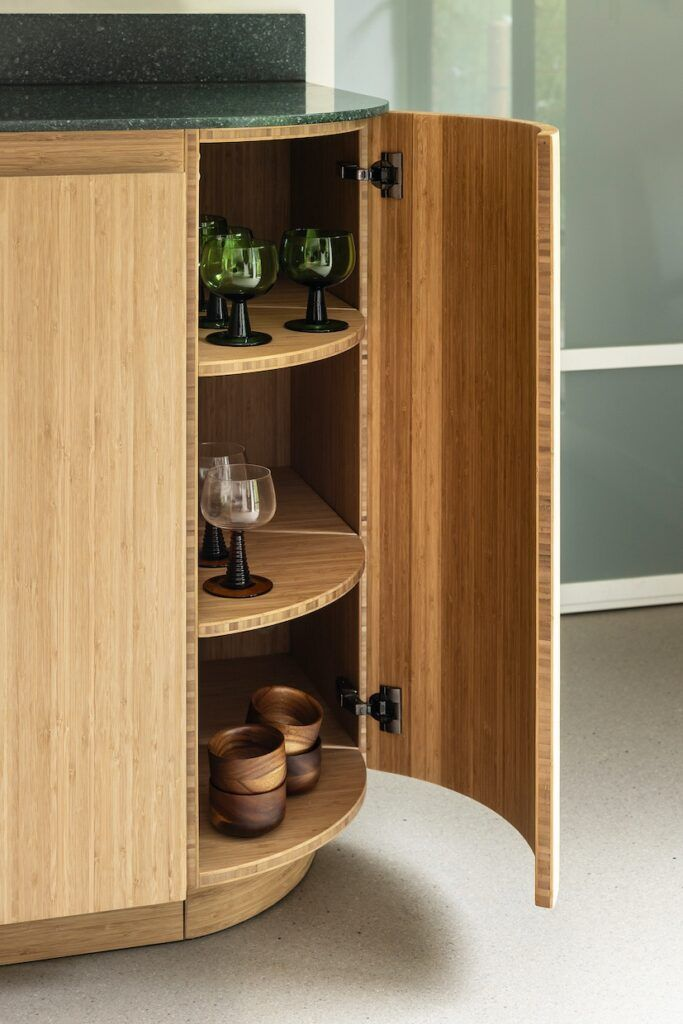
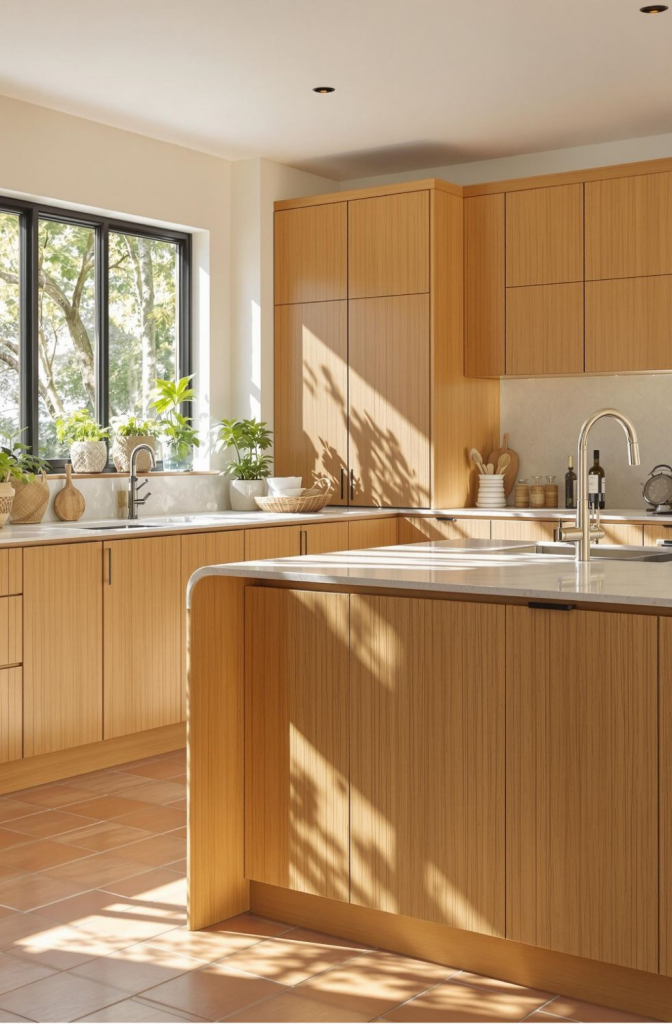
Having risen in popularity over recent decades, engineered bamboo is fast becoming a top choice as a sustainable wood replacement. Technically a grass, bamboo is fast-growing and easily regenerative. Making appearances as cabinetry, decking, and even benchtops, bamboo is not only versatile, but also highly durable thanks to its multiple laminated layers of strips. The downsides are its higher cost and need for sealing. Also, exposure to sunlight and heat, plus natural aging can cause its colour to change over time.
Reclaimed Wood
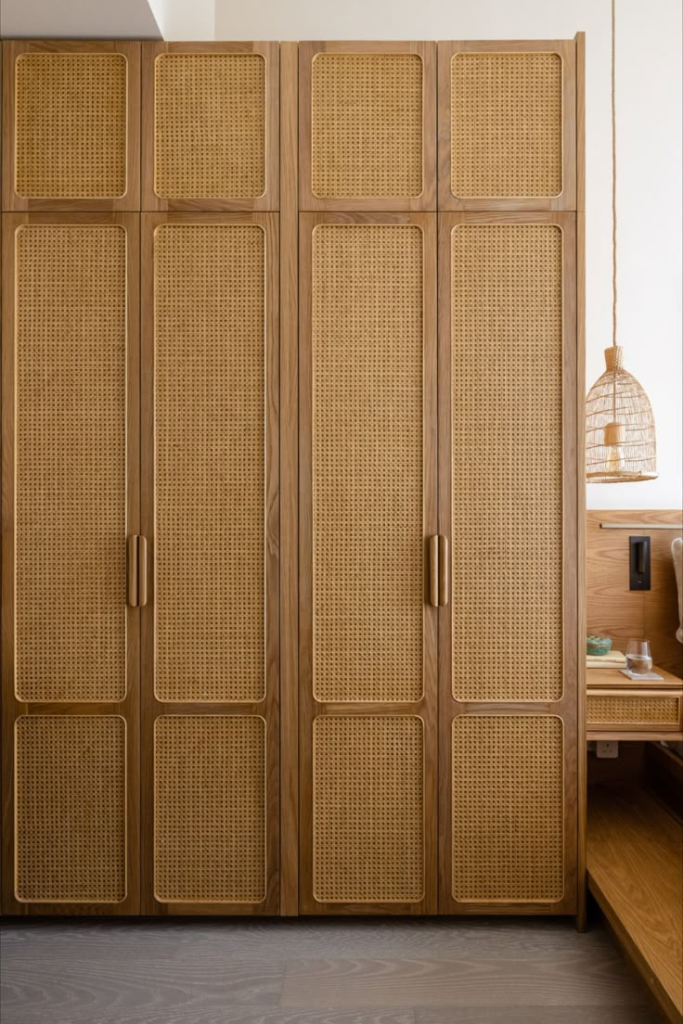
Salvaged and reused without breaking it down, reclaimed wood is often claimed from old structures and repurposed. It’s used more or less in its original form, which comes with numerous benefits. These include keeping its original looks, retaining its natural patina, and inheriting the history carried by the piece. When it comes to sustainability, few options can come close: reclaimed wood is simply reusing what already exists, rather than consuming energy to create something new. For making something with a certain rustic charm while championing the environment, there’s no better option.


Low-VOC finishes
With many wood products in need of sealing for proper waterproofing and sustained durability, choosing a finish with low-VOC is an eco-friendly alternative. VOC stands for Volatile Organic Compounds, which create pungent-smelling finishes that release more harmful chemicals. Low-VOC or no-VOC finishes (paints, varnishes, sealants) often use a water base for reduced odour and fumes. The downsides of low-VOC are that they usually cost more and the application may not be as smooth.
Transport Emissions
Since New Zealand is not the only country actively pursuing environmentally friendly products, many international names offer sustainable materials created through eco-friendly processes. While they may offer production advantages compared to local materials, you should also consider the cost of transportation – not in terms of the shipping fee, but with the emissions and carbon footprint produced. Consider locally-made materials to keep emissions down. Even non-biodegradable materials such as MDF offer improved sustainability vs hardwood and are produced with increasingly sustainable methods.
Eco-Friendly Hardware
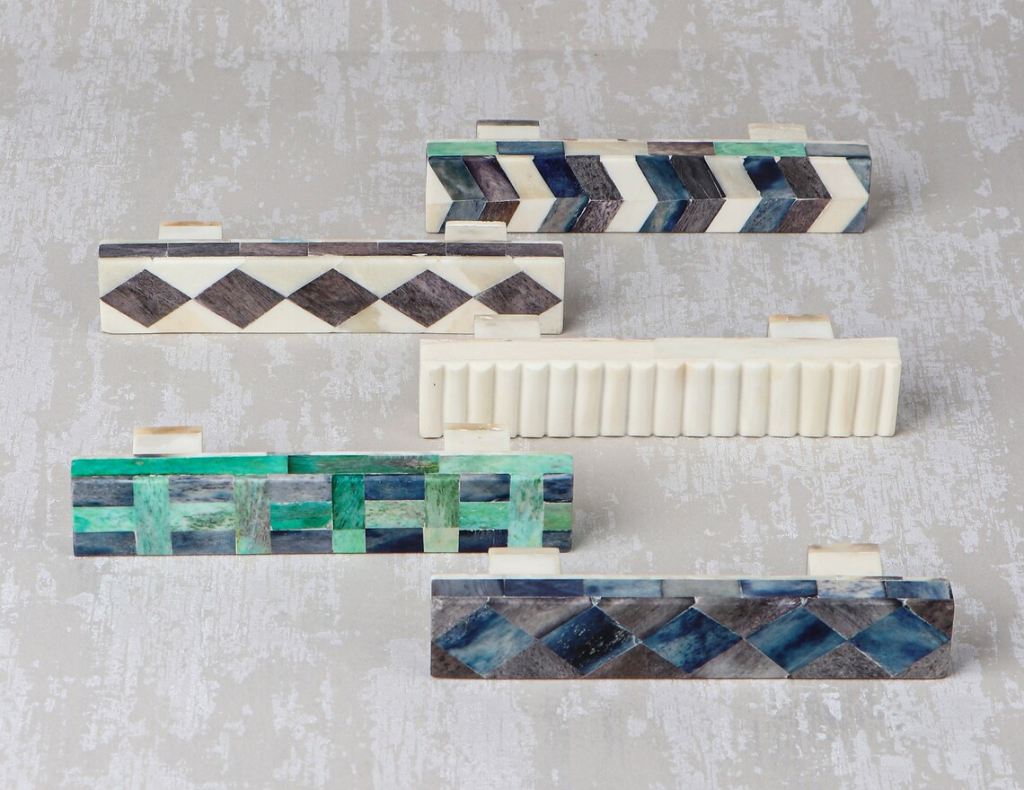
Even when accessorising your cabinets, there are environmentally friendly options. When picking your handles, for example, you can choose those made with reclaimed wood or recycled metals. Bamboo is again a good choice here. If it’s ornamentation you’re after, you’d be surprised with what you can find in local flea markets and op shops. Lastly, since modern kitchens are all about lighting, going with LEDs is more energy efficient, reducing both costs and extending its lifespan.
There are many ways to source environmentally-sound cabinetry, with the best methods being choosing bamboo and reclaimed materials. For sealants and paint, choosing low-VOC solutions is great for a less invasive option. Whether you’re looking to build new cabinets or accessorise the ones you have, there are always options to help the planet and look good while doing so.
Sources:
Sustainability in Cabinetry: Finding the Right Balance | Carlielle Kitchens
Cabinetry for Sustainable Homes: What Builders Should Always Include