
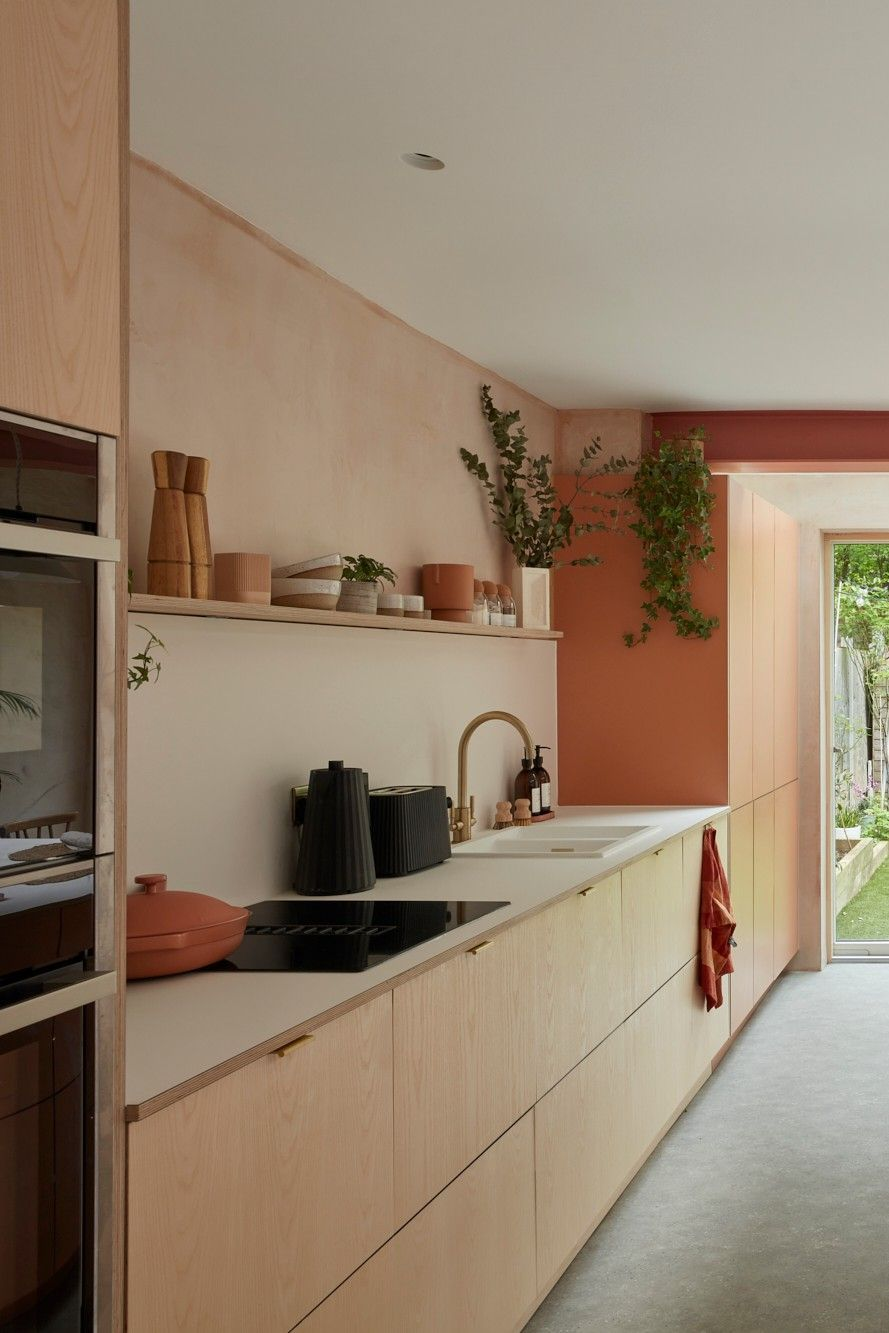
When planning a kitchen or renovation, one of the biggest decisions sits behind the doors: what your cabinets are actually made from. Each material has its own strengths, limitations, and ideal use cases. The right choice depends on your budget, lifestyle, design goals, and how the space will be used day to day.
Below is a clear breakdown of the most common cabinet materials used in New Zealand homes.
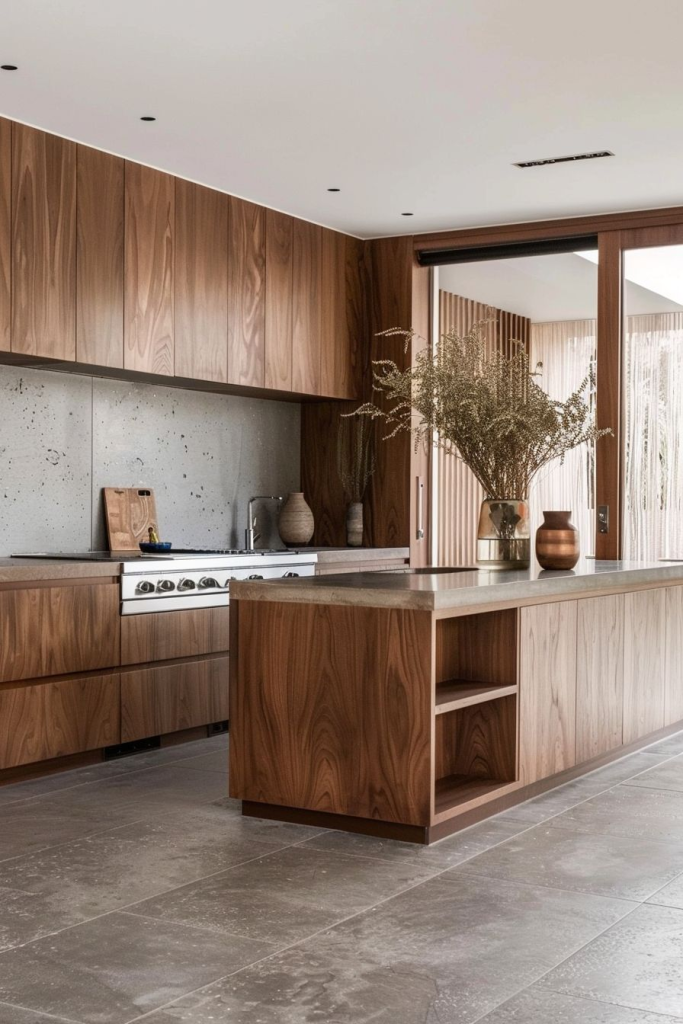
1. Solid Wood
Solid timber cabinets are made from natural wood boards, offering a timeless and authentic appearance. Popular species such as kauri, matai, jarrah, and oak each bring unique grain patterns and tones, meaning no two kitchens will look exactly the same.
Advantages
- Long-lasting and structurally strong
- Natural beauty that ages well
- Good acoustic qualities
Disadvantages
- Sensitive to humidity and temperature changes
- Can expand, contract, or crack if not properly treated
- Typically higher cost due to craftsmanship
Ideal for:
Homeowners who value natural character and are willing to invest in a classic, durable look.
Pro Tip:
Ensure timber is correctly sealed and installed with allowance for movement. Wood species selection matters — some are more stable than others in changing climates.
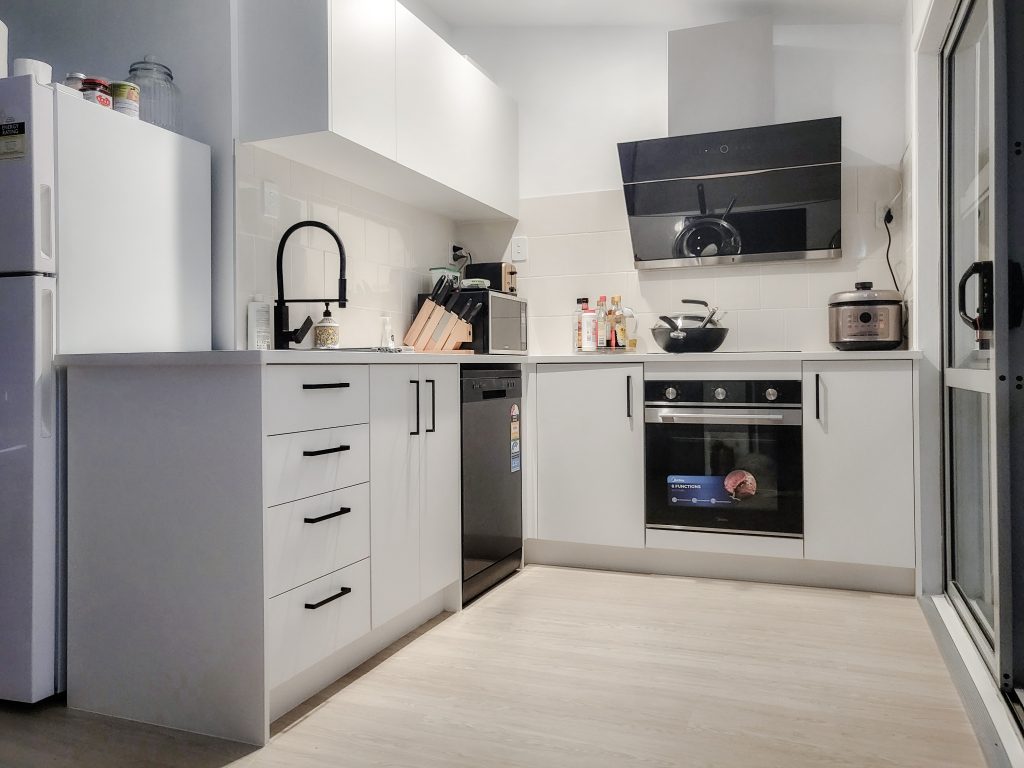
2. Medium-Density Fibreboard (MDF)
MDF is an engineered wood product created by compressing fine wood fibres with resin under high heat and pressure. It provides a smooth, consistent surface, making it a popular choice for painted cabinetry.
Advantages
- Smooth finish ideal for paint
- Cost-effective compared to solid wood
- Stable and uniform surface
Disadvantages
- Can be moisture-sensitive if not sealed properly
- Not as structurally strong as plywood or solid timber
Ideal for:
Homes seeking a clean, modern, painted finish at a practical price point.
Pro Tip:
Use moisture-resistant MDF in kitchens and laundries, and ensure edges are well sealed to prevent swelling over time.
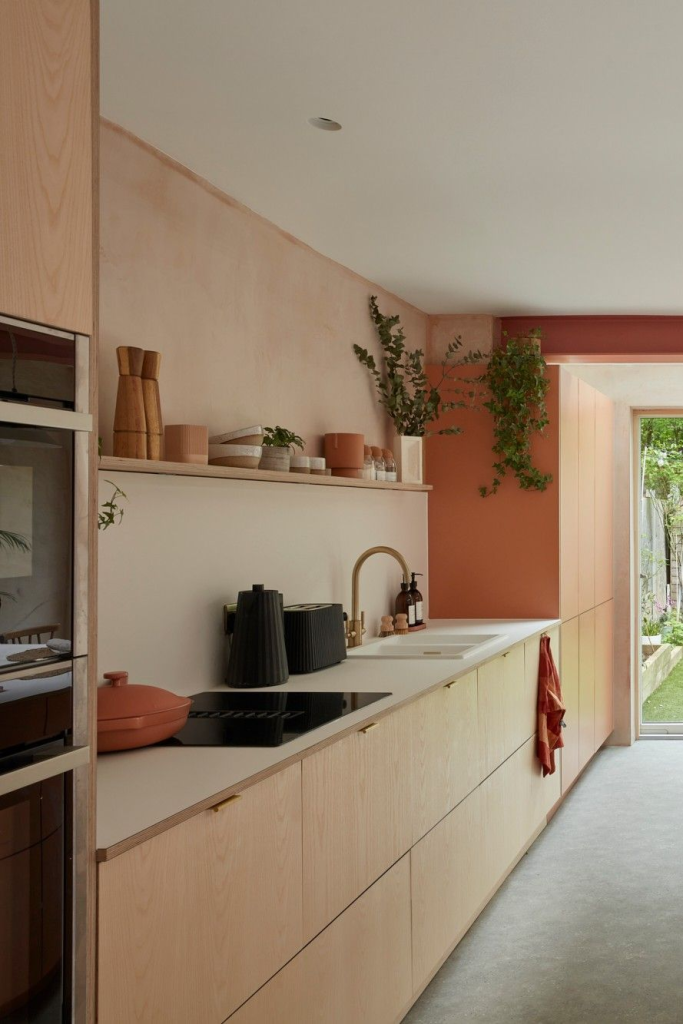
3. Plywood
Plywood is made by layering thin sheets of timber veneer, glued together with alternating grain directions. This cross-layer construction gives it strength and stability.
Advantages
- Strong and lightweight
- Better moisture resistance than standard MDF or particleboard
- Holds screws and hardware securely
Disadvantages
- More expensive than MDF or particleboard
- Exposed edges may require finishing for a refined look
Ideal for:
Homeowners wanting a balance between durability and performance, especially in high-use kitchens.
Pro Tip:
Choose high-grade plywood for cabinetry to ensure consistency and minimise internal voids.
4. Particleboard
Particleboard is manufactured from wood chips and resin pressed into sheets. It is commonly used in budget-friendly cabinetry.
Advantages
- Affordable
- Widely available
- Suitable for low-load applications
Disadvantages
- Lower structural strength
- More vulnerable to moisture damage
- Shorter lifespan compared to other materials
Ideal for:
Projects with tight budgets or low-demand spaces where long-term heavy use is not expected.
Pro Tip:
If using particleboard, ensure proper sealing and avoid high-moisture environments unless specifically moisture-resistant grades are selected.
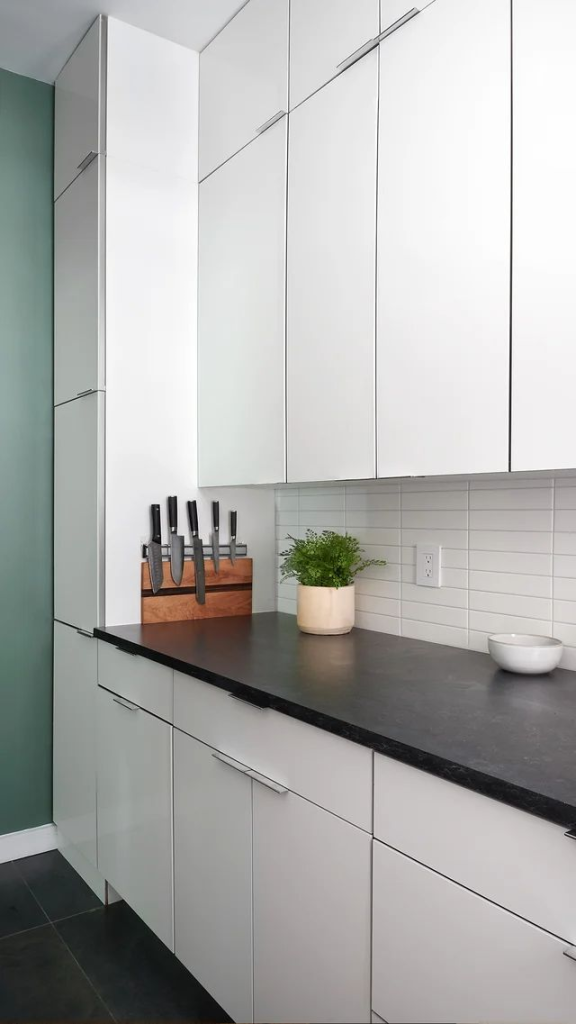
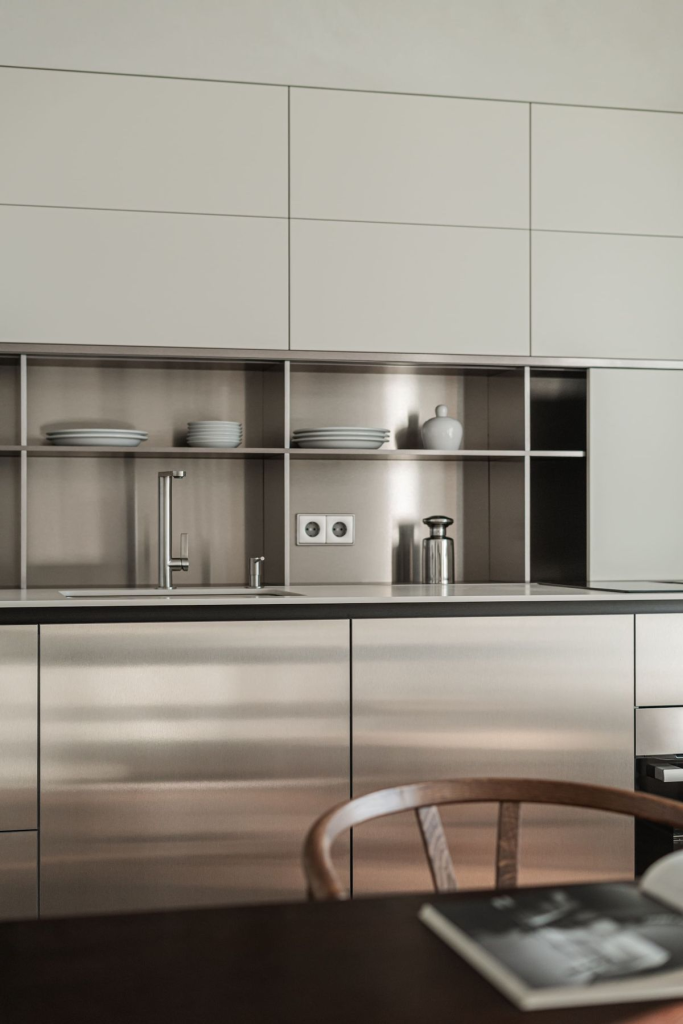
5. Stainless Steel
Stainless steel cabinetry is widely used in commercial kitchens for its durability and hygiene. It has also gained popularity in modern residential designs.
Advantages
- Highly hygienic and easy to clean
- Resistant to heat and moisture
- Contemporary, industrial appearance
Disadvantages
- Shows fingerprints easily
- Can create glare under certain lighting conditions
Ideal for:
Minimalist or industrial-style homes seeking a sleek, professional aesthetic.
Pro Tip:
Opt for fingerprint-resistant finishes and plan lighting carefully to reduce harsh reflections.
There is no single “best” cabinet material — only the right one for your situation. Budget, lifestyle, humidity levels, design preference, and expected wear all play a role in making the right choice.
The key is selecting materials intentionally, rather than simply choosing what looks good on display.