Category: cabinet story

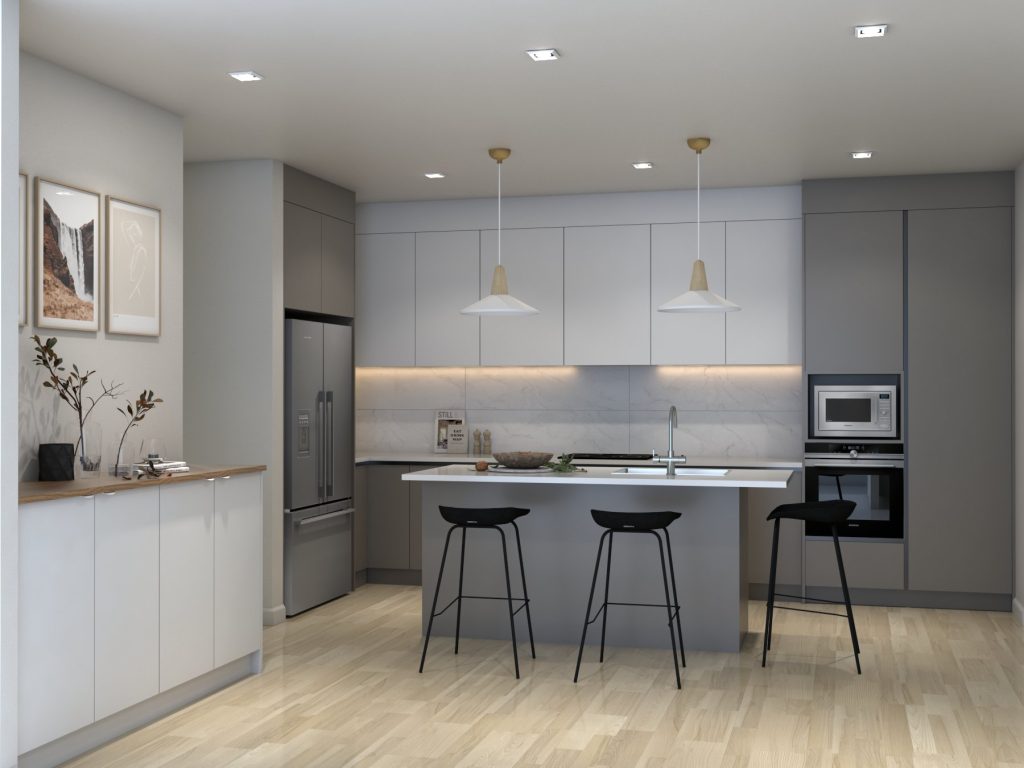
  • What Affects the Cost of a Kitchen Renovation More, Layout or Materials?

    What Affects the Cost of a Kitchen Renovation More, Layout or Materials?

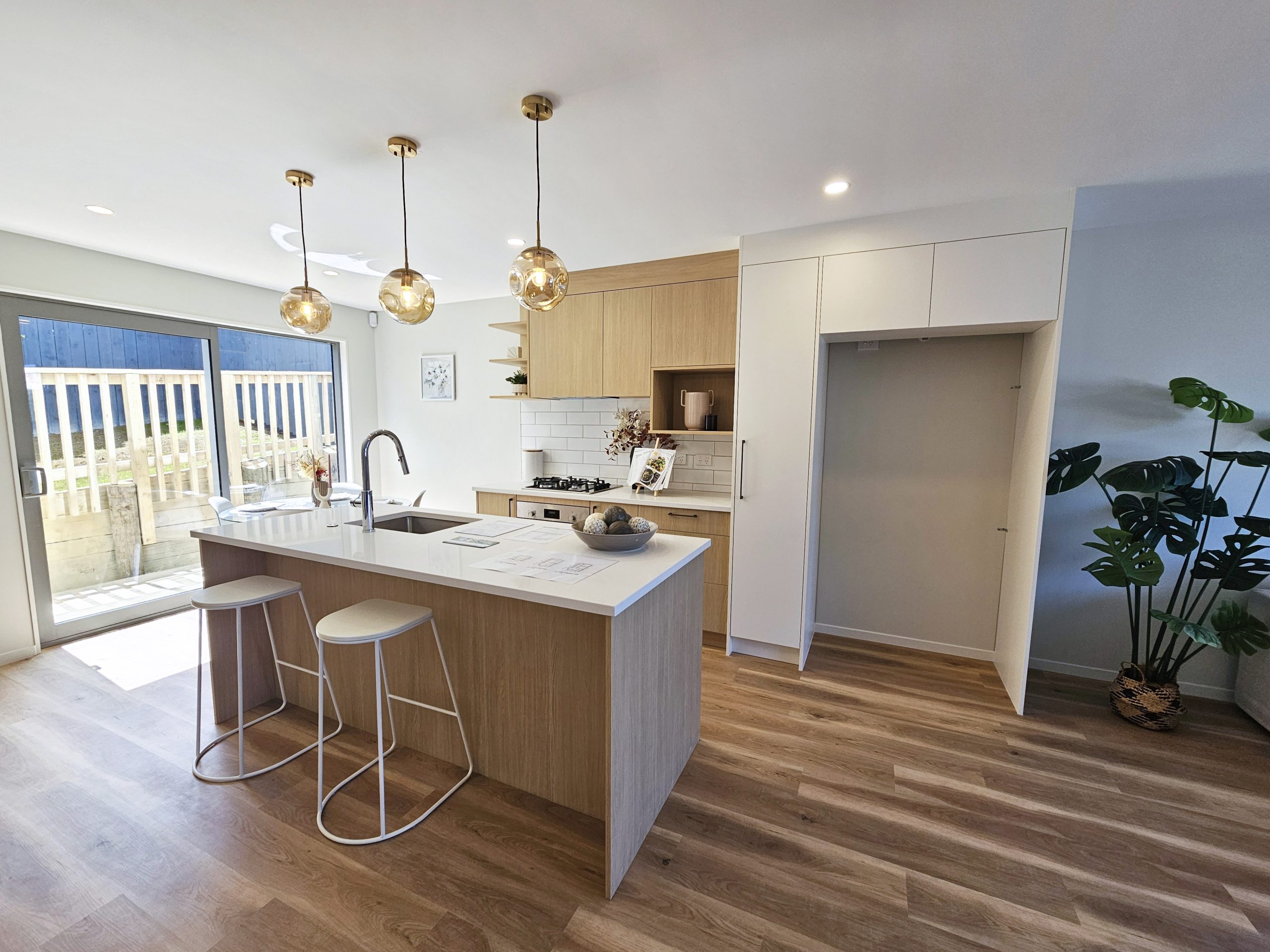
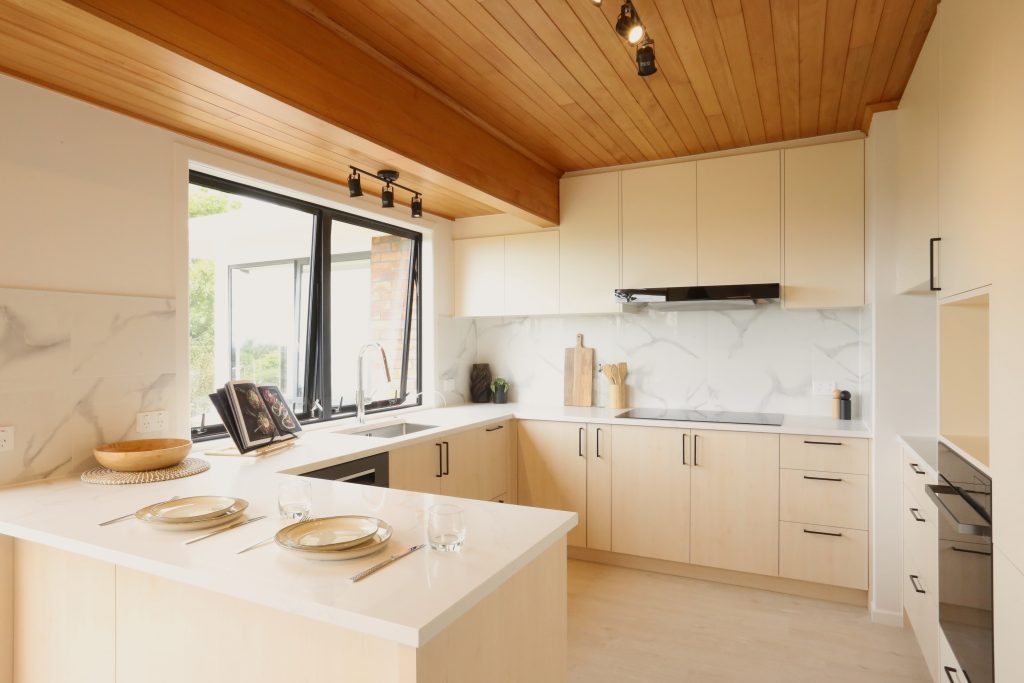
    Knowing where to invest your kitchen budget can be invaluable to both cost saving and maximising performance. Two of the most significant cost-affecting areas of a kitchen renovation are its layout and materials, but in most residential renovations, it’s the materials that tend to move the price tag more.
    So How Does Layout Affect Cost?

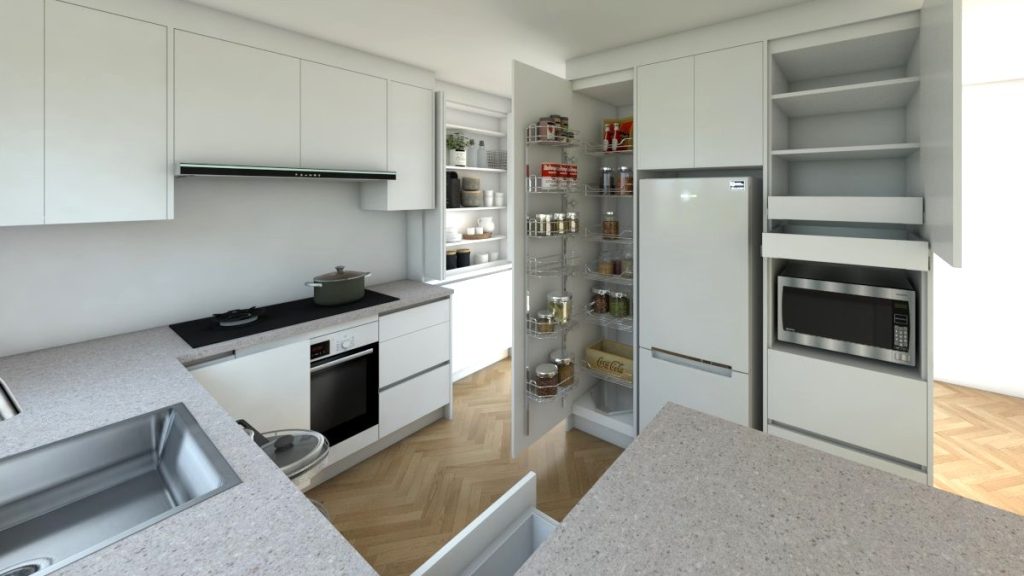
    Your kitchen’s layout defines the positioning of all your fixtures, furniture, and appliances. It dictates the ebb and flow of your kitchen, making sure that everything you need is placed smartly, efficiently, and conveniently. Typical kitchen layouts include: single wall, galley, L-shaped, U-shaped, peninsula, and island.

    The more benchtop area used, the more expensive a kitchen is typically going to be; as it doesn’t simply demand more benchtop material, but also the unit’s cabinetry and hardware.

    However, for most home renovations, layout changes alone don’t cause dramatic budget jumps. Many homeowners choose to retain their existing layout, which keeps costs manageable by avoiding plumbing or electrical rework. Even when redesigning the space, the expense of moving services or breaking walls can often be contained compared to what premium materials might cost.
    What About Materials?

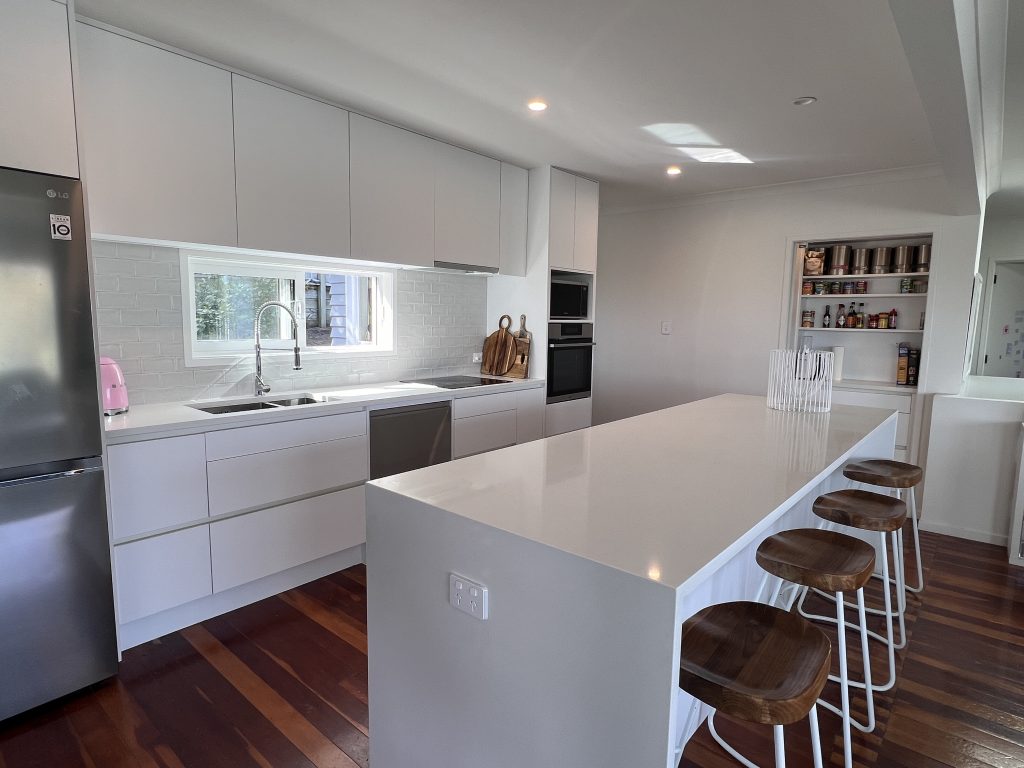
    Here’s where the numbers can really start to climb. Choosing high end materials can make even single wall layouts fetch hefty price tags. The two major areas that can eat up your budget are the benchtop and cabinetry, but smart selection and efficient planning can cut down costs while looking akin to more premium offerings. Elsewhere, the floor, splashback, and accessories can also vary in material price.

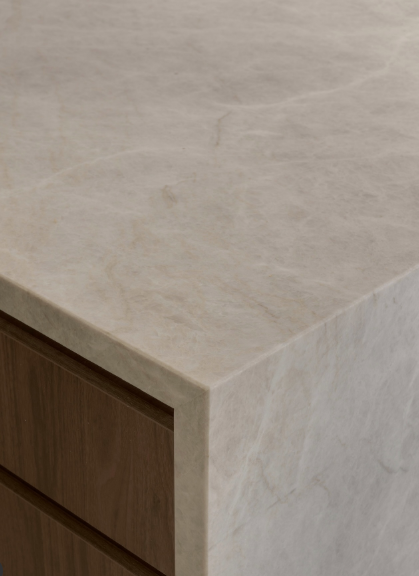
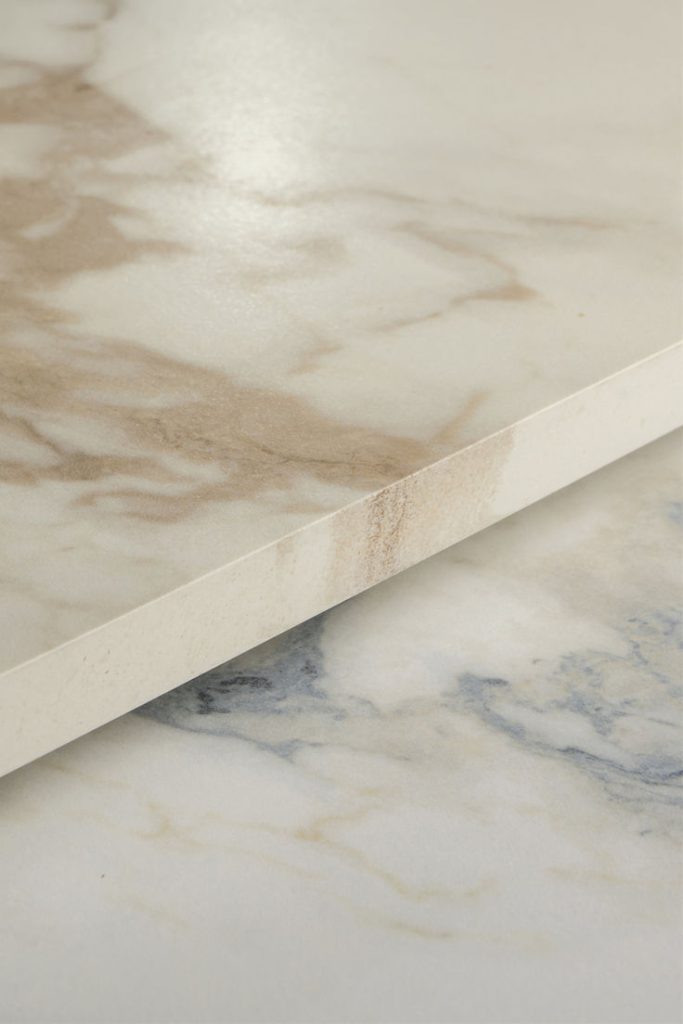
    Chiefly among renovators’ minds is the kitchen benchtop. Often seen as the centrepiece of one’s kitchen, it comes as no surprise that a hefty amount of the budget is dedicated to the bench. Laminate benchtops are the cheapest and provide excellent value for money. Engineered stone is a popular mid-range choices that may require maintenance. Porcelain and real stone, though undeniably stunning, can easily double or triple the material cost, especially in large kitchens.

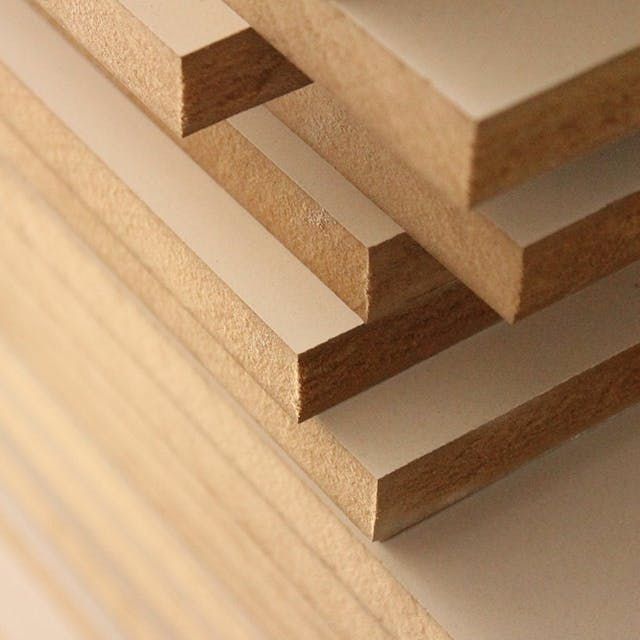
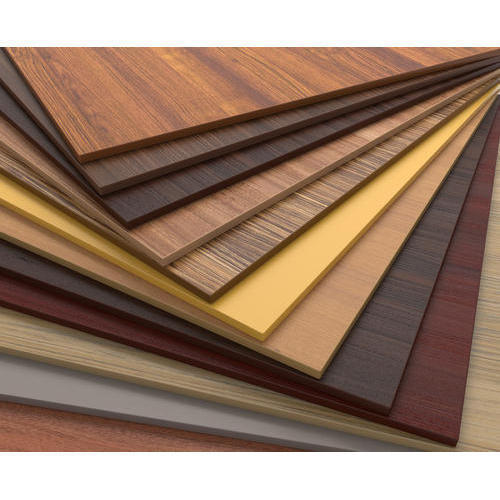
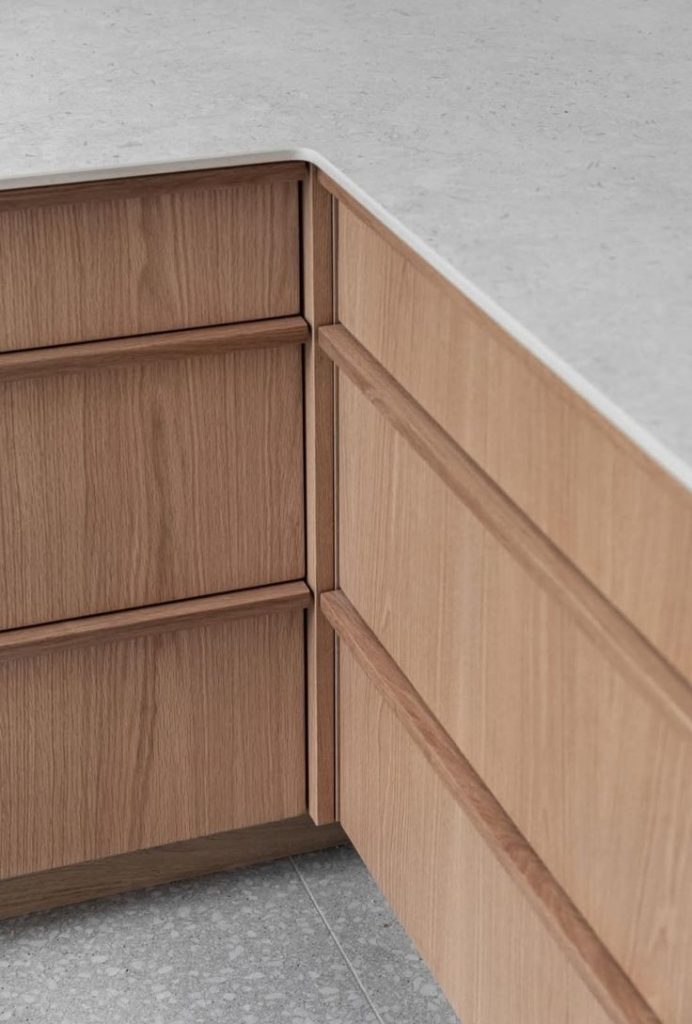
    Cabinetry also has the potential to quickly drive up costs. Here, materials typically come in the form of the core material and the finish. For the core, MDF strikes a good balance between durability, price, and finish variety. At the high-end, real wood is a pricey yet premium option. For the finish, melamine is affordable with a good range of aesthetics. A shift from white melamine to real wood veneer, for example, can dramatically elevate the look and the cost.
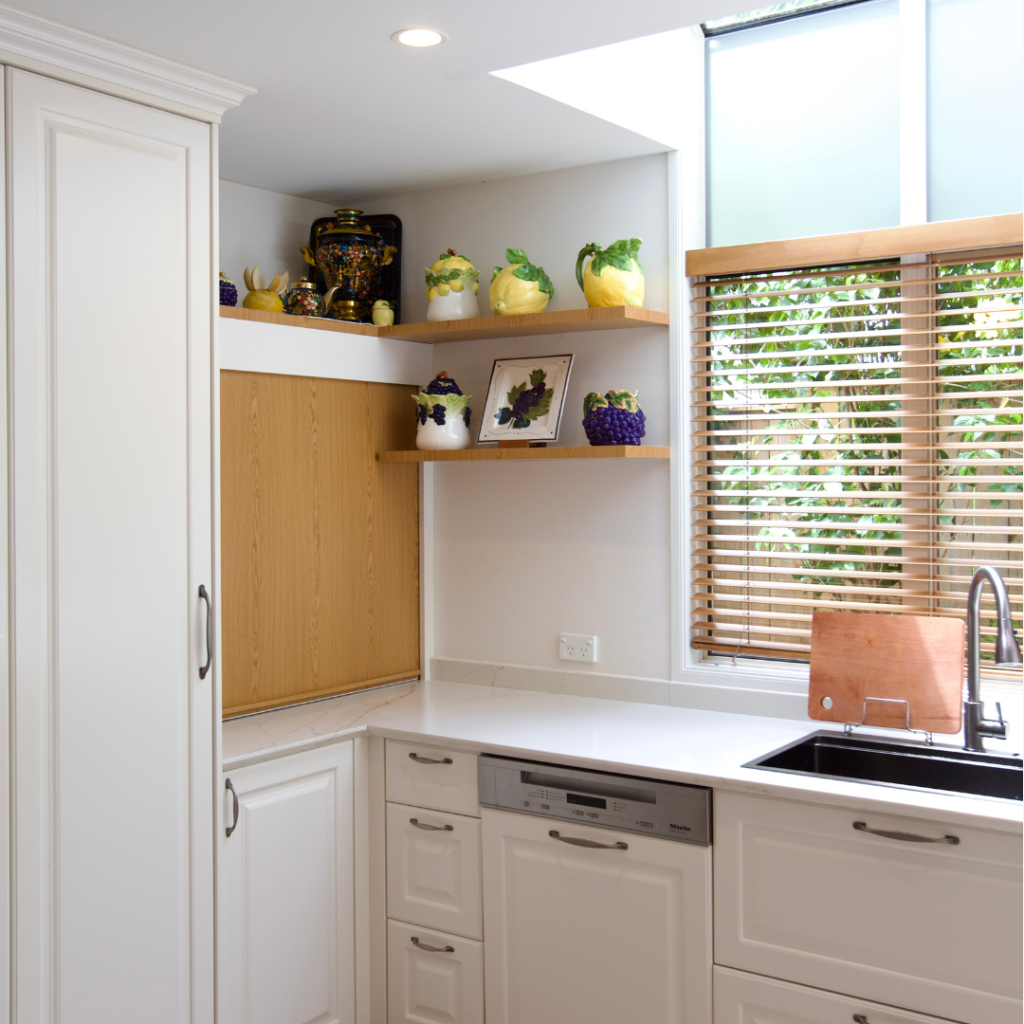
    The splashback also has a diverse number of options, with tile being the cheapest yet perhaps the most versatile. Even within tile options, price can still vary drastically depending on material. Glass, stainless steel, and engineered stone are all valid mid-range choices. Porcelain makes another appearance as an expensive choice here. Elsewhere, the little things such as handle materials and cabinet systems can slowly add to the price.
    The Verdict

    While layout changes certainly impact cost, particularly if you’re knocking down walls or moving plumbing. In most residential kitchen renovations, it’s the materials that make the bigger difference.

    A change from laminate to porcelain, or from melamine to real timber veneer, can easily outweigh the expense of reworking your layout. That said, the final cost always depends on your project’s scale, style, and priorities.

    The best approach? Start with a clear vision of what matters most, functionality, finishes, or both, and plan your renovation around that balance.
  • Saving Your Kitchen with Smart Storage

    Saving Your Kitchen with Smart Storage

    Nobody enjoys seeing bottles, boxes, and pans taking up precious benchtop space. A crowded kitchen isn’t just a practical nuisance – it can also be embarrassing when hosting guests. If you’ve fallen victim to loss of space – fear not! In 2025, it’s easier than ever to find advanced, yet affordable solutions to tackle clutter and tidy your kitchen to make it good as new.

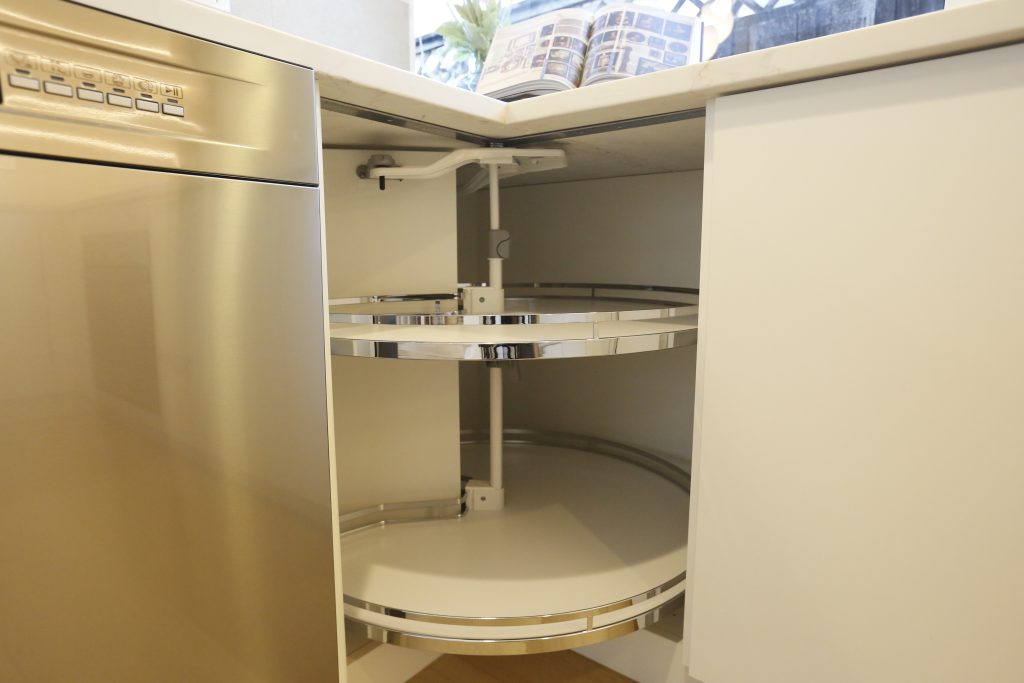
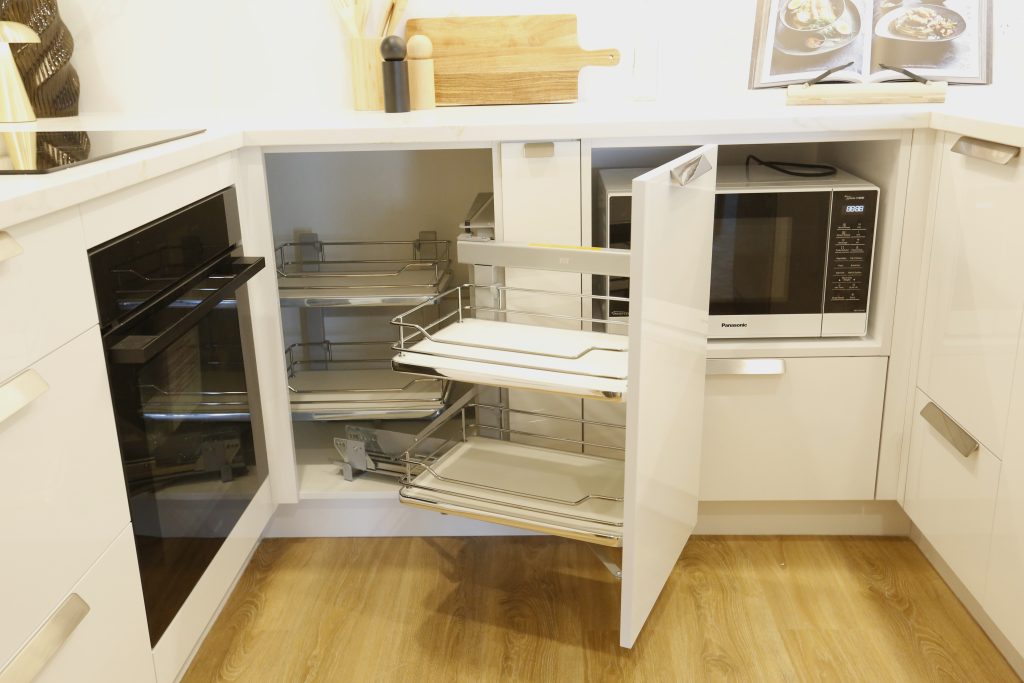
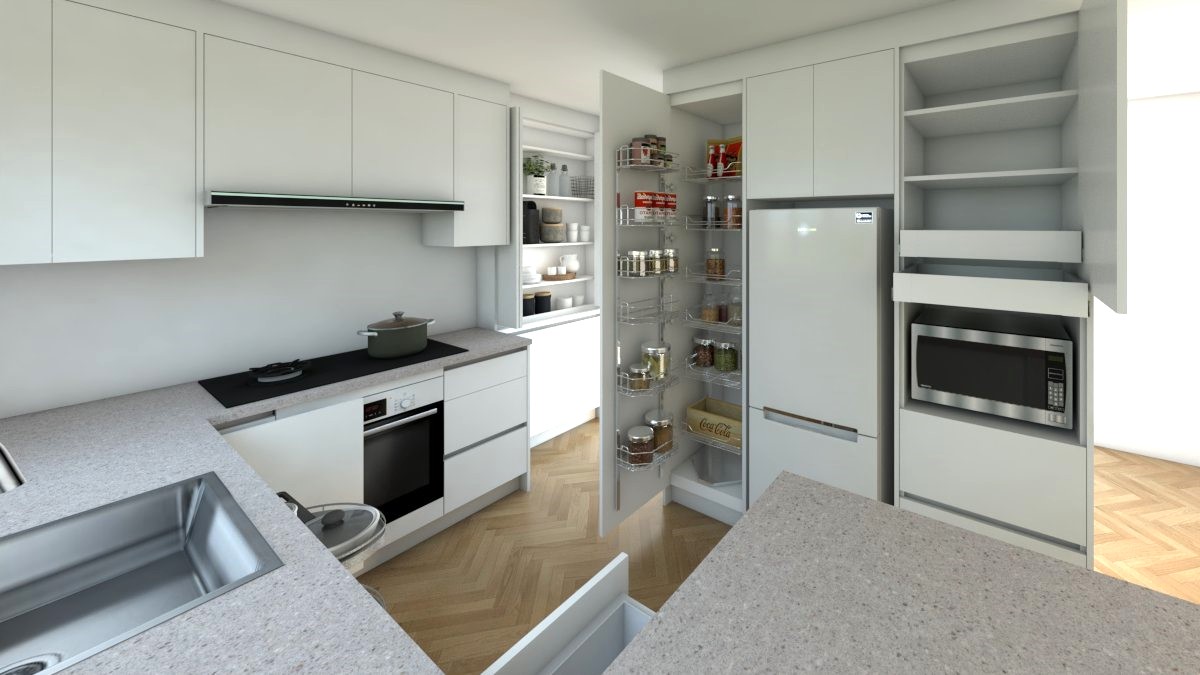
    Over time, you may have experienced seeing less of your benchtop and more of your sundry kitchen goods. Gradual mess can become the bane of a kitchen’s existence, but kitchen planning and storage solutions can handily remedy that. Cabinet tech has been one of those silent innovators that have evolved quicker than people may realise. It used to be that going custom was the only way to get pull-out pantries, hidden bins, and intricate corner systems. Today, these capable kitchen add-ons are available from numerous retail and hardware stores, thanks to advances in materials, manufacturing, and global supply chains.

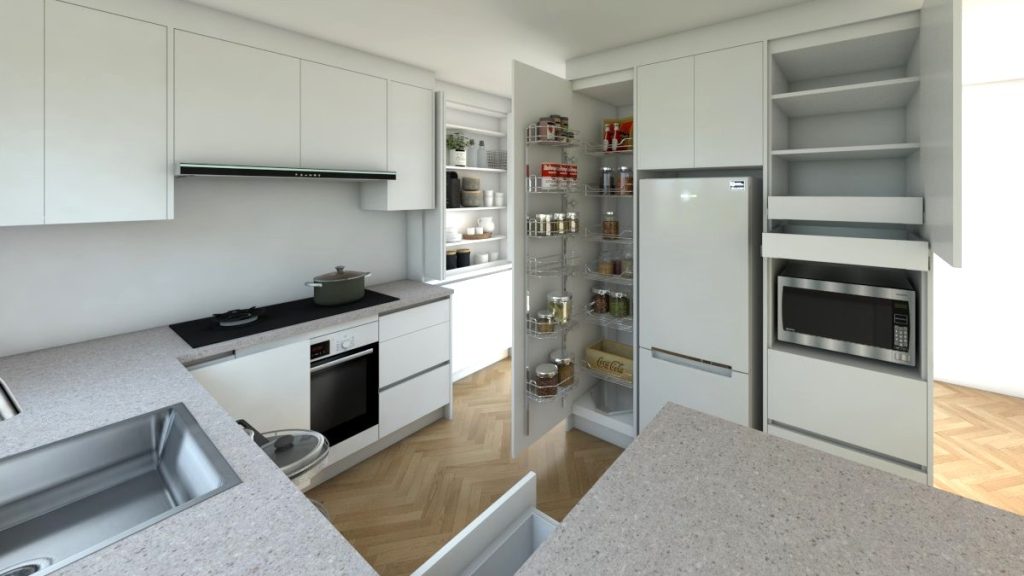
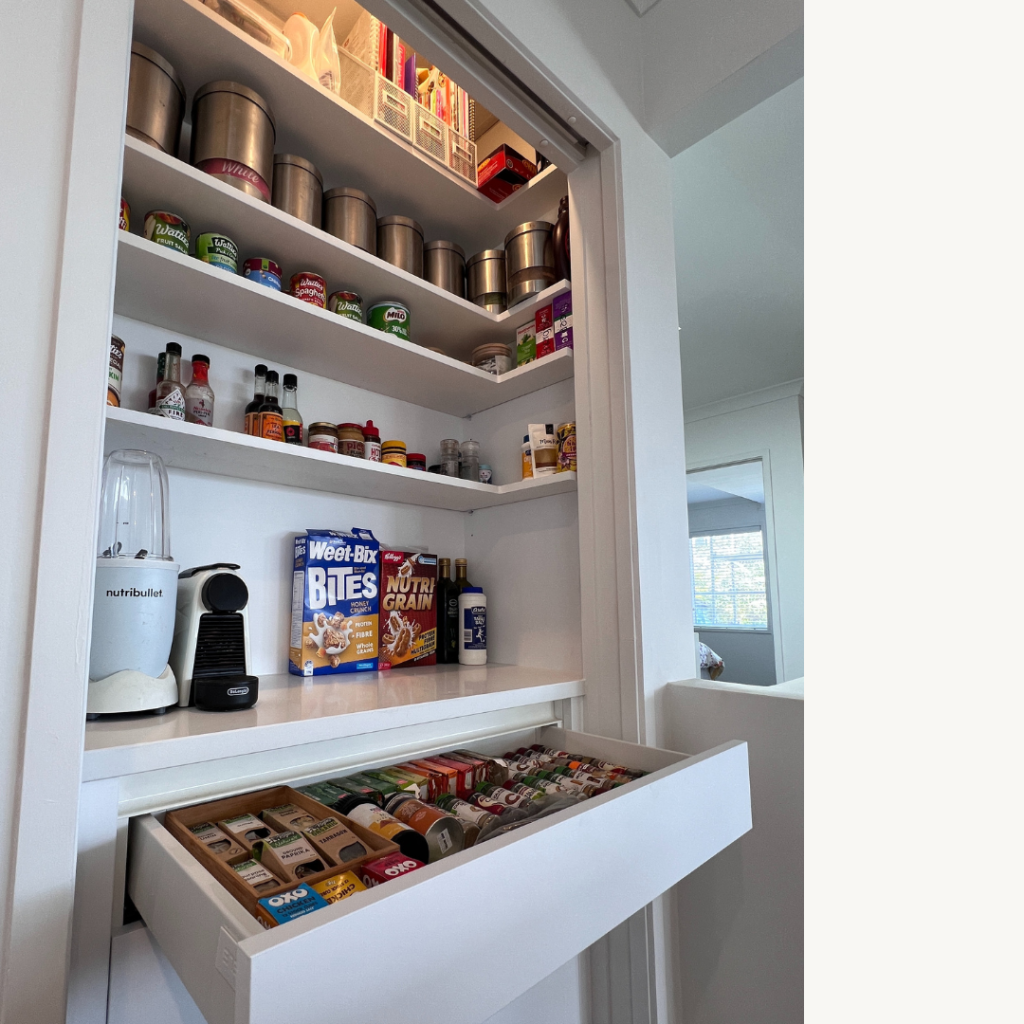
    One of the biggest misconceptions about amassing storage space is that it’s all about having as many cabinets as possible. In truth, it’s all about making the space you have work for you, and using it as efficiently as possible. Now, pull-out pantries, integrated bins, and modular shelving are all easy to obtain and install, providing multiple levels, divisions, and angles of access.

    BoxMakers have worked with trusted brands such as Häfele, Fit, Blum, Enko, and more to deliver high quality kitchen solutions that look good, feel good, and have plenty of room for everything. Cabinets and drawers can all be upgraded with smooth operation mechanisms such as soft-close hinges and runners, and modern corner units can feature revolving shelves, multi-level operation, and advanced retraction mechanisms.

    Using smart storage isn’t just efficient – it’s trendy. Pulling out your pantry solutions is a fast way to impress guests and retrieve kitchen essentials, all without obscuring your benchtop. You already have the space – now make the most of it.


    Resources: https://linkmix.co/45465289

  • Dos and Don’ts of Cabinet Maintenance

    Dos and Don’ts of Cabinet Maintenance

    Whether you’ve just finished installing a set of brand-new cabinetry or are looking to maintain longevity for your current set, it’s always better to know best practices for keeping them pristine.

    Wet Storage

    Don’t: use your cabinets to store dripping wet plates, cloths, or towels. You can’t count on evaporation alone to save your cabinets from waterlogged materials. Drenched cloths can seep water into corners and cracks, bloating and damaging your cabinetry.

    Do: wring out and dry your rags before storage. Not only does this make for more pleasant viewing, but it’s a smart practice to ensure ready cloths for next use. More importantly, this prevents moisture ingress into your cabinetry.

    Chemicals

    Don’t: use harsh chemicals or strong solvents. Chemicals such as bleach or ammonia are dangerous to cabinet finishes, and can take the glisten away from your handles. Ingress can harm the core material as well.

    Do: investigate your cabinet. Cabinetry can come in a broad range of materials and finishes. Find out what it’s made of and use their recommended cleaning method. Otherwise, a mild, non-abrasive cleaner will do just fine.

    Cleaning

    Don’t: use brushes or scrubbers that have thick, abrasive heads. Strong bristles can lead to scratches and damage to the finish, which in turn, acts as a catalyst for moisture damage.

    Do: use cloths in a gentle and circular motion. Combined with a gentle cleaning solution, this method should pick up dirt and clean away stains.

    Cabinet Liners

    Don’t: forego cabinet liners in high-risk areas just because they clash with the look and feel of your kitchen. Scratches and spills that would have otherwise damaged your cabinet can be mitigated with liners.

    Do: apply cabinet liners in kitchens and laundry rooms. Wherever you typically find cooking products, chemicals, or sundry objects like stationery, cabinet liners act as an extra layer of defence against unwanted damage.

    Hinges

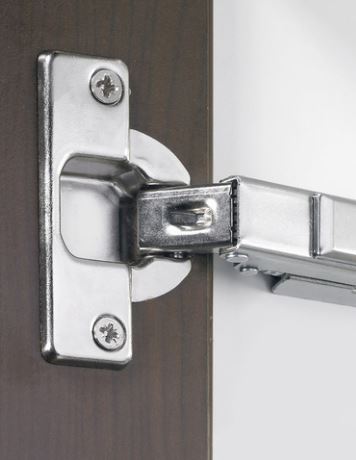
    Don’t: neglect your cabinet’s hinges when cleaning. Hinges are a core component of your cabinets and ensure smooth operation.

    Do: give your hinges special attention. Instead of wiping them down like you would your cabinet, clean away dust and debris. Check if they need greasing and oil with lubricant if needed.

    To clean like a pro, treat each material differently and use gentle solutions that won’t damage the surface. A mild soap and warm water, or a dedicated cabinet cleaning solution is ideal. Knowing your cabinets’ materials and cleaning accordingly can save you a lot of stress and work.


    Source:

    https://www.thekitchn.com/kitchen-cabinet-cleaning-mistakes-23591076

    https://nz.pinterest.com/pin/985231164317580/

  • 5 Forms of Kitchen Lighting and How They Enhance Your Space

    5 Forms of Kitchen Lighting and How They Enhance Your Space

    It comes as no surprise that the kitchen sports incredible potential for diverse lighting arrangements. Often the centrepiece of one’s home, it’s vital to get the right lighting setup if you want to make the most of your kitchen.

    Each piece contributes to layered lighting through a trinity of purposes: ambient, task, and accent. Ambient lighting provides general light, task lighting provides more focused light for particular roles, while accent lighting highlights details and adds drama. Here are five popular kitchen lighting fixtures, and how they contribute to your kitchen.

    Pendant Lights

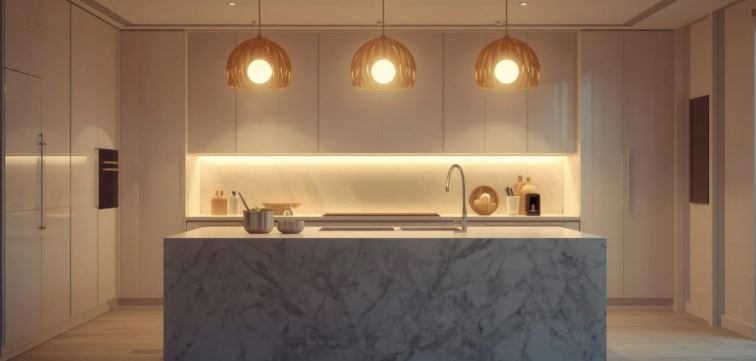
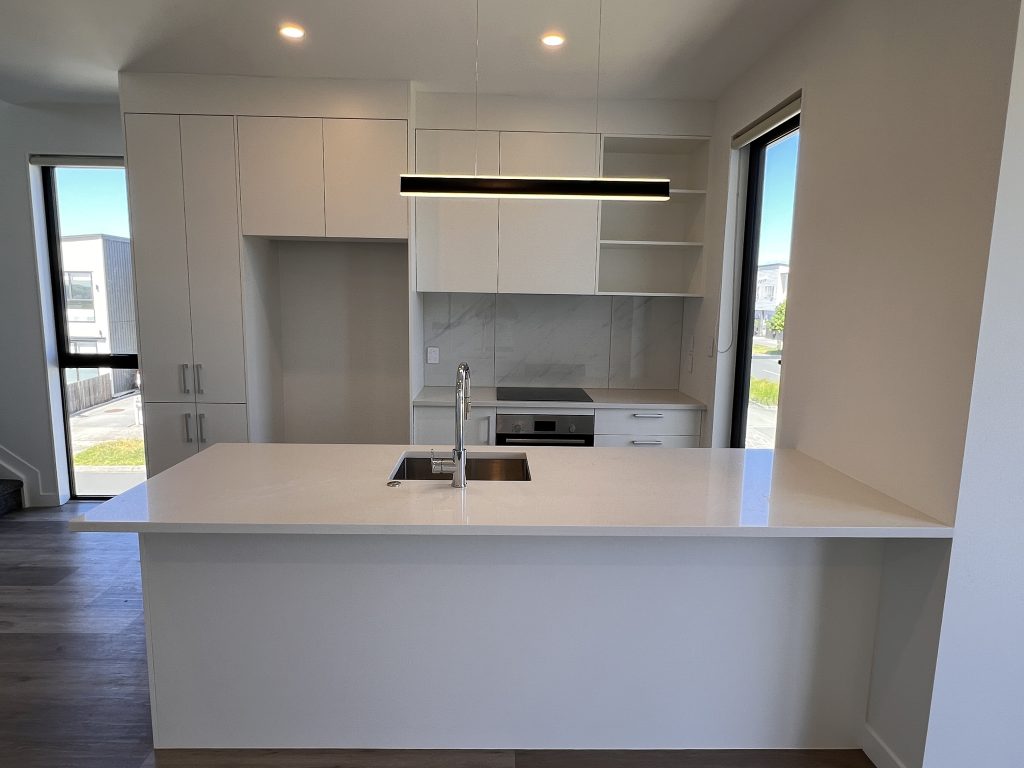
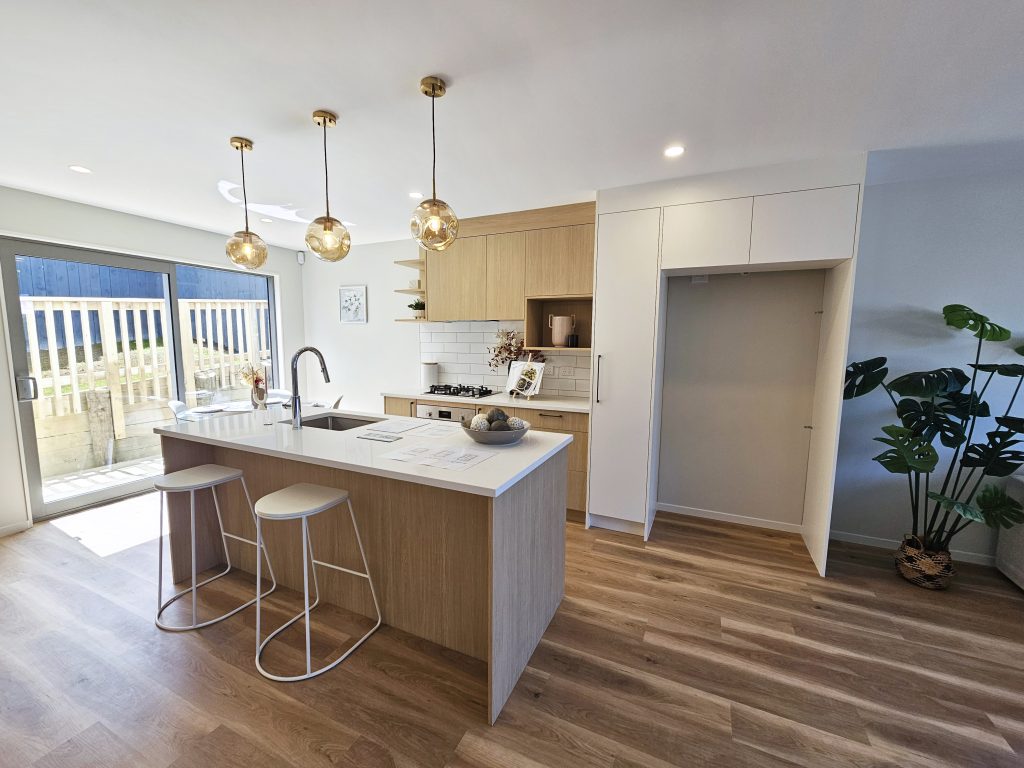
    Typically hung over islands or dining areas, pendant lights provide both accent and task lighting. Perhaps the most eye-catching form of kitchen lighting as the focus isn’t just the light itself but the fixture in which they reside. They can come in any form: from simple bulbs and globes to intricate crystal arrangements and stylised clusters that are more akin to chandeliers.

    Toe Kick Lights

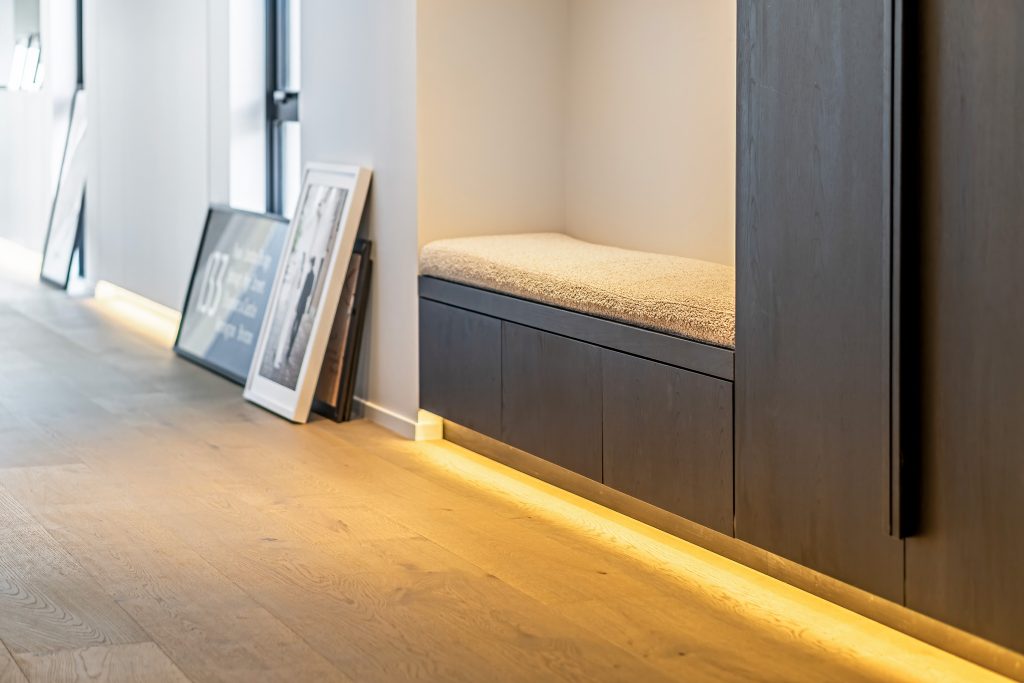
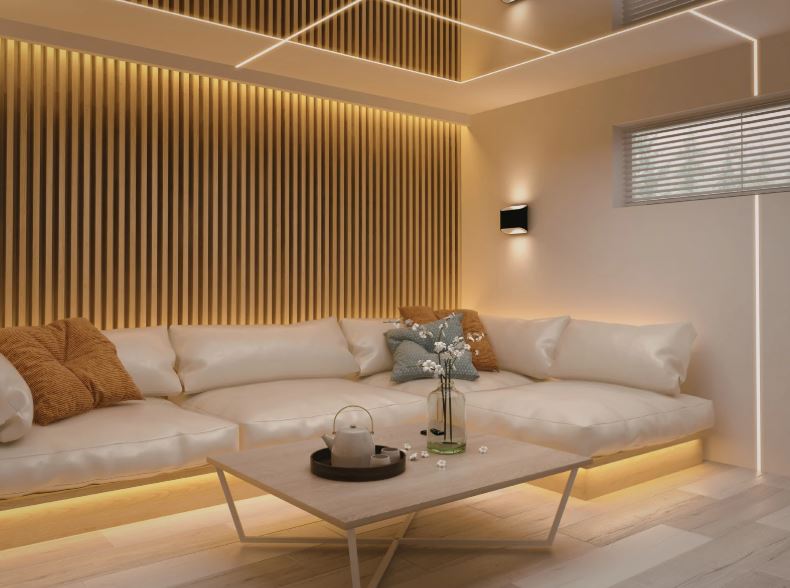
    Installed at the base of cabinets, toe kick lights highlight the profile of your cabinets and provide nuanced illumination in dark environments. An elegant form of accent lighting, it provides a subtle complement of light that doubles as a navigational aid while also adding drama and complexity to your cabinets.

    Under Cabinet

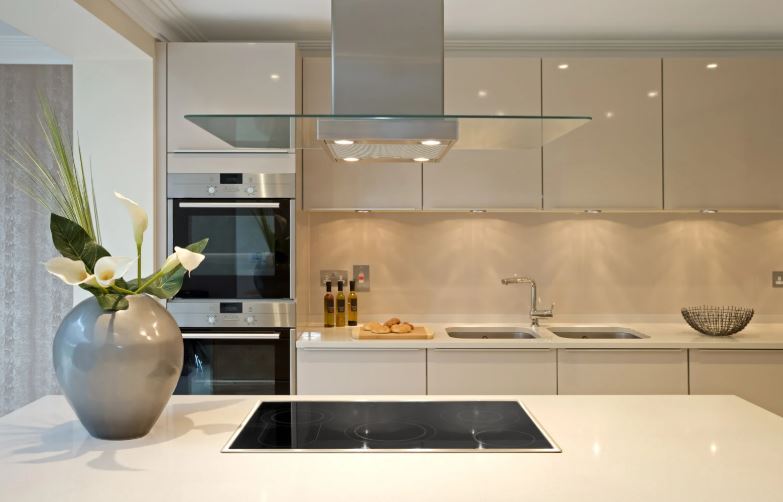
    Mounted just under overhead cabinets, these provide lighting for your benchtops and workspaces – a convenient form of task lighting. Under-cabinet lights are ideal for food preparation work and often work well independent of general ambient lighting. Another effect of this lighting is that is highlights your benchtops and splashback, which is perfect for showing off gorgeous arrangements,

    Recessed Lighting

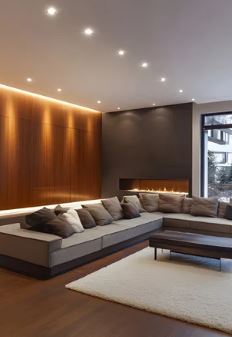
    One of the many forms ambient lighting can manifest in a kitchen, recessed lighting resides within the ceiling cavity itself, and offers a flush, uniform look to your ceiling. It pairs well with modern themes and low-ceiling kitchens to provide general illumination for your kitchen. A 3000K colour temperature is typical for a warm and inviting kitchen.

    Cabinet Interior

    Primarily serving as accent lights within glass cabinets, these inner-cabinet fixtures can come in a surprising number of forms. From LED strips, to puck lights, to mini spotlights and more, this diverse genre of decorative lighting serves perfectly to accentuate and highlight your displays.

    Whether you’re after bold new pendant lights or practical and reliable ceiling lights, find the perfect balance between ambient, task, and accent for a smart, layered kitchen.

  • Acoustic Solutions for Busy Urban Homes

    Acoustic Solutions for Busy Urban Homes

    Picture a lazy Sunday afternoon in your favourite chair, looking forward to a good book, when all of a sudden, your neighbours raise a raucous party across the street. Nobody wants unwanted noise entering their home. Find out the best solutions for warding away unsolicited noise.


    Windows & Doors

    By double, or even triple-glazing your windows, not only do you get superior thermal and energy performance, but you also benefit from a strong sound barrier. This works remarkably well against streetside noise. The cavity between panes plays a pivotal role in dampening sound transmission. For doors, choosing a dense, solid core material is excellent for alleviating aural assault. Materials such as particleboard or MDF are a common core material, typically paired with a plywood or MDF outer layer. Rubber or foam stripping can seal the gaps for further noise dampening.

    Curtains

    For optimal acoustic performance, thick, dense, and large curtains are your best bet. Velvet, wool, and heavy linen are perfect for hampering noise. Blackout curtains perform well too, as a thick constitution is required for good light blocking. Consider larger sizes which extend from the ceiling to the floor.

    Gap Sealant

    Similar to typical caulk, acoustic sealants are also used for filling gaps, but their flexible composition allows them to continually block sound and vibrations instead of cracking over time. It can be applied around windows, door frames, and other openings to bolster your sonic defence.

    The opposite can be just as important too – keeping noise from escaping is vital for maintaining privacy and security. For personal conversations, balanced acoustics, and immersive movie sessions, choosing the right acoustic solutions can enhance your day-to-day lifestyle.

    Soft Furnishings

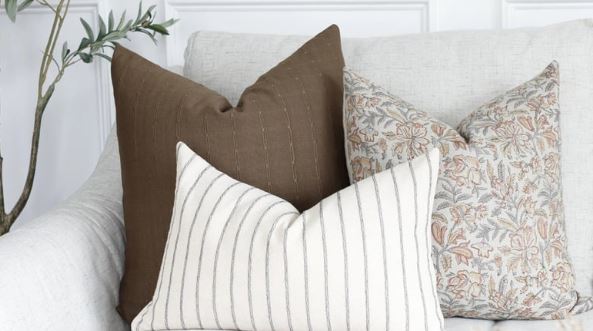
    Who said noise suppression couldn’t be fun? Take your pick of carpets, furniture, and cushions to create a sound-absorbing environment. Rugs and floor coverings can soften footfalls while velvety pieces like ottomans can catch home-wide sounds. Accessories such as plushies and cushions can balance out your environment (and look good while doing it).

    Acoustic Panels

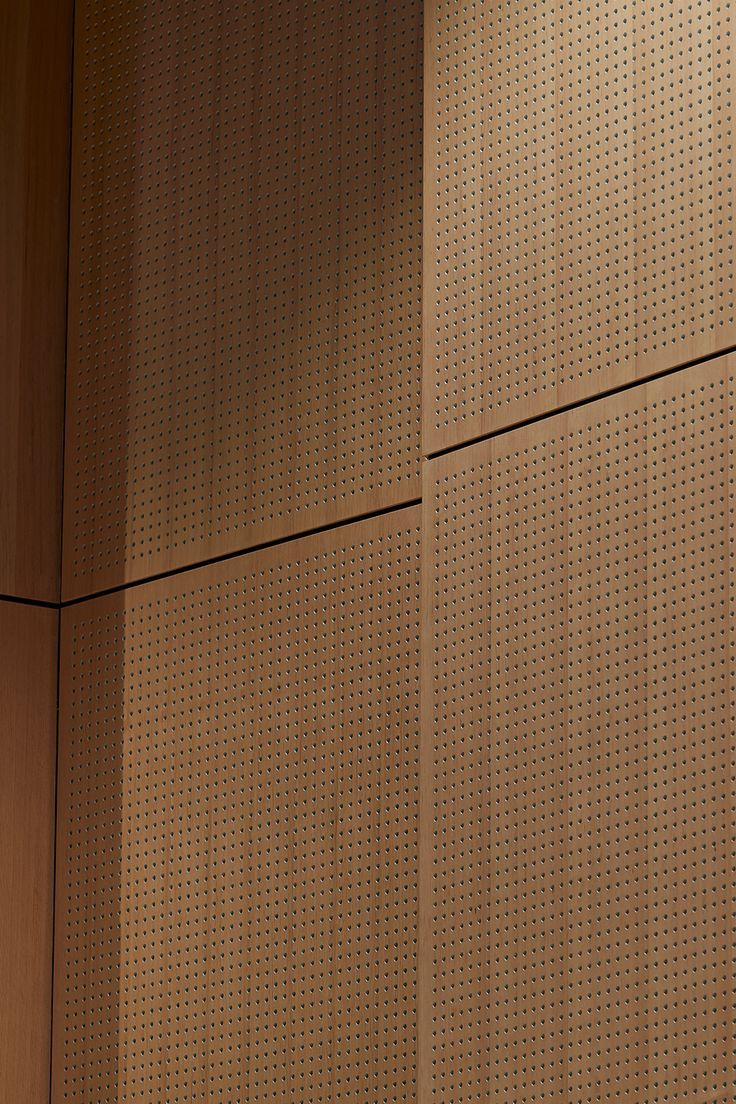
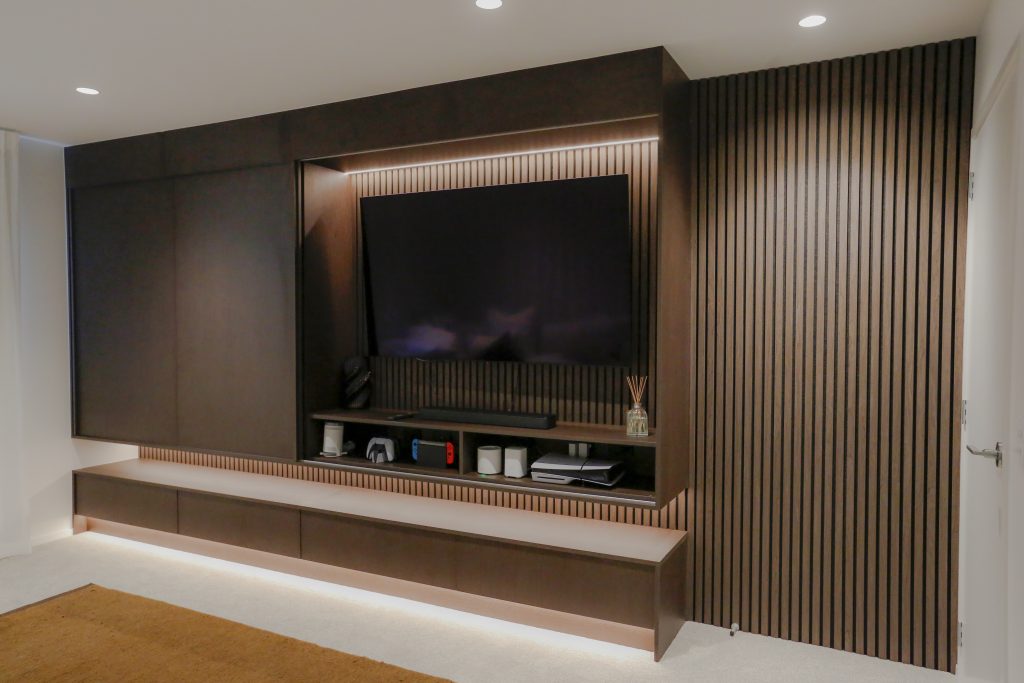
    Ubiquitously seen in recording studios, drama rooms, and behind content-creators, acoustic panels have found widespread popularity in the online landscape of today – and for good reason. Tailor-made for balancing sound, these panels are perfect for installing on hard walls and ceilings. Furthermore, you’re no longer limited to the same stripey black foam – their popularity has spurred countless materials, shapes, and designs so you can find the perfect fit for your style.

    Buffer Furniture

    No, we don’t mean muscular shelves and cabinets – but it does help to be bulky for this purpose. Want more privacy in neighbouring rooms? Placing large pieces of furniture against shared walls is perfect for adding an extra layer of sound dampening. Bookshelves and dressers provide ample density for noise reduction.

    Whether you want to stop sound from coming or sound from leaving, there are always ways to bolster your privacy and maximise home comfort using the solution that is right for you.

  • A Lush Sandringham Kitchen Renovation

    A Lush Sandringham Kitchen Renovation

    For this exciting BoxMakers kitchen renovation in Sandringham, our team were called to transform a decades-old space into something modern and fresh. Notably unique about this project is the client’s special vision for their kitchen – with every material, colour, and fixture meticulously curated to bring their idea to life.

    BoxMakers are always excited to carry out passion projects, and this one is no different. We know the importance of personally-chosen components as they can mean more than just a colour; it is a unique expression of personality and serves as an extension of one’s character. When the owner’s original kitchen was faced with aging joinery and loss of function, BoxMakers were called upon to carry out their fresh and original vision.

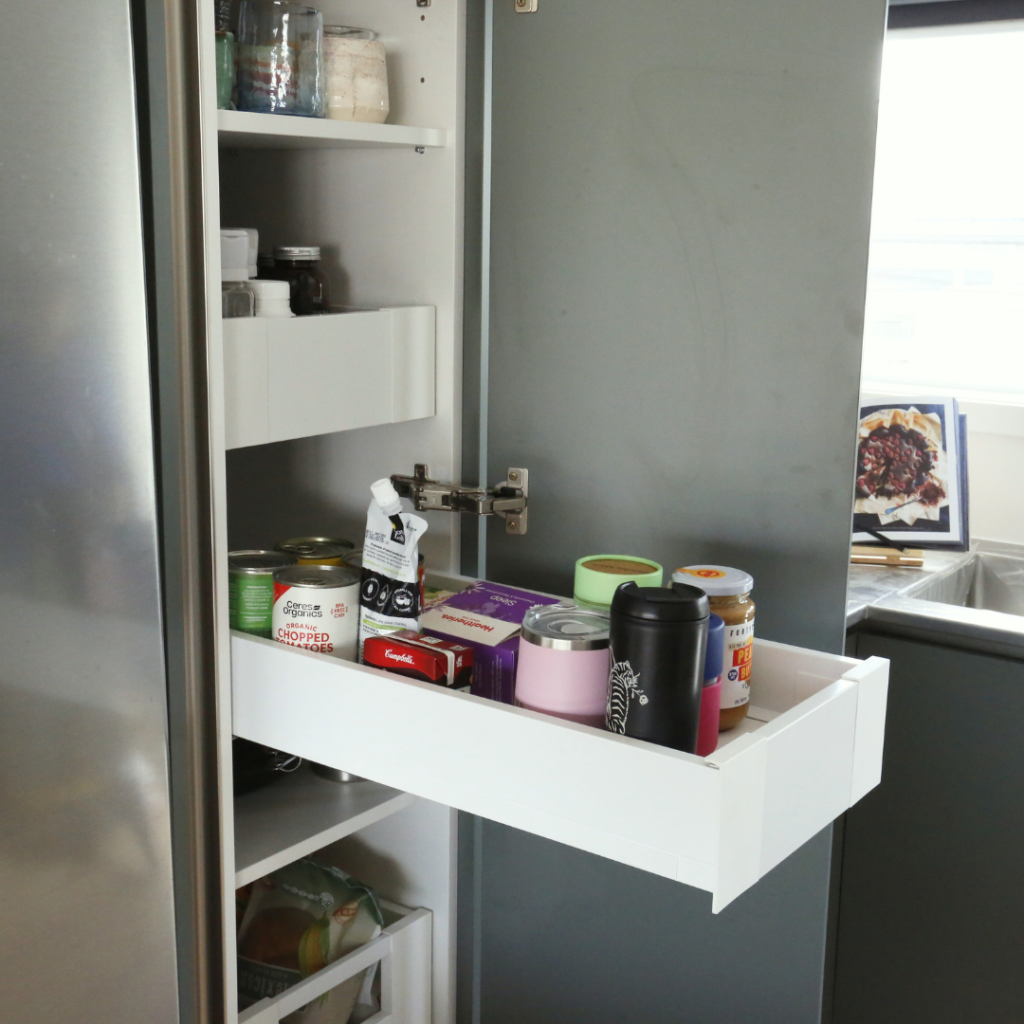
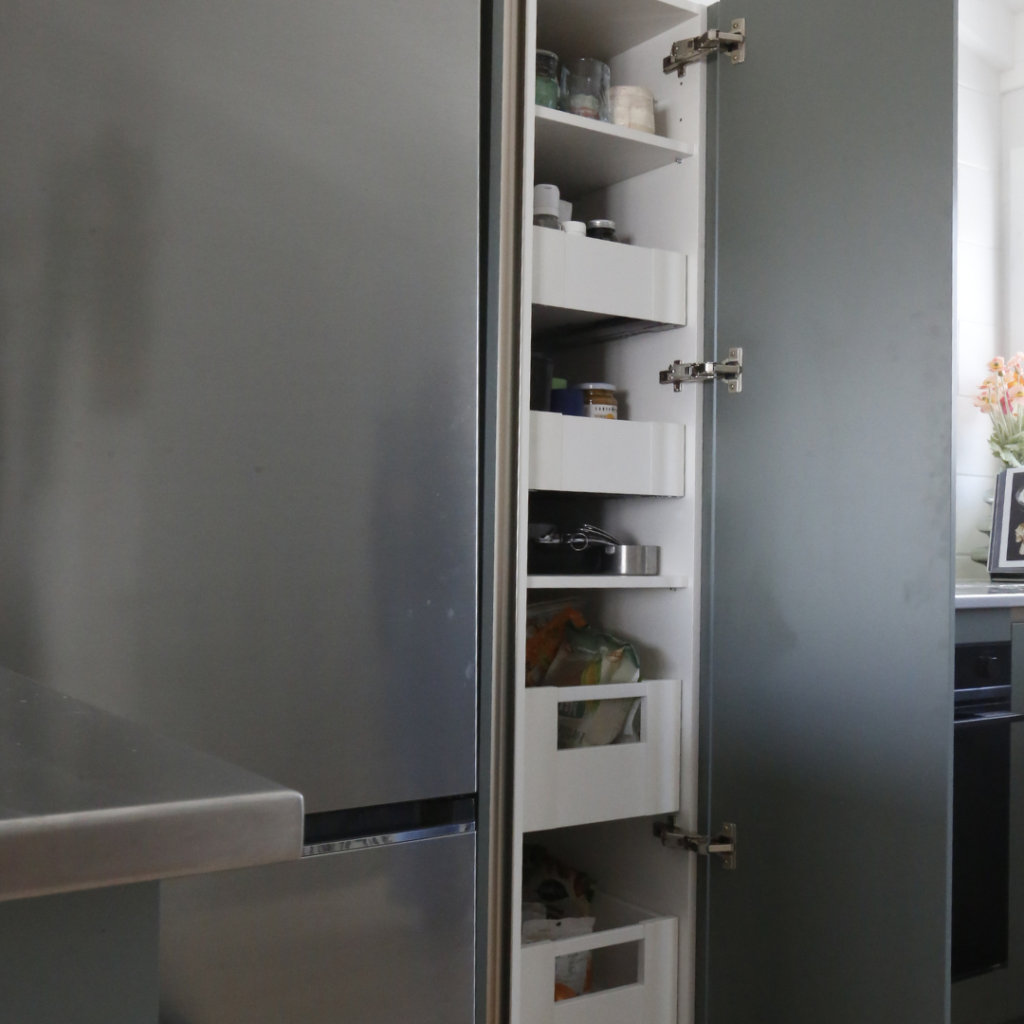
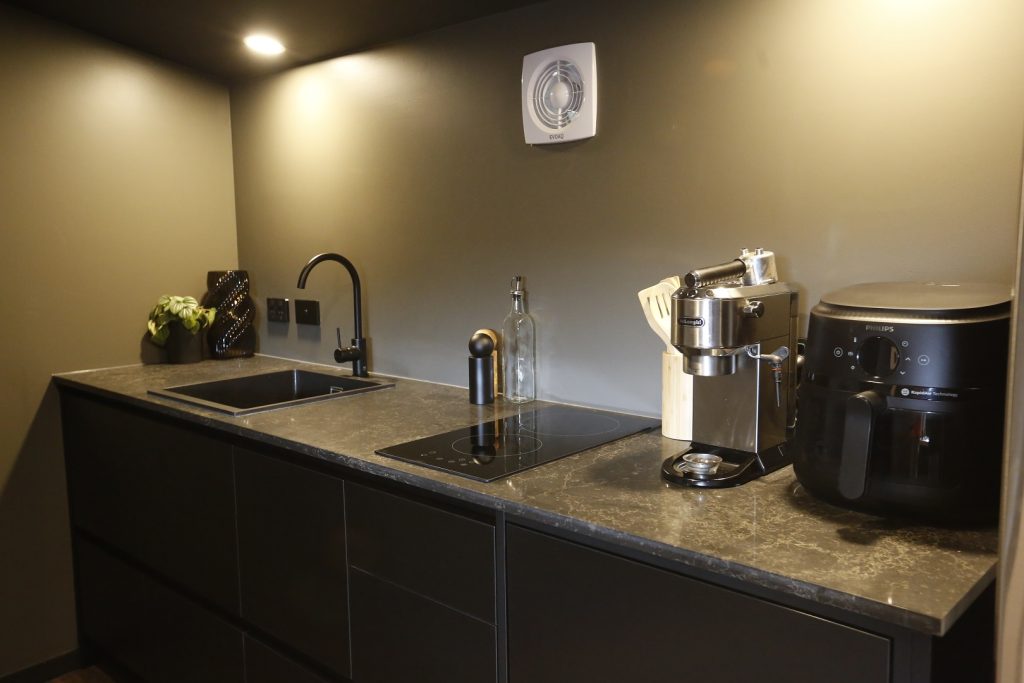
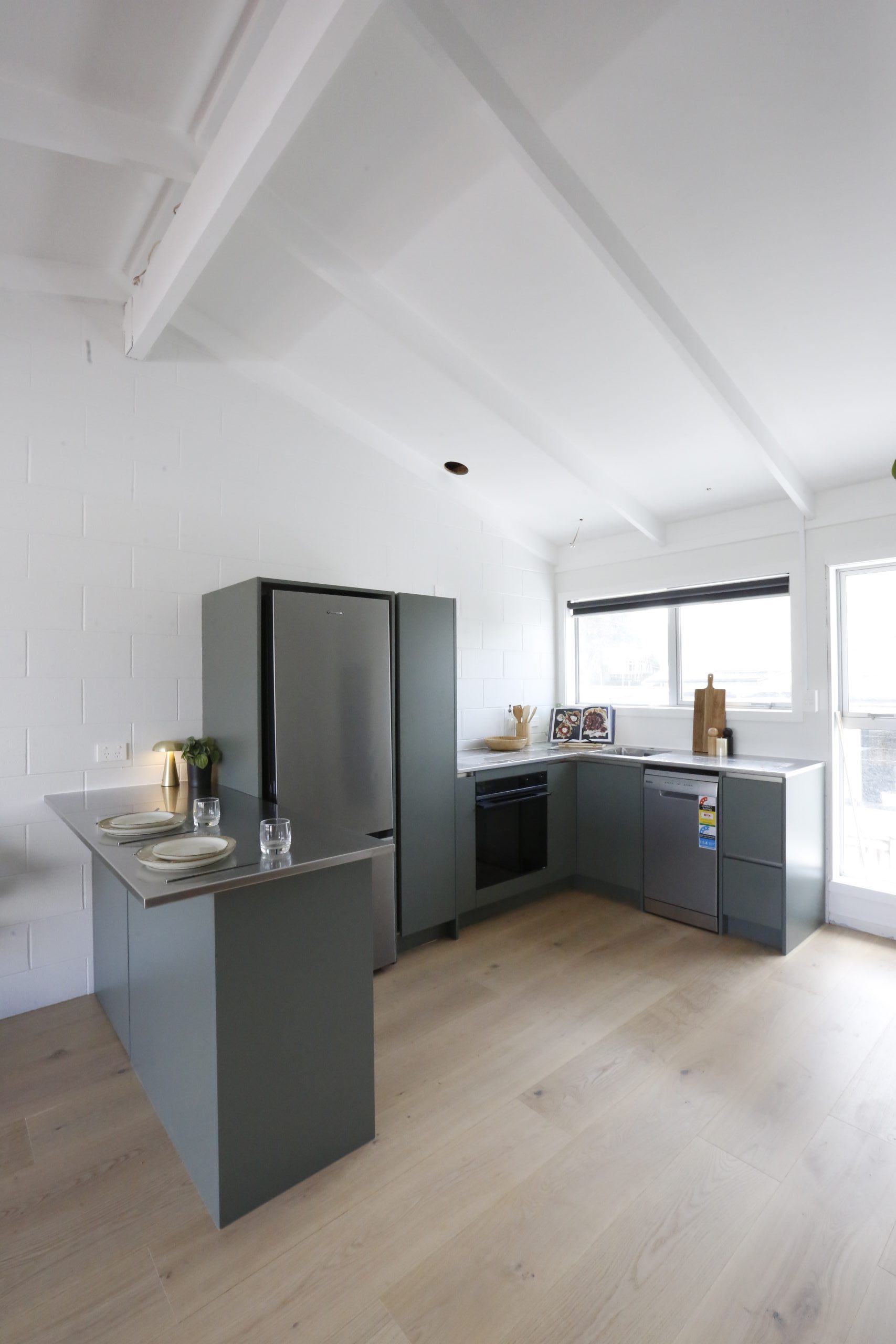
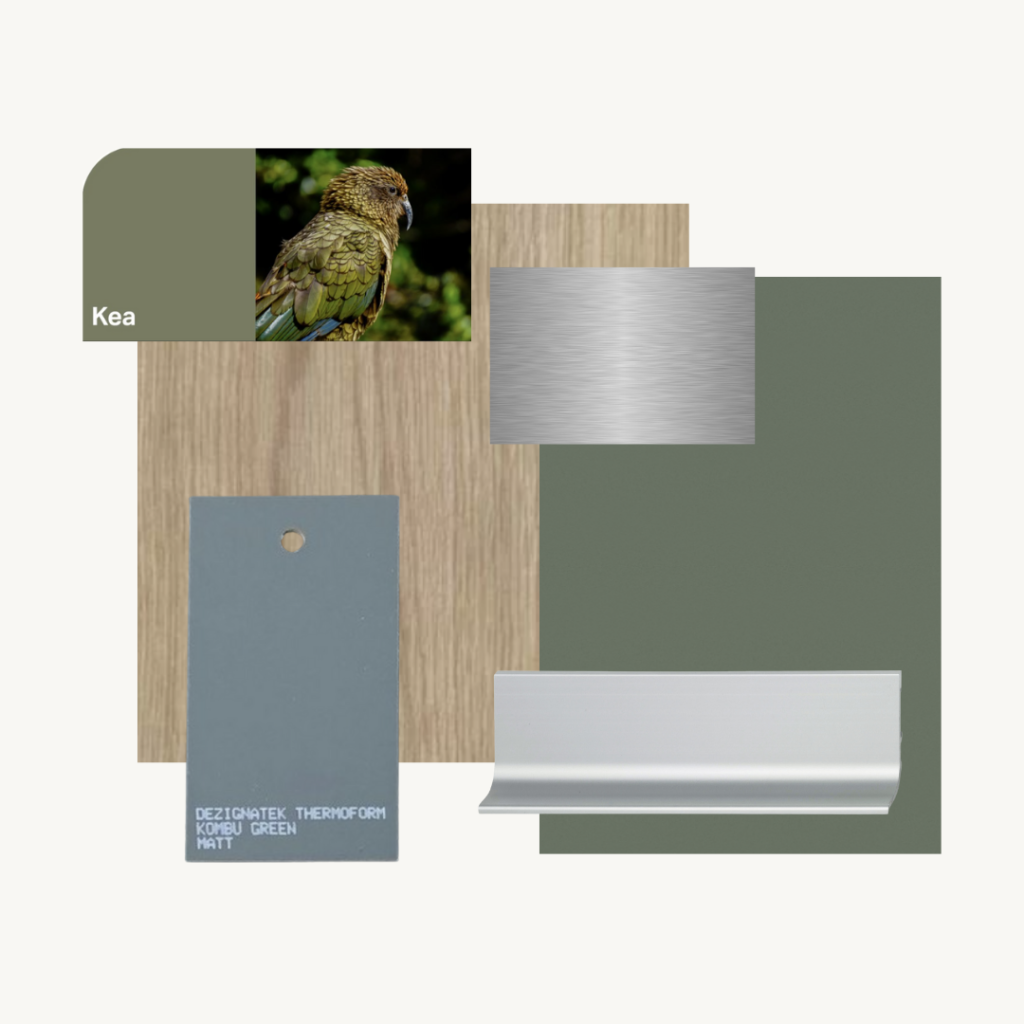
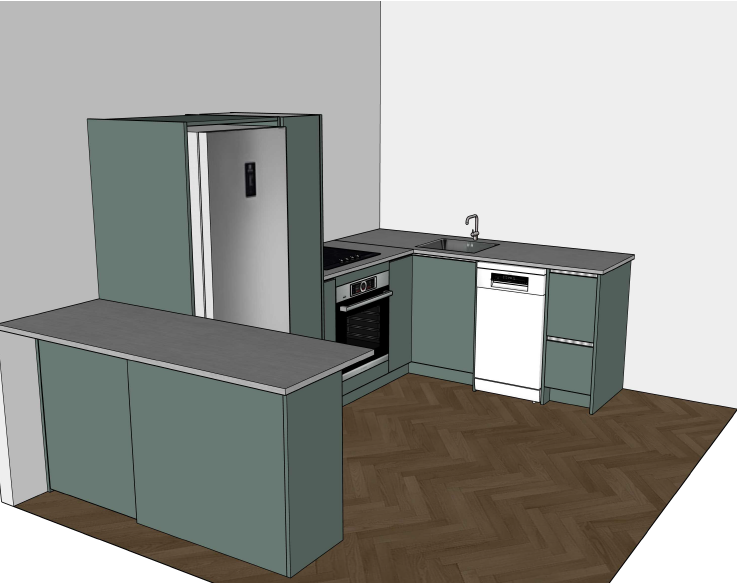
    The highlight of this new kitchen is the colour scheme, with the cabinetry featuring Melteca’s Green Slate Pearl. It is an elegant hybrid of naturality and modernity – blending the best of both worlds in a revisionist-retro theme. This is exemplified by the plan for a stainless-steel benchtop – a staple of the late 20th century, now revived with modern features and design sensibilities. The stainless-steel theme extends to the Mercer Pressato sink and the Westinghouse fridge, the latter of which sits side by side a full-height pantry unit.

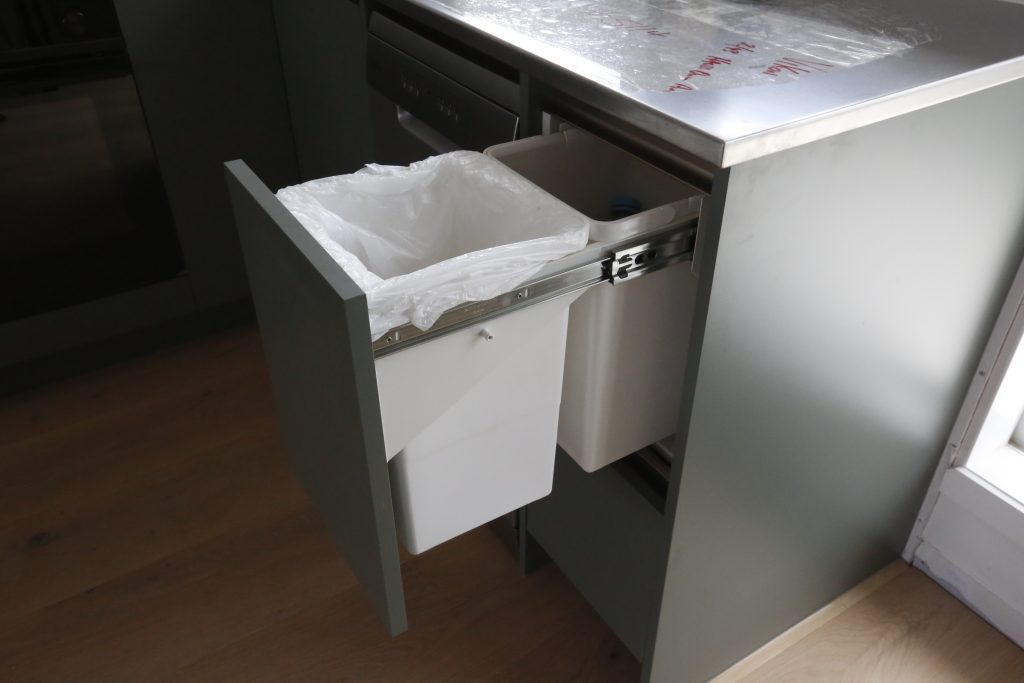
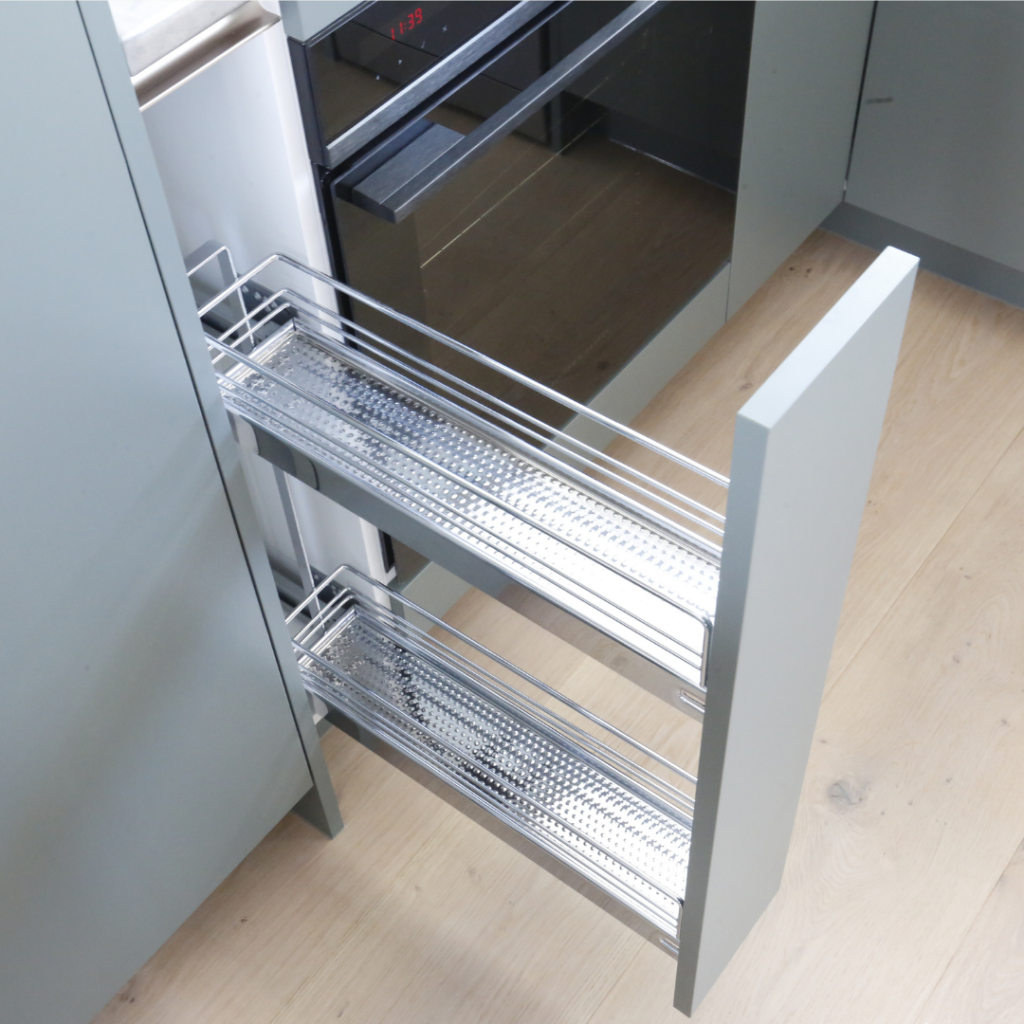
    Häfele’s Luxe extrusion handles were also hand-picked by the owner. Their hidden nature allows the green of the cabinetry to be presented with a flush and uniform view. Also present is the Kesseboehmer pull-out set, perfect for oils and bottles. Fit’s drawer kits and pull-out bin were chosen for their smoothness of operation and quality materials.

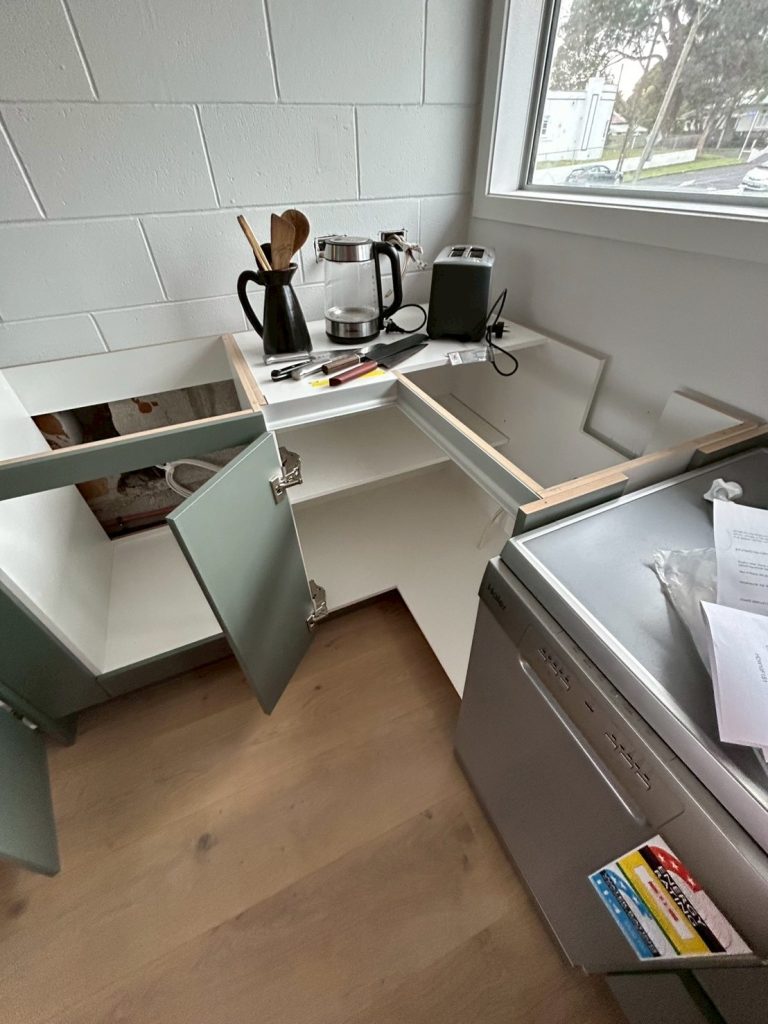
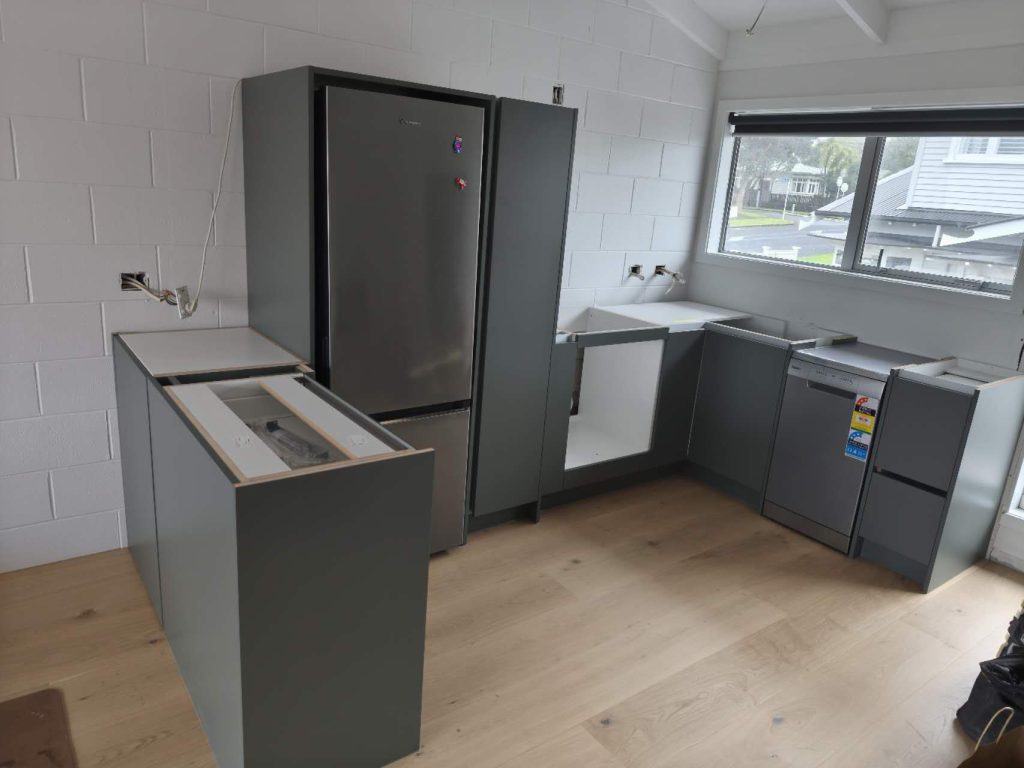
    So how is this project coming along? BoxMakers have recently finished the cabinetry fit-out and have prepared the benchtop template. Our next step is installing the sleek stainless-steel benchtop. We are excited to see this verdant kitchen to completion and can’t wait to see the finished job!

  • What is Plywood and What is it Used For?

    What is Plywood and What is it Used For?

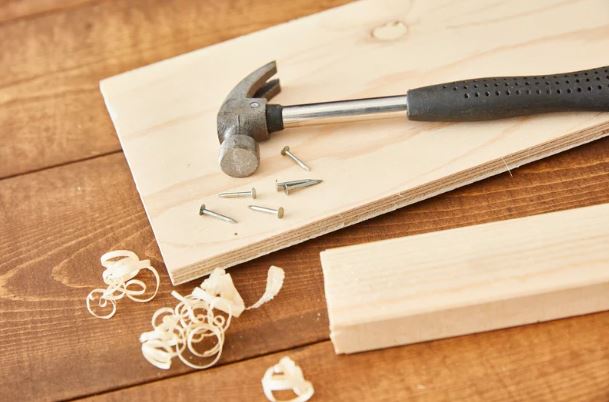
    Known for its value and flexibility, plywood serves as the backbone for many homes – being a prime candidate for framing, sheathing, and subflooring. With many of its residential applications being tucked away within the structure of your home, Plywood is a veritable unsung hero of residential builds.

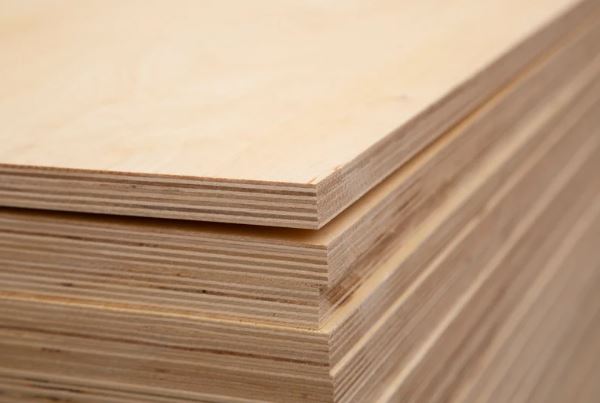
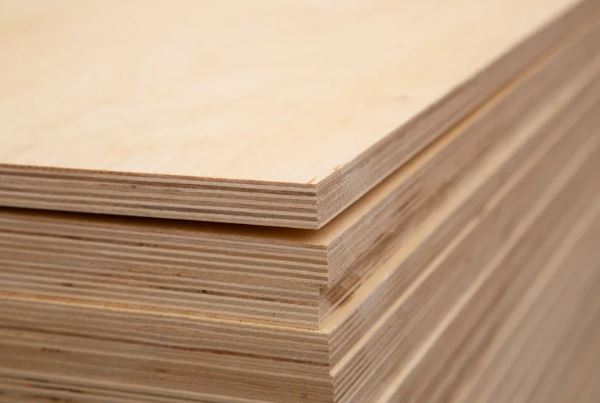
    So what gives plywood its signature versatility? Typical plywood panels are made from numerous layers of softwood veneer, bonded together by a resin adhesive. And what counts as softwood? In a nutshell, softwood comes from trees that grow lighter and more flexible wood. Such trees include pine, spruce, and fir. This is a deliberate choice aimed at providing the finished product with the pliability to bend when met with force instead of snapping or breaking.

    To help its stability, the softwood veneer sheets alternate grain directions each layer in a process called cross-lamination. This combination of softwood, adhesive, and technique create a flexible product fit for a broad range of uses. Plywood isn’t all-powerful, however; water-resistant finishes or chemical treatments are required for it to possess capable moisture resistance. Without it, water can seep into the layers and can cause bloating or decay.
    What are its use cases? In New Zealand, plywood plays a major role in structural home elements like wall sheathing and as a flooring substrate, but it also has applications in furniture, wardrobes, and cabinetry. For use cases such as these, the desired composition changes from softwood to hardwood. Often made from hardwood trees such as birch, oak, and maple, this premium form of plywood is used for tables, shelves, and joinery work. As the name suggests, hardwood is denser, tougher, and comes with a more premium appearance (and price tag). While softwood works behind the scenes, hardwood takes the spotlight, being a quality choice for furniture.

    To sum it up, softwood plywood possesses an excellent strength-to-weight ratio and is great for structural elements, while hardwood plywood is a durable and aesthetically pleasing solution for joinery that can serve as a premium alternative to MDF.


    Sources:

    https://www.naturallywood.com/products/plywood

  • A Special Scandinavian Kitchen in Mt Albert

    A Special Scandinavian Kitchen in Mt Albert

    Our ongoing work at this Mt Albert home is helping bring to life the owner’s visionary passion project. Envisaging a crystal-clear idea of exactly what they wanted for their family, the owner worked closely with BoxMakers to ensure part of the kitchen and cabinetry was how they dreamt it to be.

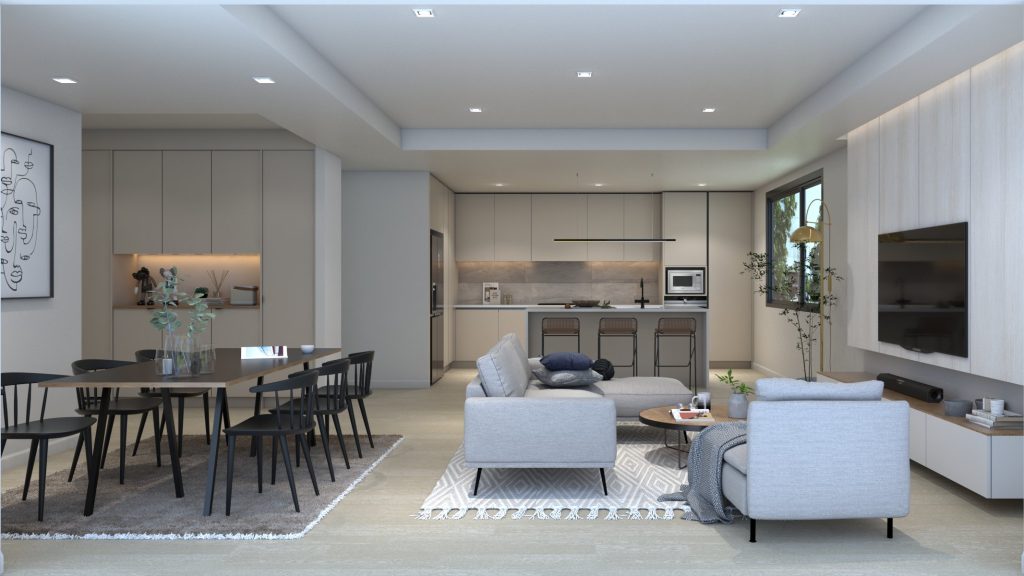
    The core design philosophy behind this project is to create a minimalist, clean, and airy kitchen that feels simply freeing the moment you step in. A simple and light Scandinavian-style kitchen was the goal. The colours were selected to mirror this relieving nature, being a warm beige and gentle white. Melteca’s French Cream was chosen as the primary colour, a decadent tone evocative of elegantly-presented desserts.

    Prime Panels’ Embossed White fills out the rest of the scene with hints of levity. Beneath the melamine colours, the cabinetry’s core material is a sturdy MDF – a versatile substrate for hosting such a palette. Uniquartz’s Sparkling White makes an appearance as the benchtop’s finish. The textured grey of the engineered stone strikes a perfect midpoint between the cream and white.

    For the handles and drawer features, we found Häfele to hit all the right notes for the owner’s vision. Their intricately engineered drawer runners, sides, and faces made storage both satisfying and accommodating. In keeping with a flush, minimalist design, Häfele’s Luxe series were chosen to serve as hidden extrusion handles, hiding away even the slightest amount of visual clutter. The theme continues with Enko’s Vibo Pull-Out Bottle Organiser, and FIT’s Tanova Dual Pull-Out Bin.

    The centrepiece of the cabinetry, however, is the full-height glass display cabinet, right beside the kitchen. It comes complete with a full set of per-shelf LED lighting, primed for figurine display.

    BoxMakers’ work continues on another home in the same complex, with much of the same principles carried over, such as a clean, minimalist design, and a feature-set designed to cater to all generations of a growing family. The project’s tenets of simplicity, durability, and versatility can be seen in both lots, but the former is undeniably something special.

  • What is MDF and How Does it Compare to Real Wood?

    What is MDF and How Does it Compare to Real Wood?

    What we know as Medium-Density Fibreboard (MDF) today originally started as a composition of wood chips. Since then, the modern method involves breaking these chips down and using a defibrator to produce wood fibres. Then, in combination with resins and wax, it is heated and pressed to form flat, flush, and smooth panels – durable enough for an impressive range of purposes such as cabinetry, DIY, and furniture.


    So Just What is MDF?

    While the composition of MDF includes an ample amount of real wood, the wood in question has been fiberised and melded with water, wax, and resin. MDF boards involve wood chips, which otherwise wouldn’t have been useable like proper cuts of wood. This means an affordable product that is easy to work with, possessing most of the traits of real wood. There are a few key differences, however:

    How Strong Is It?

    Firstly, the eclectic blend of ingredients means that MDF didn’t form as a natural solid like wood does. Wood comes out as the stronger of the two, making it more suited for heavy loads, as well as woodworking activities. While both are workable with tools and can make excellent pieces of furniture, real wood’s natural composition makes it vastly superior for carving, sculptures, and creating intricate designs. Cutting MDF is prone to sawdust generation, and without a proper finish, it is vulnerable to swelling due to moisture ingress.

    MDF finishes

    What About Looks?

    Secondly, the aesthetic appeal of real wood is something undeniable. A staple of modern and traditional designs, the textures and patterns play a crucial role in making homes and furniture feel genuine. Variants like pine, oak, or acacia provide nuanced depth and richness for a variety of settings. MDF, however, boasts an even greater degree of variety. Able to come in subtle melamine, glossy vinyl, or a deceptively realistic wood veneer, MDF offers unmatched versatility in customisation.

    And Cost?

    Among both real wood and its wood product alternatives, MDF holds strong in its position as an affordable and reliable material. Its lightweight nature makes it more manoeuvrable than real wood. A proper finish and edge application can mimic real wood quite convincingly. The latter, however, ages better, and is regarded to have better repairability – making real wood quite appealing in the long run.


    The modern MDF manufacturing process is able to deliver affordable, quality products with good durability. With a bit of finishing and sealing, it proposes a remarkably competitive solution for cabinetry and furniture – being light and customisable. While it may not come with the authenticity or character of real wood, it comes incredibly close for typical home purposes.

  • Engineered Stone Benchtop Trends in New Zealand Kitchens

    Engineered Stone Benchtop Trends in New Zealand Kitchens

    When it comes to kitchen design in New Zealand, the benchtop often becomes the heart of the space. It’s where meals are prepared, family gathers, and friends linger over coffee. More than just a work surface, a benchtop sets the tone for the kitchen’s look and feel.
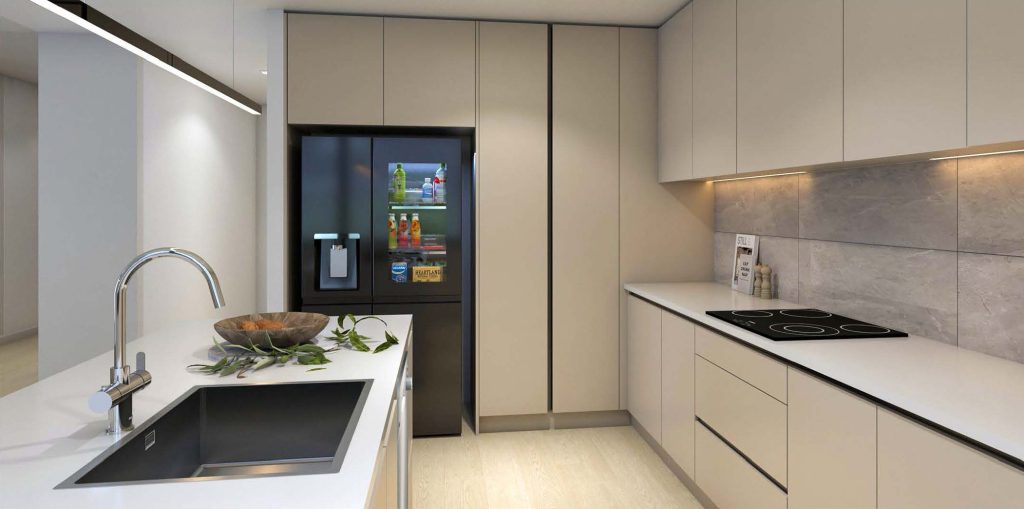
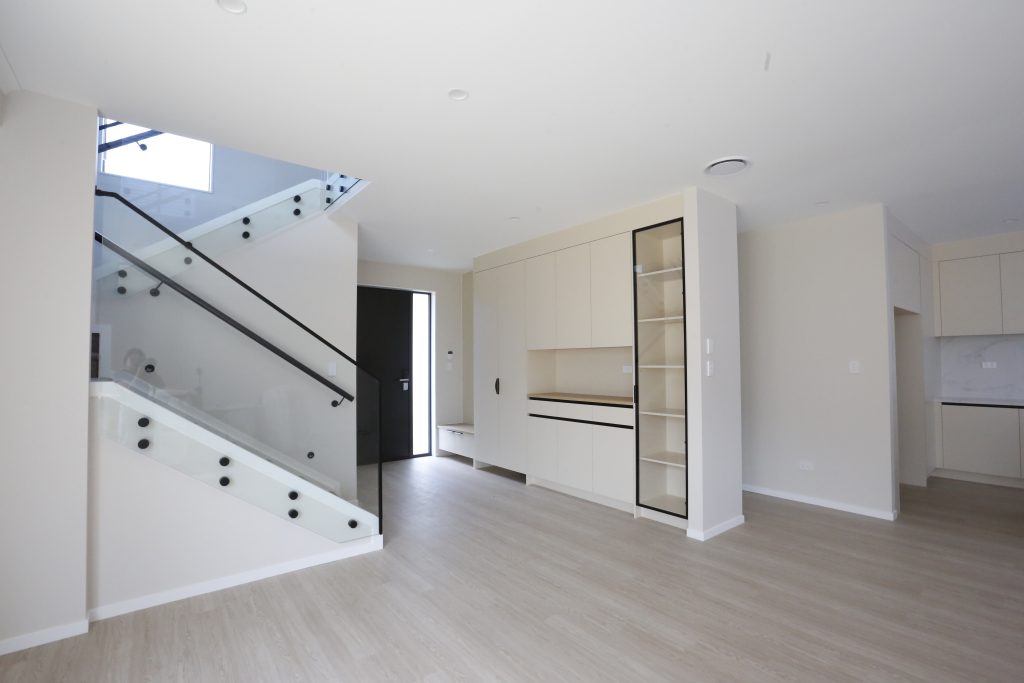
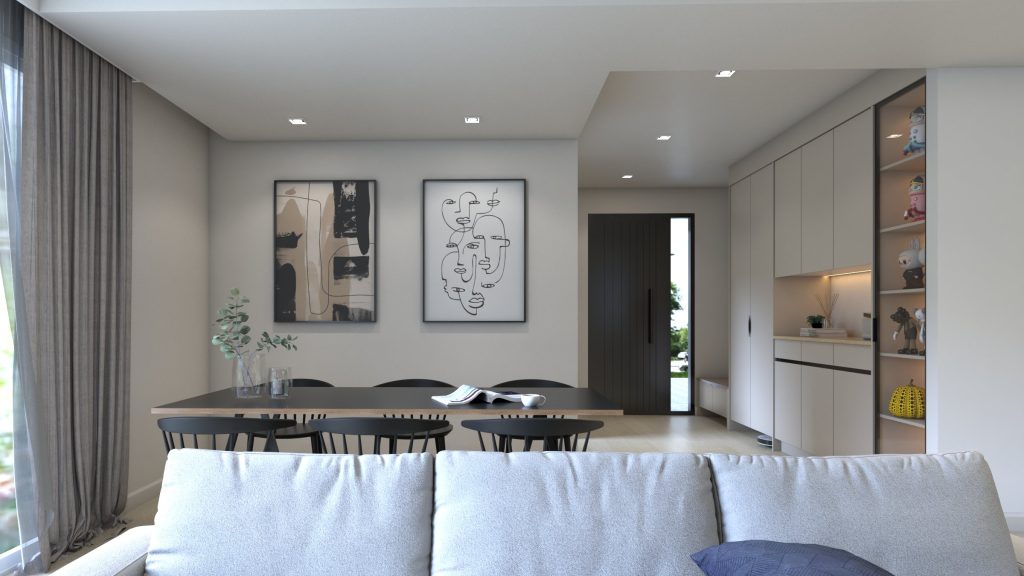
    Engineered stone benchtops continue to be one of the most popular choices for Kiwi homeowners thanks to their durability, low maintenance, and range of stunning finishes. But within this category, there are plenty of design directions you can take. Here are five engineered stone benchtop trends shaping kitchens across NZ right now:

    Veined patterns kitchen marble benchtop

    1. Veined Patterns

    The marble-look trend is here to stay. Engineered stone with soft or bold veining offers all the elegance of natural marble without the upkeep. It’s an ideal choice for New Zealand families who want luxury but also need practicality. Whether paired with classic white cabinetry or darker tones, veined surfaces add depth and character that feel timeless.

    2. Matte & Honed Finishes

    For years, polished high-gloss stone was the go-to. Now, Kiwi homeowners are gravitating toward honed or matte finishes. These surfaces have a softer, more natural texture, reducing glare from sunlight (especially in bright, north-facing Auckland kitchens). The look is contemporary, understated, and pairs beautifully with timber accents.

    3. Neutral & Earthy Tones

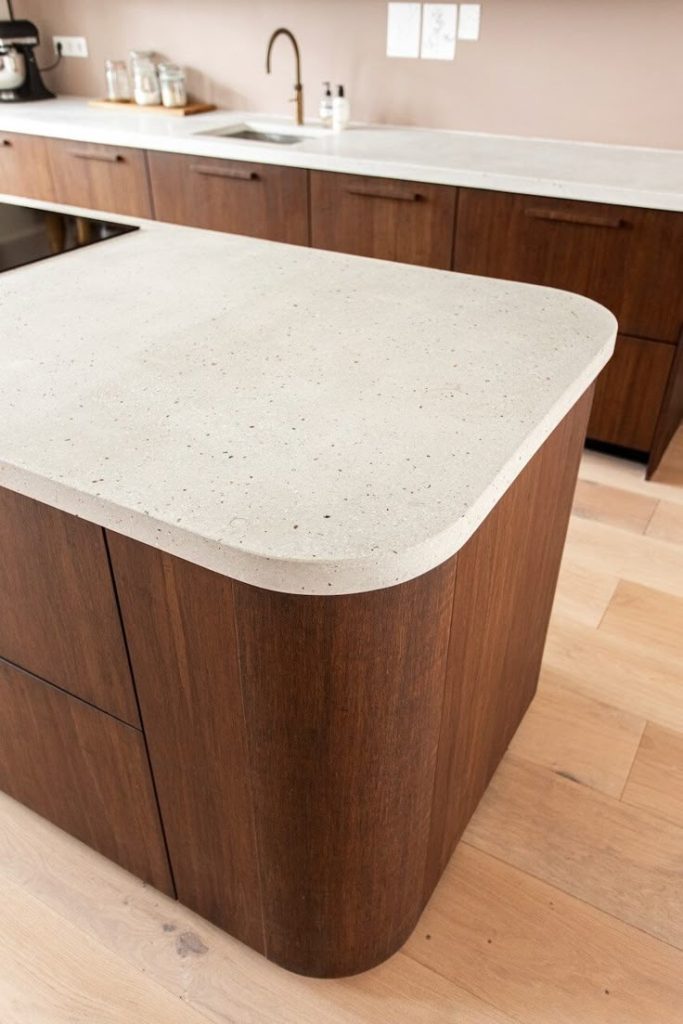
    In line with the wider movement towards calming, nature-inspired interiors, more neutral and earthy engineered stone benchtop colours are being chosen. Warm greys, taupes, and beiges create a softer backdrop that feels inviting and versatile. These tones work particularly well in open-plan NZ homes, where the kitchen flows seamlessly into living and dining areas.

    4. Extra-Thin Profiles

    Minimalist design has been steadily gaining traction in New Zealand, and benchtops are following suit. Slim profiles, often between 12–20mm, create a sleek, contemporary look that suits European-inspired or modern Kiwi homes. Thinner benchtops are especially effective on kitchen islands, giving them a refined edge that still feels robust.

    Extra-thin profile kitchen benchtop

    5. Waterfall Islands

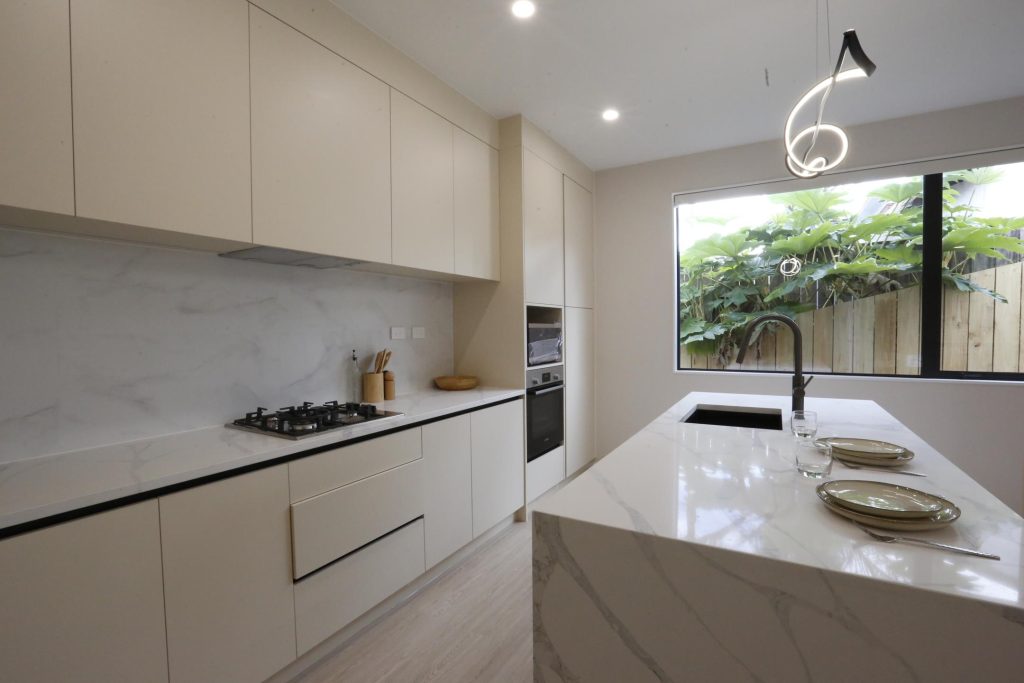
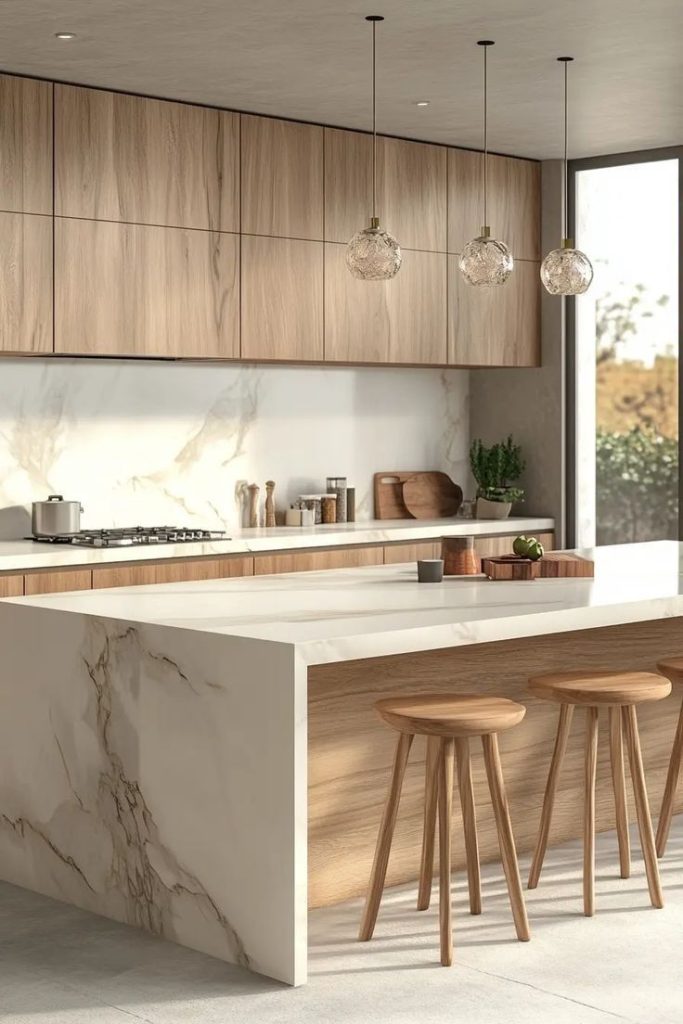
    Few design features make as strong a statement as a waterfall island. By continuing the stone down the sides, the kitchen island becomes a true centrepiece. In NZ homes, where the island often doubles as a dining or entertaining hub, this detail makes the space feel cohesive and luxurious. Waterfall islands also highlight the natural beauty of veined engineered stone, turning the benchtop into a feature in its own right.


    Engineered stone benchtops in NZ kitchens offer the perfect balance of performance and beauty, which is why they remain a top choice for both new builds and renovations. From timeless veined patterns to modern thin profiles, today’s trends allow you to create a kitchen that’s both practical and striking.

    At Boxmakers, we design and build kitchens tailored to the way New Zealanders live, combining craftsmanship, thoughtful design, and quality materials.

    If you’re considering a kitchen renovation or new build in Auckland, our team can help you explore the right benchtop choice for your home.

    👉 Get in touch with us today to book your first free consultation.


    Resources:

    https://www.realsimple.com/nkba-2026-kitchen-trends-report-11813491

    https://archant.co.nz/blog/articles/5-impressive-benchtop-surfaces-for-2023-and-beyond.html

    https://linkmix.co/44079347