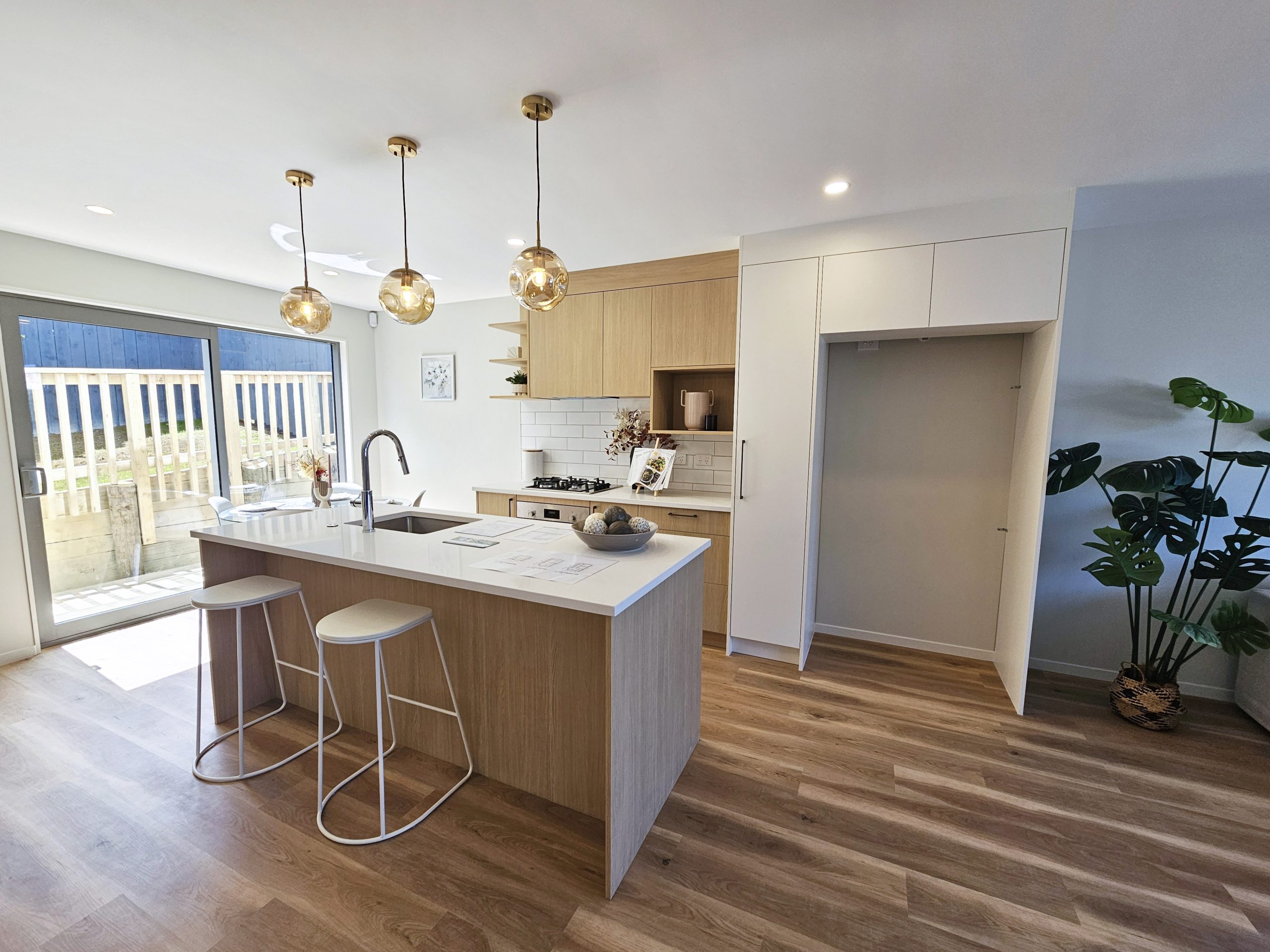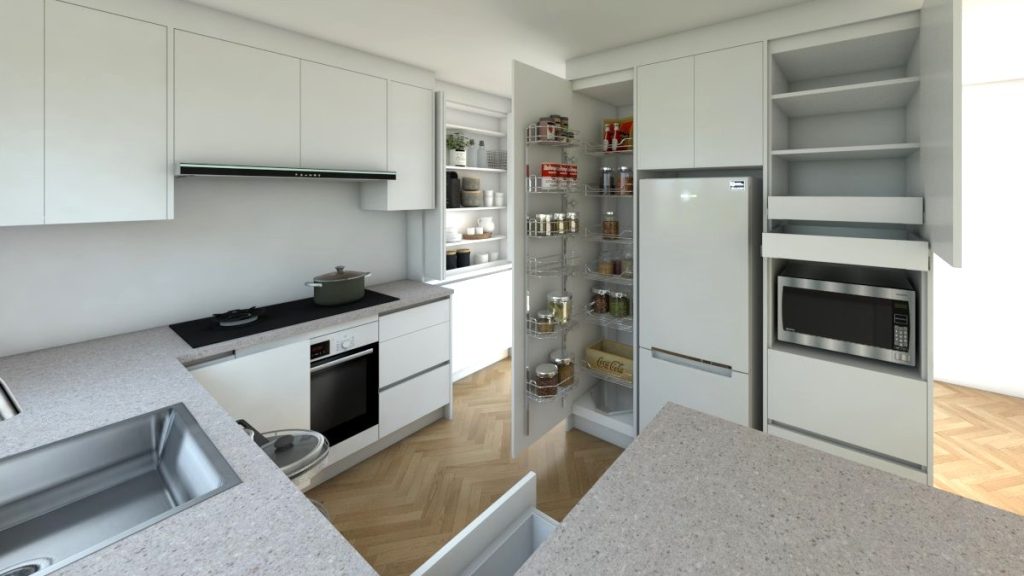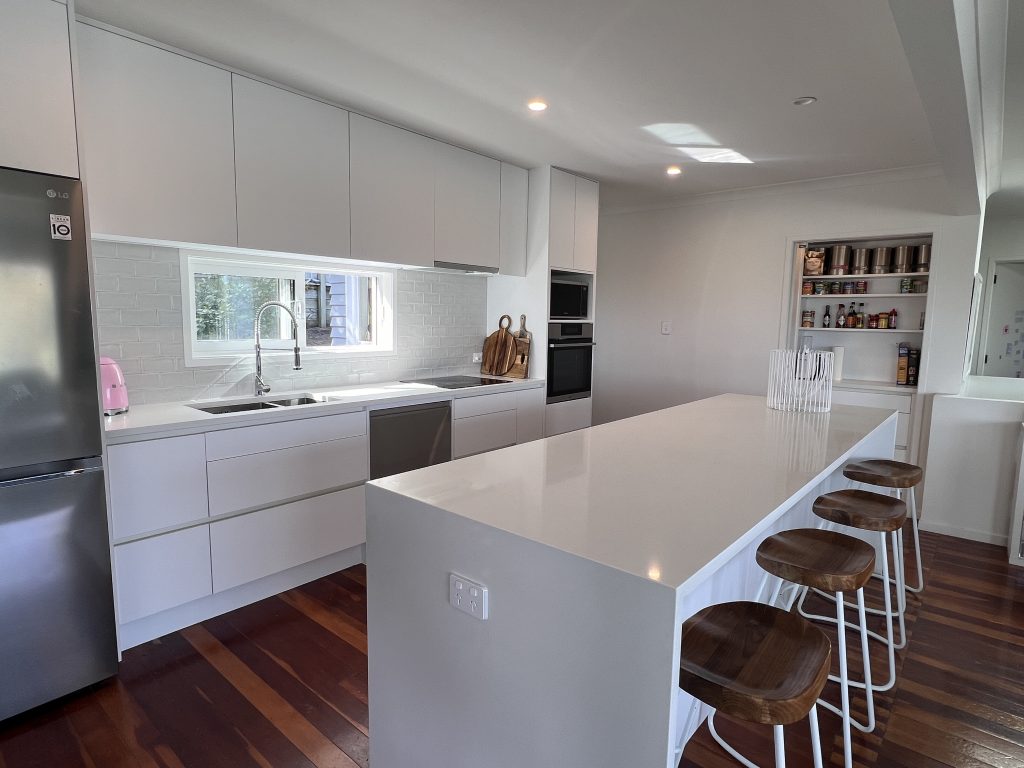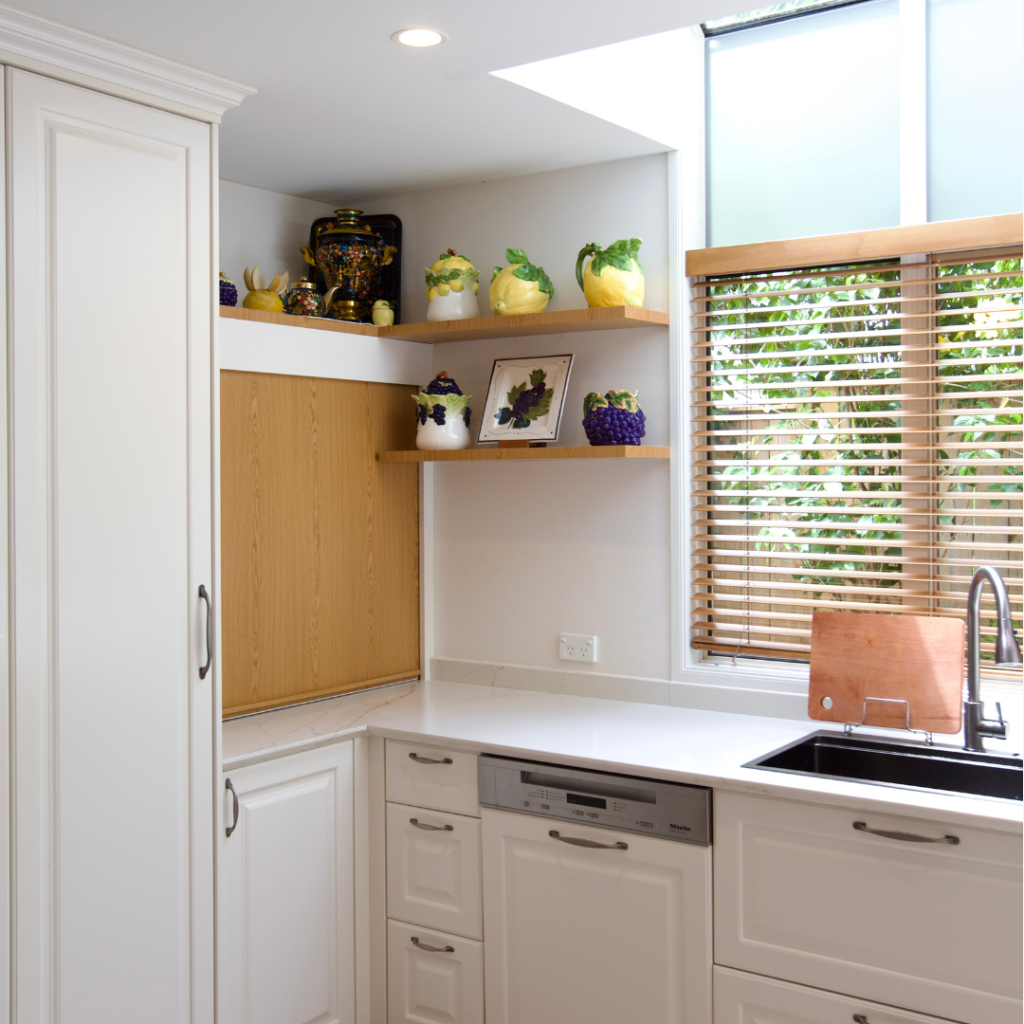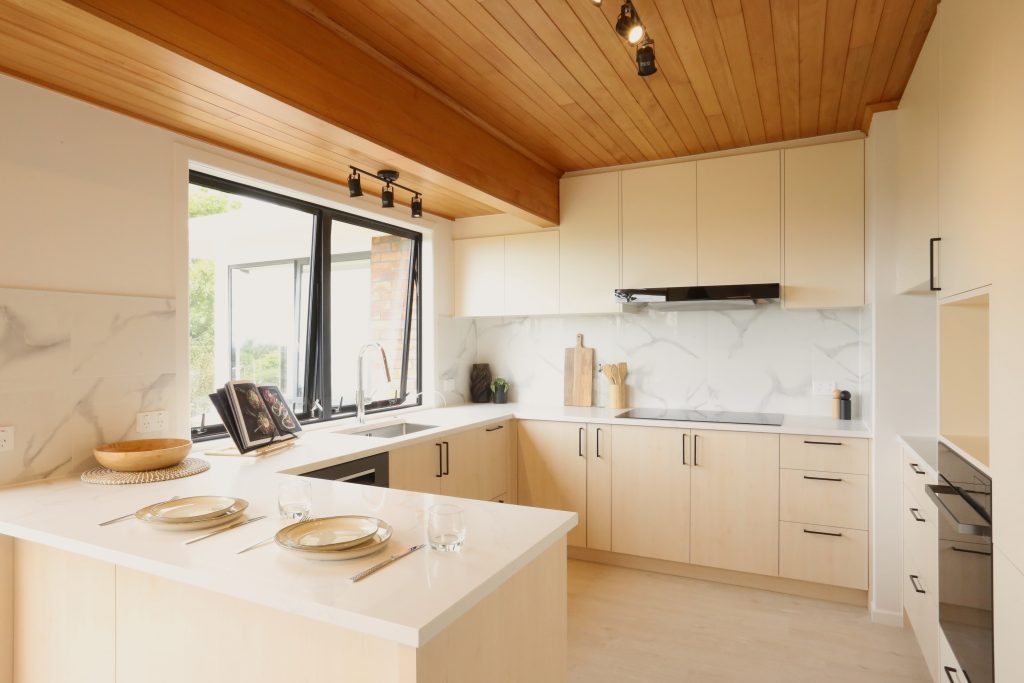
If you’ve ever compared two kitchen designs that look almost identical, then been shocked by how far apart the prices are, you’re not alone. This is one of the most common questions we hear once homeowners start gathering quotes.
The truth is simple but often misunderstood: kitchen cabinetry is priced on what it’s made from and how it’s built, not how it looks in a photo. The real differences usually sit behind the doors, inside the drawers, and in how the kitchen is put together and supported over time.
Below are the 5 main reasons cabinet quotes can vary so widely, even when the designs appear similar.

1. The materials you don’t see make a big difference
At first glance, most cabinets look solid and well finished. But what’s behind the doors matters far more than what you see on day one.
Cabinet substrates vary significantly in density, stability, and durability. Some lower-cost options use lighter boards that perform fine initially but struggle over time as hinges, drawers, and shelves are repeatedly stressed. This can lead to sagging doors, loose fixings, and reduced lifespan.
At BoxMakers, we primarily use high-quality MDF substrates, chosen for their stability, consistency, and excellent finish results. Where a project calls for it, we also offer plywood and fire-resistant substrates, depending on the client’s needs, budget, and compliance requirements. The right substrate is selected based on how the kitchen will actually be used, not just how it needs to look.
2. What’s behind the doors isn’t all the same
This is where prices often start to separate quickly.
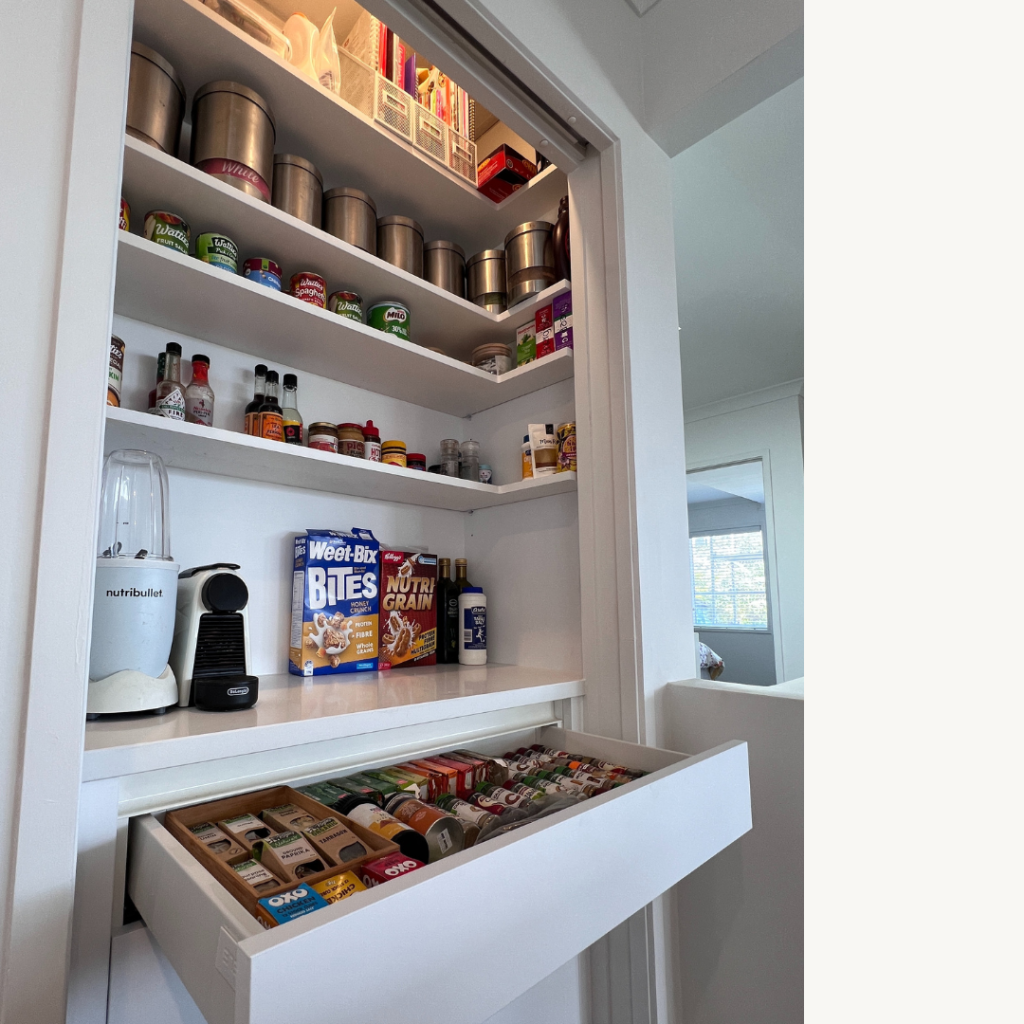
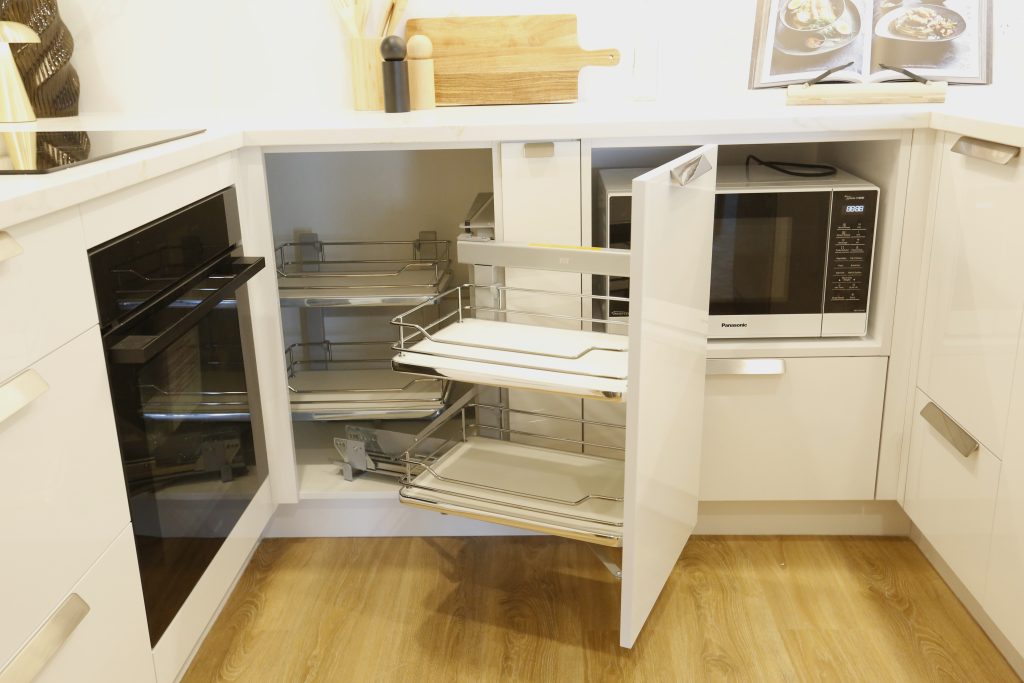
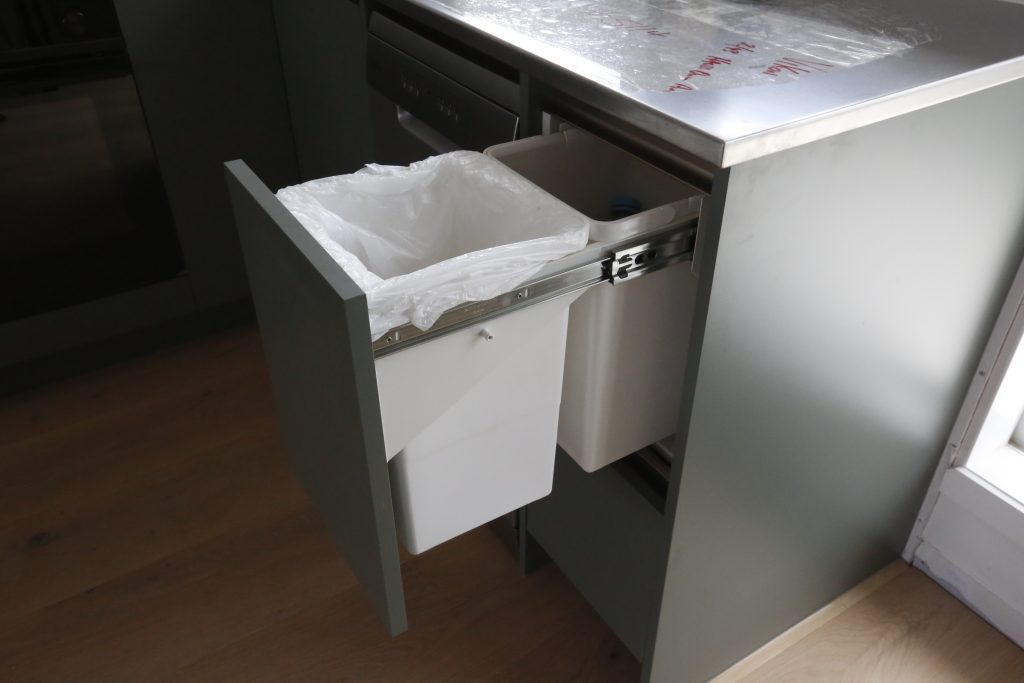
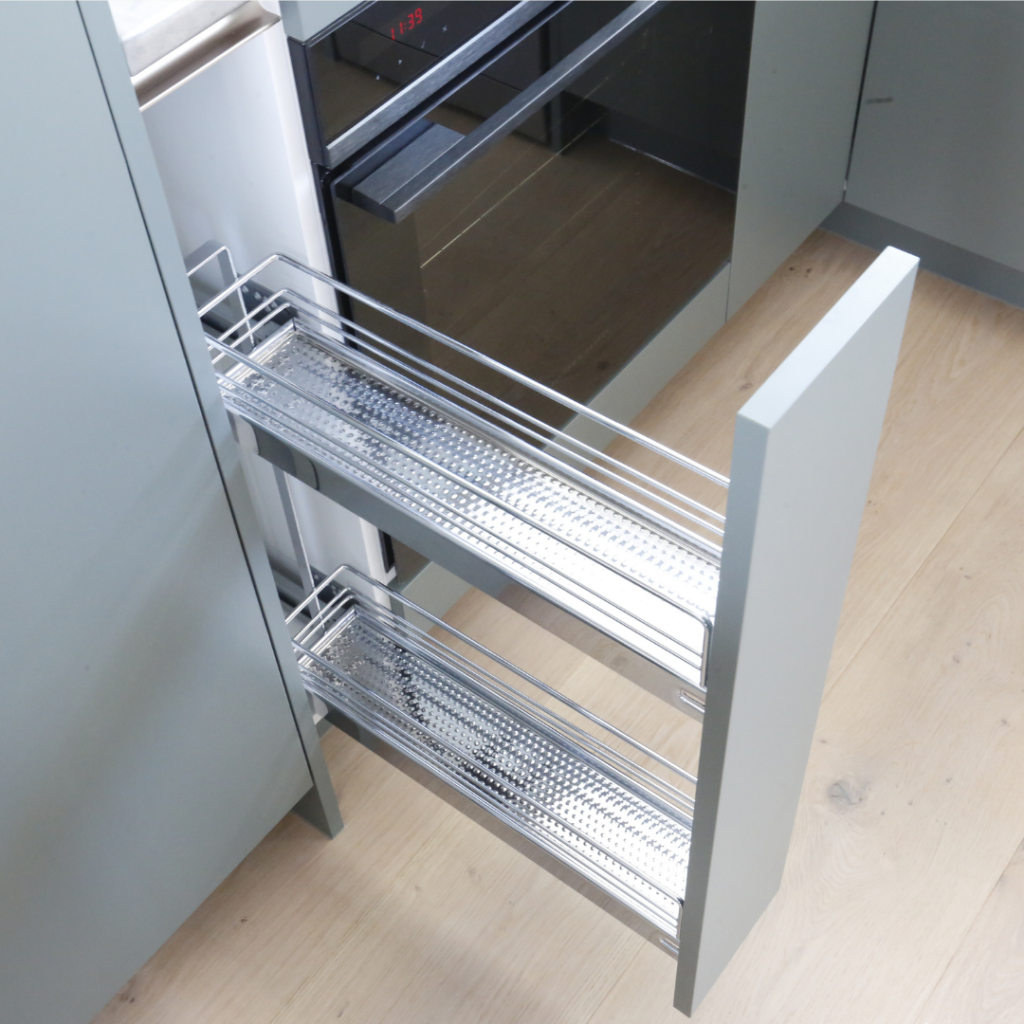
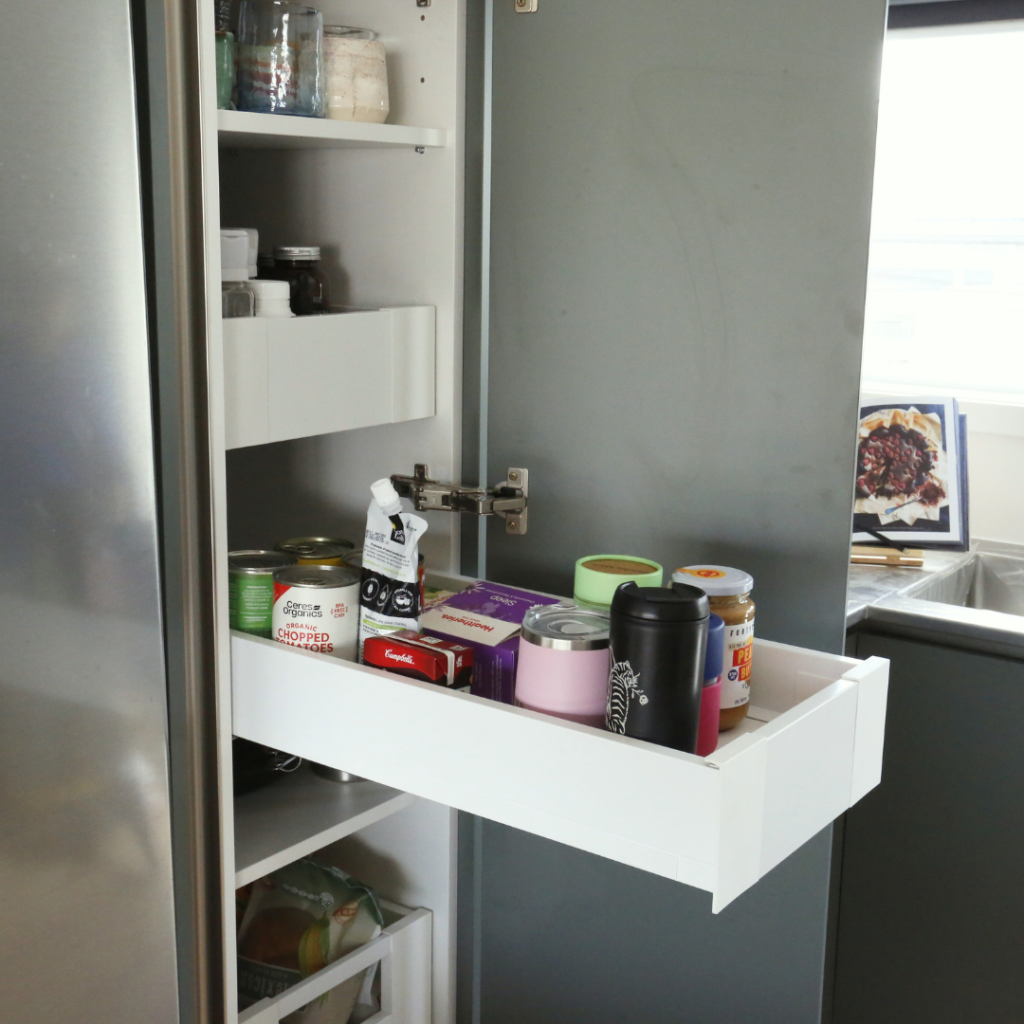
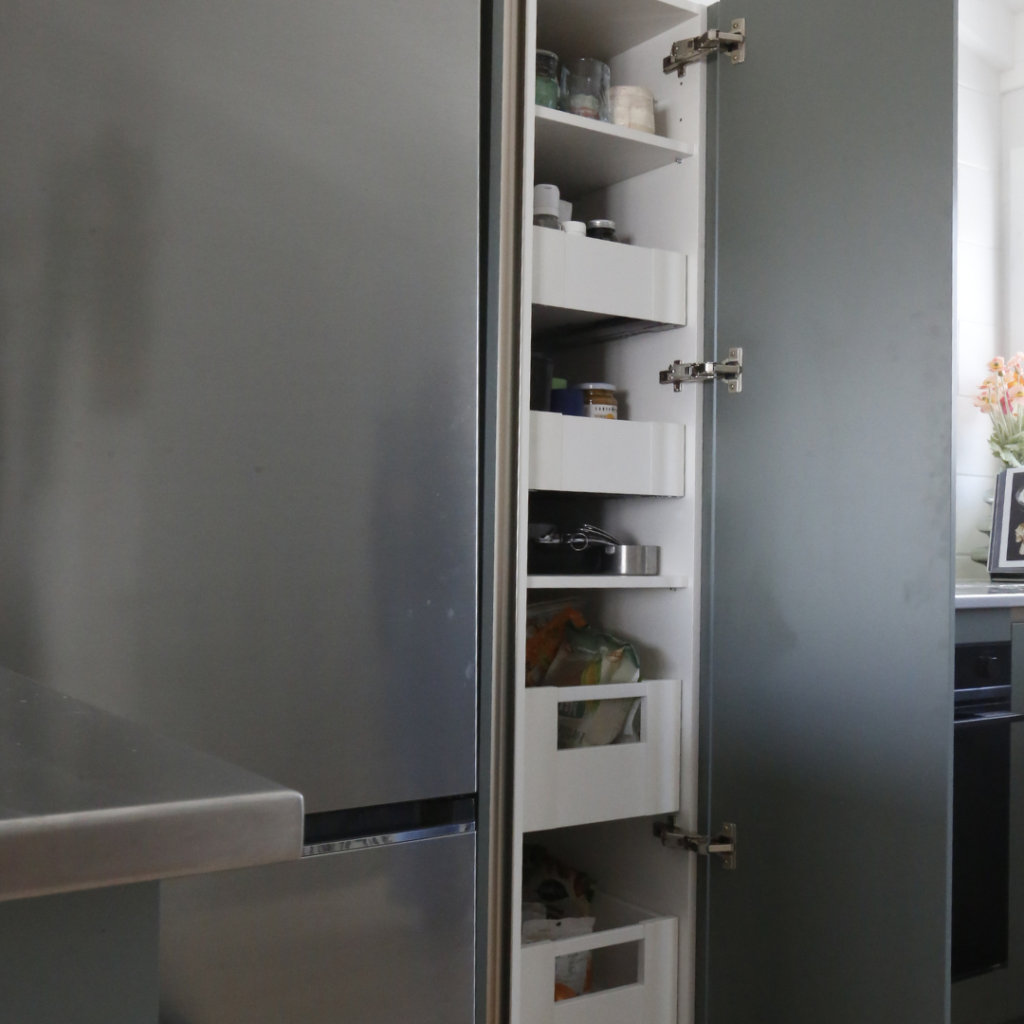
A basic cupboard with a shelf is relatively simple to manufacture. A drawer unit, on the other hand, is a precision-built system involving drawer boxes, runners, soft-close mechanisms, and careful alignment. Multiply that across an entire kitchen and the difference becomes significant.
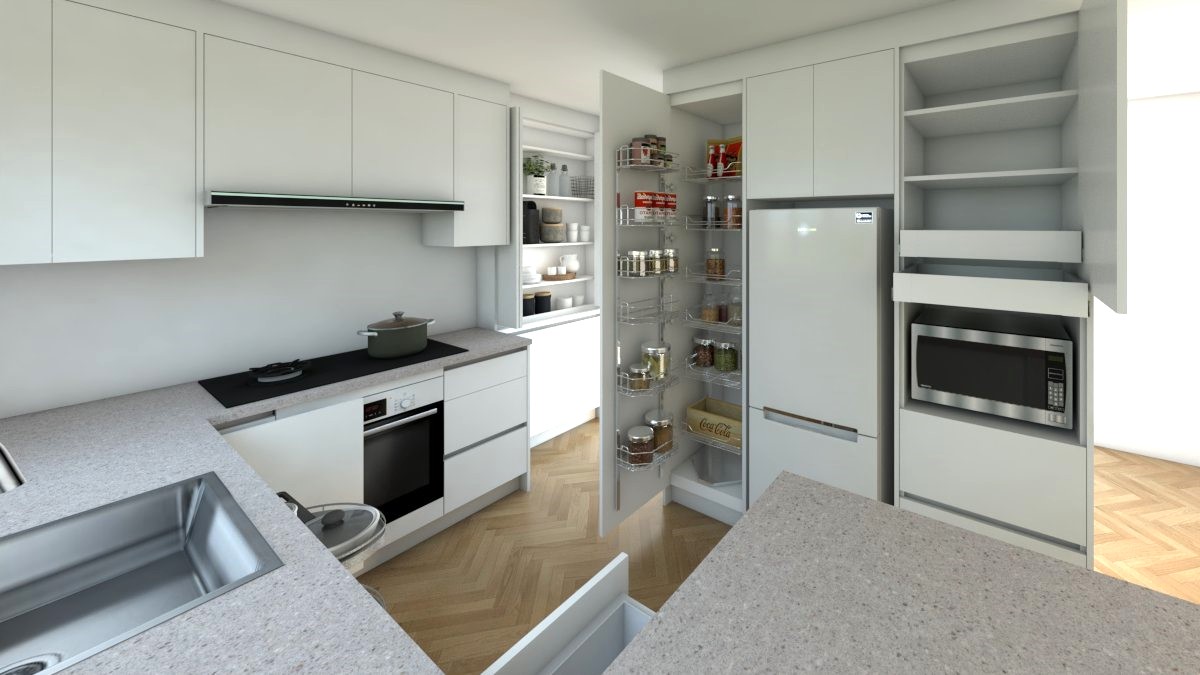
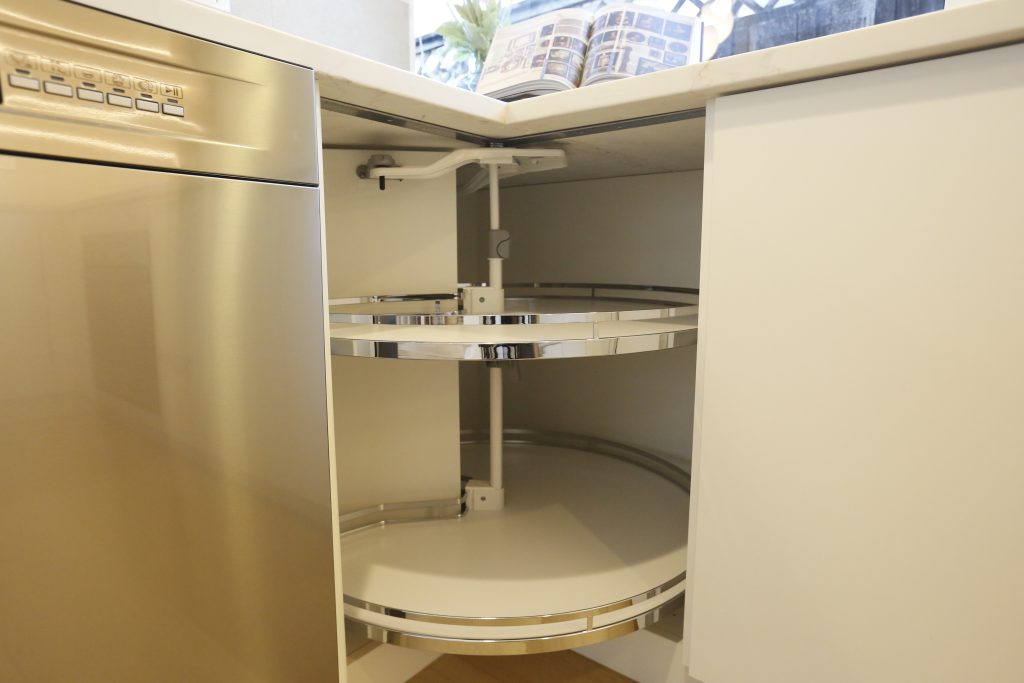
Hardware quality also plays a major role. European-standard drawers, runners, hinges, and internal storage systems are engineered to carry more weight, move smoothly, and last longer. They cost more than entry-level hardware, but they’re designed to be used thousands of times without failing.
These details don’t jump out in a rendering, but they’re exactly what you feel every day when you live with the kitchen.
3. Finishes and manufacturing standards affect longevity
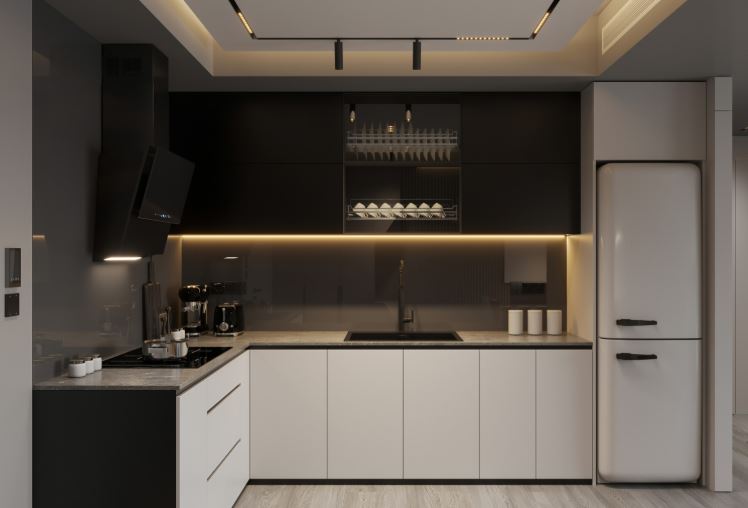
Two cabinets can be the same colour and still be finished very differently.
The type of finish, how it’s applied, and the manufacturing standards behind it all influence cost. Premium finishes tend to be more durable, more consistent, and better at handling moisture, heat, and daily cleaning. Cheaper finishes can look great at installation, but may mark, fade, or deteriorate faster.
We offer a wide range of finishes and focus on pairing the right finish with the right substrate and usage. The goal isn’t to upsell, but to make sure the finish you choose performs well in your specific kitchen environment.
4. Installation, coordination, and accountability are often excluded
Another major reason quotes vary is what’s included beyond the cabinetry itself.
Some quotes cover cabinetry supply only. Others include professional installation, coordination with plumbers and electricians, problem-solving on site, and support once the kitchen is in use. These are very different scopes of work, even if the cabinetry drawings look similar.
We provide professional installation and can also coordinate plumbing and electrical services, which reduces risk, delays, and miscommunication. Having one team responsible for fit, finish, and coordination often results in a smoother build and fewer surprises.
A lower quote isn’t necessarily wrong, but it may mean more responsibility, decision-making, and stress sits with the homeowner instead.

5. Customisation and fit are rarely equal
Cabinetry that is designed specifically for your space will always differ from cabinetry adapted to fit.
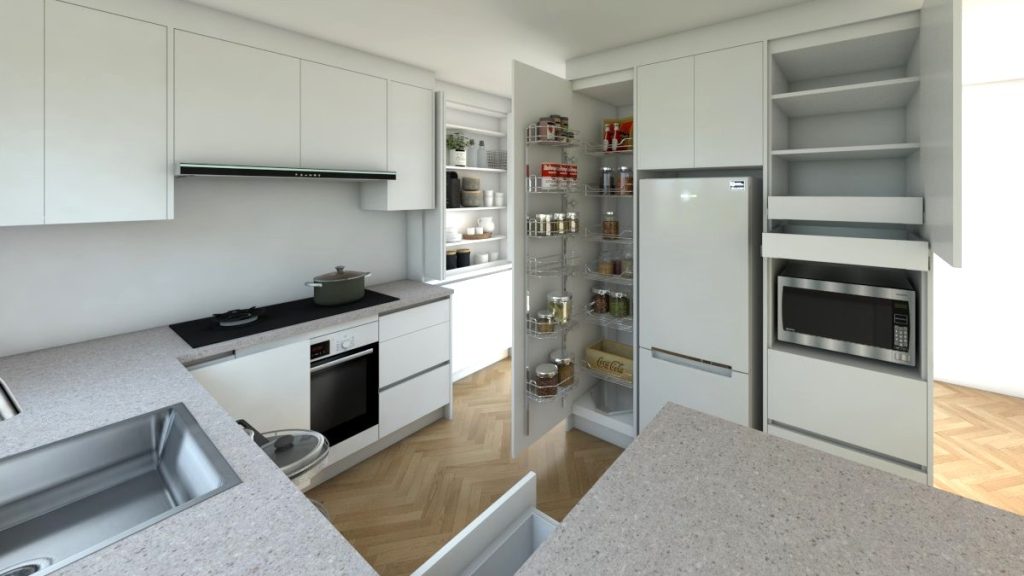
True custom cabinetry accounts for wall conditions, ceiling heights, services, and how you move through the kitchen. It minimises wasted space and improves both function and appearance. That level of design, detailing, and production naturally costs more than standardised solutions, but it also delivers a kitchen that feels intentional and tailored, not forced to fit.
Every piece we produce is designed and made to suit your space, not the other way around.
Why cheaper quotes are rarely like-for-like
When one quote comes in much lower than the rest, it’s usually not because someone is overcharging. More often, it’s because something has been simplified, substituted, or left out.
Differences often appear in hardware quality, internal storage, installation scope, finishes, or aftercare. On paper, the kitchens may still look similar, but the experience of using them — and maintaining them — can be very different.
Understanding these differences early makes comparing quotes clearer and helps you make a confident, informed decision.

What this means for you
If you’re planning a kitchen renovation or new build, the most important thing isn’t finding the cheapest number. It’s understanding what you’re actually getting for your investment.
Working with a team that explains options clearly, matches materials to real-life use, and takes responsibility from design through installation can make the process far less stressful and far more predictable.
If you’re unsure why quotes vary, or whether you’re comparing like-for-like, that’s exactly the right time to ask questions — before decisions are locked in.