
Planning a new kitchen or renovating an existing one is one of the biggest decisions you’ll make in your home. It’s not just about choosing finishes or appliances — it’s about how the space works every single day.
At BoxMakers, we often meet clients who come to us after feeling overwhelmed by options or worried about making an expensive mistake. The good news? Most kitchen issues we see aren’t caused by bad taste — they’re caused by layout decisions made too late, or without enough practical guidance.
Below are the most common kitchen layout mistakes we see in Auckland homes, and more importantly, how they’re avoided with thoughtful design.
1. Ignoring How You Actually Move in the Kitchen
One of the most well-known principles in kitchen design is the work triangle — the relationship between the fridge, sink, and cooktop. When these are placed too far apart, blocked by islands, or interrupted by walkways, everyday tasks become inefficient and tiring.
In real homes, especially Auckland villas and townhouses, the goal isn’t a textbook triangle — it’s clear, unobstructed movement. We aim for practical spacing (roughly 1.2–2.7 metres between points) while ensuring other people can move through the kitchen without disrupting cooking.
This is where experience matters. A layout that looks good on paper can feel frustrating in real life if traffic flow isn’t considered early.
2. Treating Lighting as an Afterthought
Relying on a single ceiling light is one of the fastest ways to make a new kitchen feel underwhelming. Overhead lighting alone creates shadows exactly where you don’t want them — on benchtops, cooktops, and prep areas.
A well-designed kitchen layers lighting:
- General lighting for the room
- Task lighting for work surfaces (like under-cabinet LEDs)
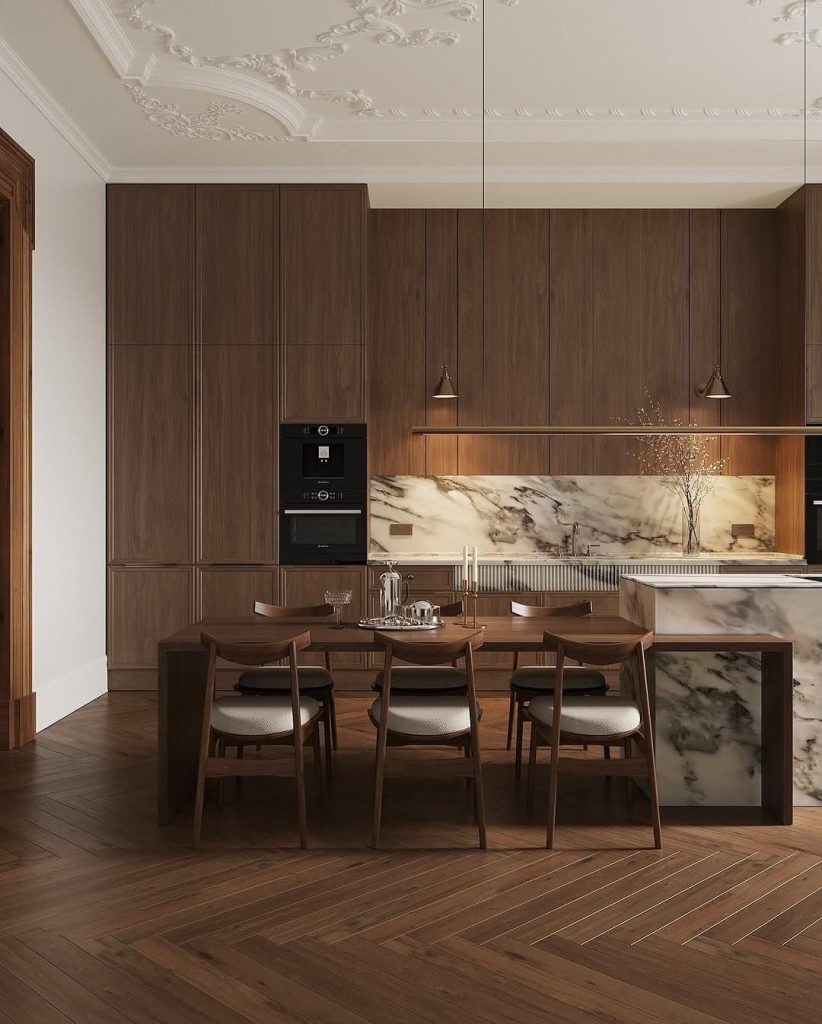
- Feature or pendant lighting for islands and dining areas
In Auckland homes, where natural light can vary significantly by season and orientation, lighting planning is not a luxury — it’s essential for comfort and usability.
3. Underestimating Space Around Appliances
Cramped kitchens aren’t always small kitchens — they’re often poorly planned kitchens. Common issues include fridge or dishwasher doors blocking walkways, ovens clashing with drawers, or insufficient landing space beside appliances.
We plan kitchens so that:
- Appliance doors can open fully
- Two people can work without colliding
- Benchtop space supports how you cook, not just how the kitchen looks
These details are difficult to fix once cabinetry is installed, which is why layout decisions should happen before materials are locked in.
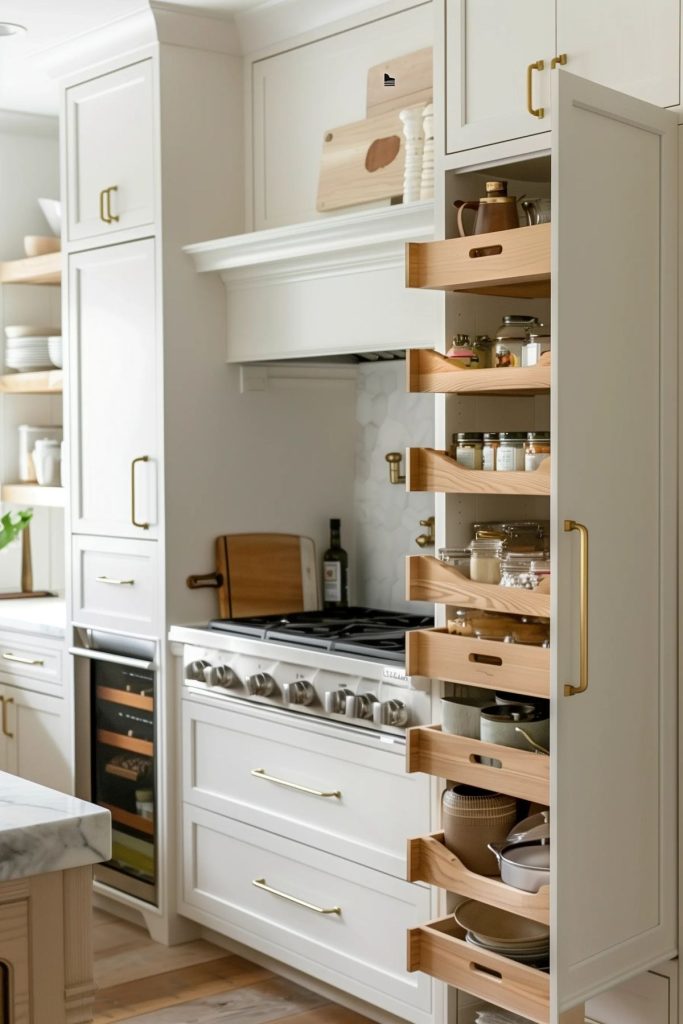
4. Not Planning Enough Storage (Then Living with the Consequences)
One of the biggest regrets homeowners share is not allowing enough storage. When storage is underestimated, benchtops become cluttered, and the kitchen quickly feels chaotic.
Smart storage isn’t about adding more cupboards — it’s about designing the right storage:
- Drawers instead of shelves where possible
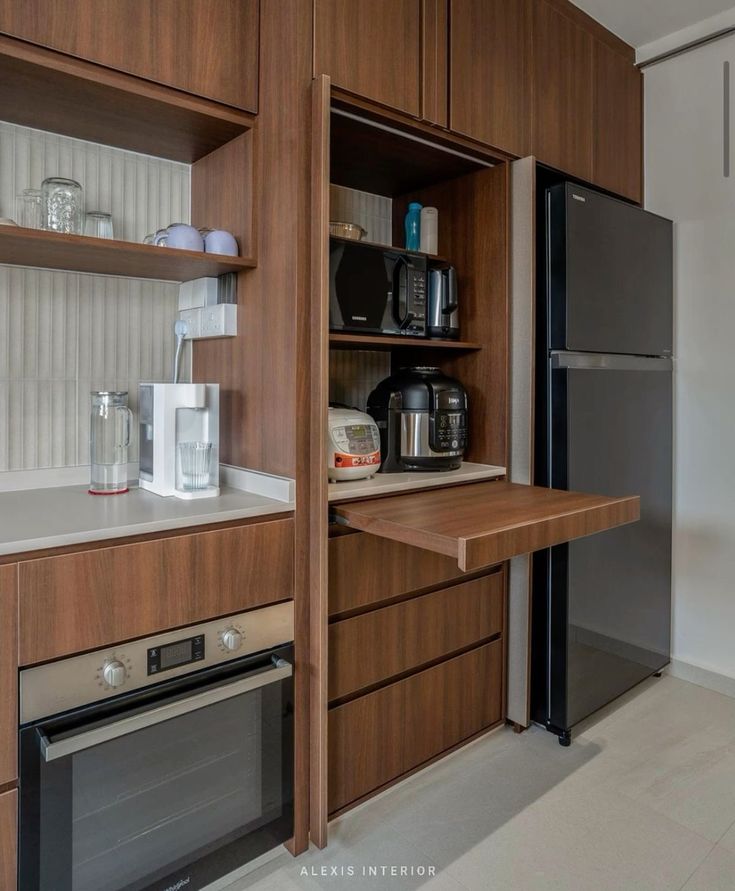
- Dedicated spaces for bins, small appliances, and pantry items
- Storage that matches your cooking habits
This is especially important in Auckland homes where open-plan living means kitchen clutter is always visible.
5. Poor Appliance Placement
Oversized or poorly positioned appliances can disrupt both workflow and aesthetics. Common issues include fridges that protrude into walkways or microwaves and wall ovens interfering with cabinetry use.
Good appliance planning balances:
- Size and scale of the kitchen
- Ergonomics and accessibility
- Visual integration with cabinetry
We often help clients downsize or reposition appliances to improve flow — without sacrificing performance.
6. Forgetting Ventilation and Services
Ventilation is often overlooked, especially in renovations. Gas cooktops and high-output induction units require proper extraction to perform safely and effectively.
Likewise, insufficient power points, poorly placed switches, or no allowance for future appliances can limit how your kitchen functions over time. These are small decisions that have long-term impact — and they’re far cheaper to plan early than retrofit later.
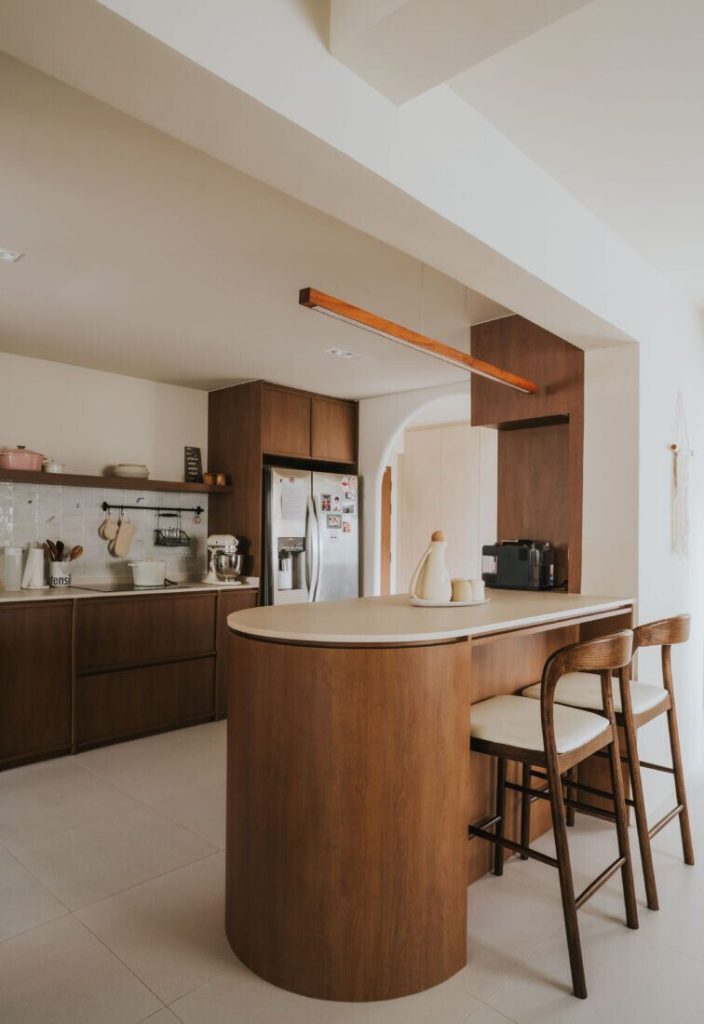
7. Forcing an Island Where It Doesn’t Belong
Kitchen islands are popular — but they’re not always appropriate. In tighter Auckland homes, squeezing in an island can create traffic bottlenecks and reduce usable space.
Sometimes a peninsula, breakfast bar, or reconfigured bench provides better results. The right solution depends on how many people use the kitchen, how it connects to adjacent spaces, and how circulation works through the home.
8. Assuming You Need a Completely New Layout
One of the biggest misconceptions is that a successful renovation requires starting from scratch. In reality, many existing kitchen layouts were designed around practical constraints like doors, windows, and plumbing locations.
We never automatically dismiss an existing layout. Often, small changes — opening a wall, adjusting cabinetry, or adding an island — deliver major improvements without the cost of relocating services. This approach can save tens of thousands and reduce renovation risk.
9. Ignoring Vertical Wall Space
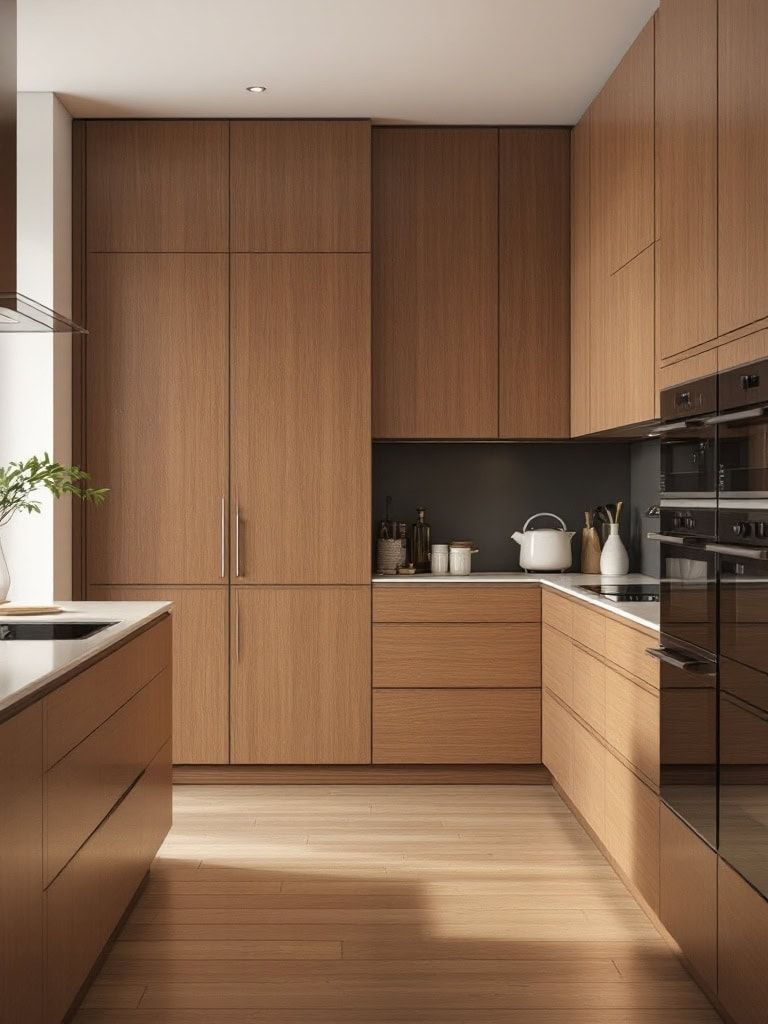
In compact kitchens, wall space is valuable storage real estate. Stopping cabinetry short of the ceiling often wastes space and creates dust-catching gaps.
Taking cupboards to the ceiling increases storage and creates a more finished look. If full-height cabinetry feels too heavy, mixing closed storage with open shelving can balance practicality and aesthetics.
10. Making Decisions Too Late
The most expensive kitchen mistakes happen when layout decisions are made after design, quoting, or construction has already started. At that stage, changes often mean delays, rework, and added cost.
Early design clarity leads to:
- Better budgets
- Fewer compromises
- A kitchen that works long-term, not just at handover
FAQs: Kitchen Layout Mistakes
1. Do I really need professional help for kitchen layout planning?
If you want the kitchen to work well long-term, yes. Layout mistakes are hard to see early and expensive to fix later. Professional planning helps avoid regret and ensures your investment is protected.
2. Is it cheaper to keep my existing kitchen layout?
Often, yes. Retaining plumbing and electrical locations can significantly reduce costs. The key is knowing when a layout works — and when it doesn’t. That judgement comes from experience.
3. When is the best time to get advice on my kitchen design?
Before you finalise layouts, cabinetry, or appliance selections. Early conversations save money, reduce stress, and lead to better outcomes.
Why Talking Early Matters
A kitchen renovation is a major financial decision — and it should feel considered, not rushed. If you’re unsure about your layout, storage, or whether your ideas will actually work in your space, that uncertainty is a sign to talk early, not later.
At BoxMakers, our role isn’t to push designs — it’s to help you make confident, informed decisions that suit your home and how you live.
A well-designed kitchen isn’t just beautiful. It works — quietly, efficiently, and every day.
Sources:
https://www.homesandgardens.com/kitchens/kitchen-layout-mistakes