
A subtle alternative to the lurid viscosity of maximalist expression, the world of interior design sought a new, yet inherently familiar trend in Japandi. A natural fusion of two thematically agreeing styles, Japandi is a subtle meld of Japanese and Scandinavian (Scandi) design.
As a progenitor of minimalist architecture, Japanese design sensibilities planted seeds in many of the 20th century’s trending styles, including both western minimalism and Scandinavian interiors. Much of Japan’s aesthetic roots stem from the combination of wabi (侘) and sabi (寂), which can be interpreted as the “beauty in imperfection”, among different meanings. While summarising it as such can’t quite do it justice, we will leave it there for the sake of brevity. This underlying ideal forms the foundation of their style, which is best known for simple designs, light tones, natural materials, and the omission of unnecessary ornamentation.
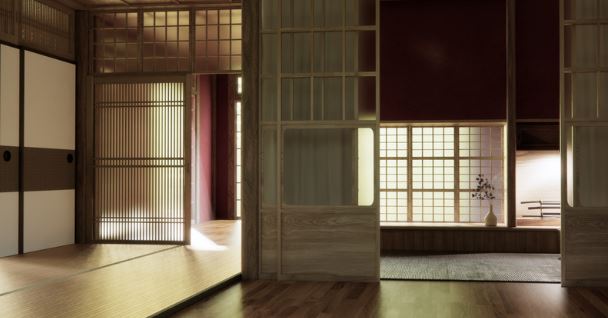
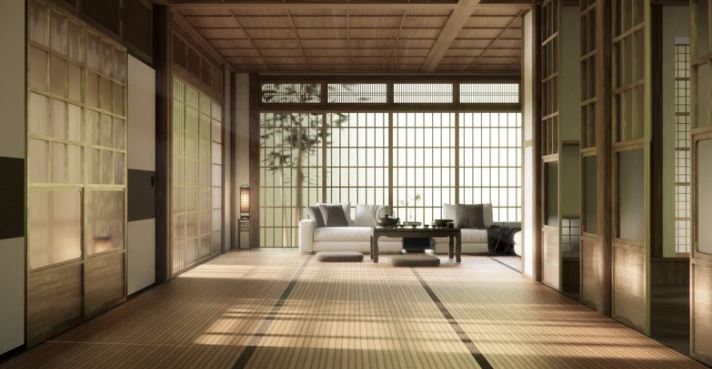
Scandinavian design emerged from the Nordic countries in the early 20th century. Its focus was oriented around functionalism and simplicity. Light wood features prominently in its palette, providing both natural patterns and airy tones. A major influence for modern biophilic design, Scandinavia’s focus on organic elements is a staple of their design principles. While its philosophical origins aren’t as spiritually rooted as Japan’s, Scandi architecture is nonetheless steeped in social values of equity, humanism, and sustainability. Perpetually relevant and unequivocally timeless, its proclivity towards natural elements makes it compatible with a variety of contemporary styles, especially as the world once again embraces eco-centric values.
So what about Japandi itself? A relatively recent phenomenon emerging out of the past decade, Japandi’s fusional characteristics draw from the aforementioned styles to create airy, functional, and tonally light spaces with a deep connection to nature. By blending Japan’s philosophically rich and simple yet intricately made materials with Scandi functionality, sustainability, and cosiness (hygge), we achieve a welcome marriage of two geographically distinct yet ideal-aligned styles. In common with each other, both champion the vitality of nature, minimalism, and open spaces.
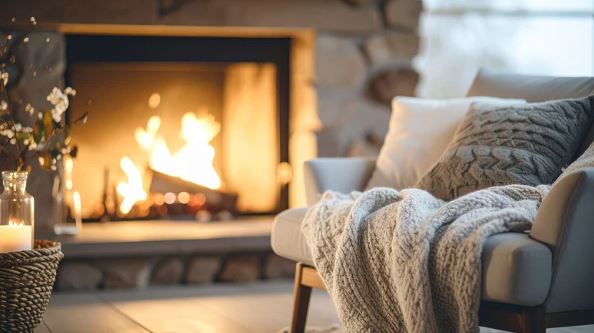
Japandi colours range from pastel whites, to warm beige, to dark chestnut. Green is often introduced via house plants. You may be familiar with shoji – Japanese doors or dividers that feature a paper grid arrangement. These delicate yet beautiful panels can be easily integrated into Japandi design, making for excellent dividers or decorative features. Slatted wall designs are also common, with dense vertical columns being evocative of both traditional Japanese joinery and Nordic timber cladding. It balances both modernity, with its minimalist design and naturality, with its forest-like imagery. Blend with Scandinavia’s use of cloth, curves, and coziness for incredible beauty and comfort.
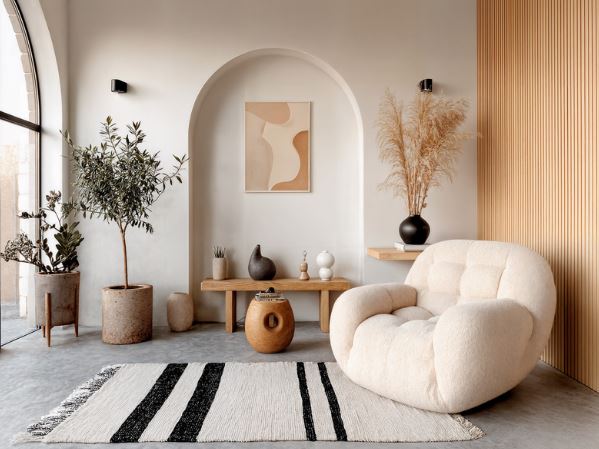
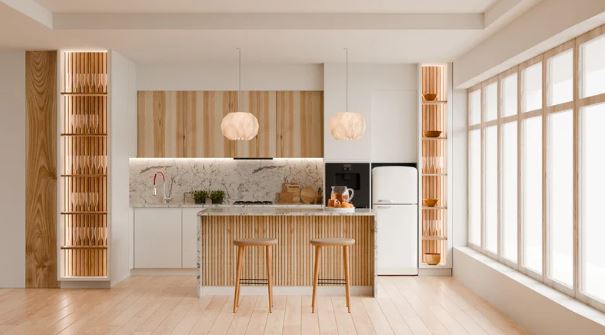
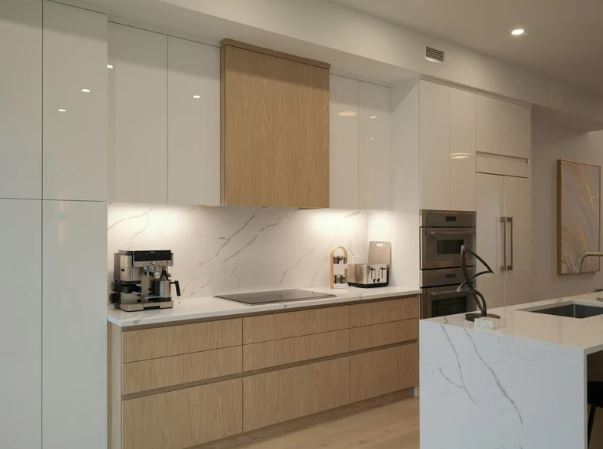
While often seen in living spaces, Japandi design is also incredibly competent for kitchens. With handleless rectangular cabinetry, light wood aesthetics, and plenty of open space, the possibilities are endless. Cleverly, you can also pick a white benchtop with gold veins for a pseudo-kintsugi aesthetic. Sparsely decorate with plants in earthily-toned pots and rounded pendant lights for a balanced Scandi influence.
Rapidly gaining in popularity, Japandi is winning over the hearts and minds of homeowners across the world. So why has it taken over so quickly? With world-leading cultural influence, it comes as no surprise that Japan’s influence has reached so broadly – but Japandi isn’t popular because it stems from a cultural juggernaut; its virality has since been built towards by both its individual counterparts and western minimalism. Combine this with eco-friendly values and a reignited passion to be closer to nature, Japandi offers comfortable modern living and acts as a middle ground between the trifecta of minimalist, modernist, and biophilic design, all while steeped in multicultural ties. Its timeless nature appeals to people of all ages and is sure to stay relevant long into the future.
Japandi’s dual-heritage makes it an incredibly versatile style, both decoratively and functionally, especially here in New Zealand, where our coalescence with the outdoors is inherent. By forming a hybrid of two like-minded ideologies, Japandi perfectly melds modernity, comfort, and naturality.
Sources:
Japandi: The beautiful marriage between Japanese and Nordic design | Architectural Digest India