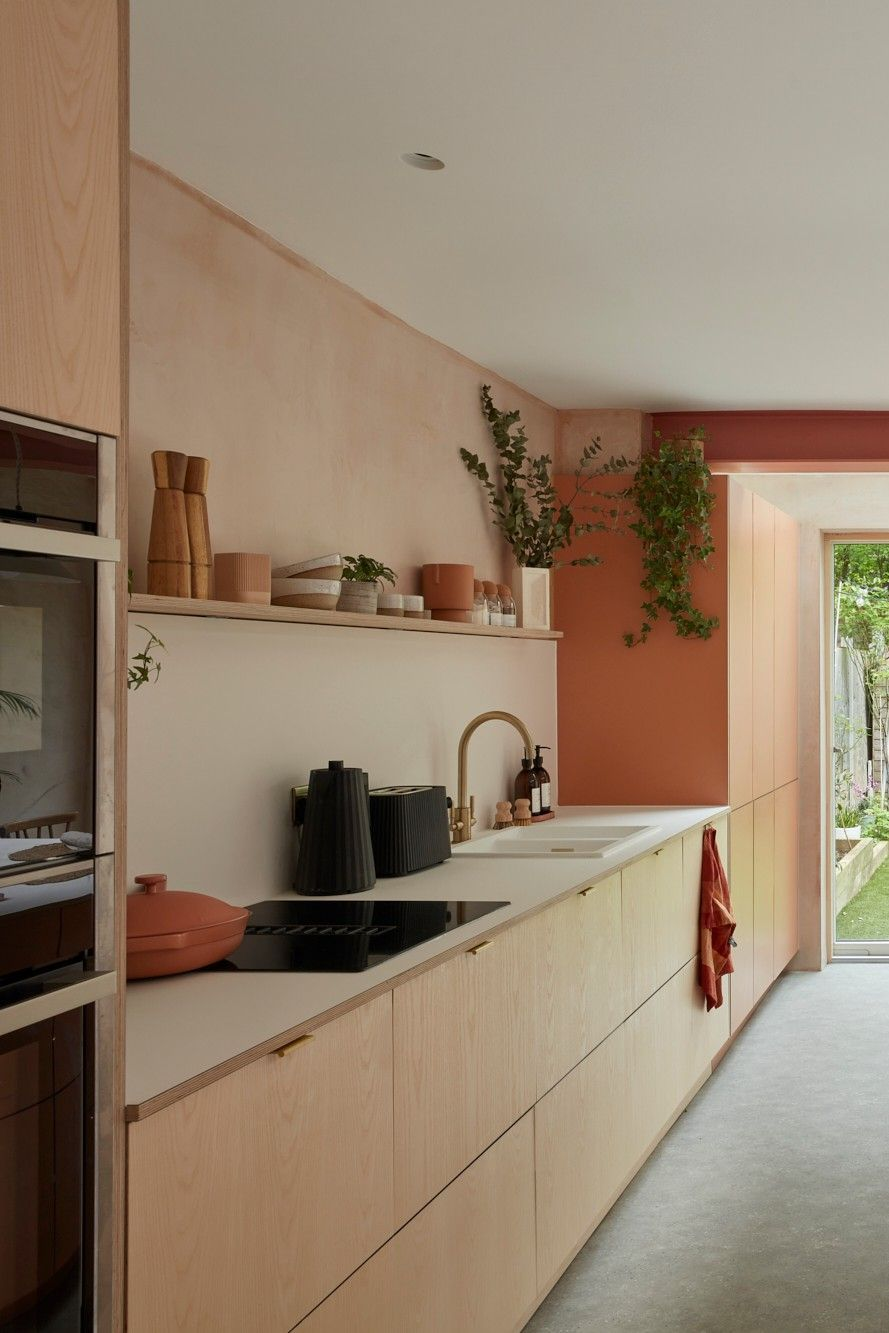
Category: cabinet story

  • How to Communicate Your Design Vision

    How to Communicate Your Design Vision

    Have you recently begun plans to renovate your home? Seeing your vision brought to life is one of the greatest joys of being a homeowner. The role of an interior designer is to help manifest it practically. Planning out your dream with a designer can be a highly reflective, engaging, and rewarding process. The path to realising your vision often involves discovering more about yourself, but this path isn’t a one-sided effort: here are some of the best ways to make sure your designer dreams the same dream you do.

    Consultation

    The initial stage involves some of the most essential building blocks of any project. With these, the designer can understand what needs to be done, and when. When first meeting with your designer, be sure to bring these to the table.

    Scope

    Determine how big your project’s going to be and what’s to be changed. If you’re doing a kitchen renovation for example, do you need to tear down walls or redo floors? Will the layout as a whole change, or stay the same?

    Timeline

    Think of when you would like your project to be done. Knowing your scope can help with the estimate. While it may not be set in stone, this can help your designer gauge your scale and set expectations.

    Budget

    Also largely influenced by your scope, consider how much you’re willing to spend. This gives your designer a target, and they’ll let you know if the discrepancy is too big.

    Vision

    Perhaps what has influenced you most on your renovation journey, think about your motivations for change. Is it for practical purposes? Did you come across a particularly striking design? Feel free to share whatever inspired you – it could be anything from an Instagram post, a mood board you found on Pinterest, or perhaps you’ve been swept by the Scandinavian sensation after a bustling IKEA visit.

    Collaboration

    By the time you’ve hired a designer and are actively working with them, it’s finally time to let all your ideas loose. It’s perfectly fine to let the designer fill in the gaps for aspects you’re unsure of; what’s important is both parties being on the same page.

    Pet friendly interior design

    Lifestyle Needs

    At this stage, you can convey all of your non-negotiables and personal requirements. Are you someone who enjoys the quiet life? Does your family have staggered wake-up times? Consider some acoustic panels to dampen sound transfer. Maybe your kitchen is too cold in the morning – now’s the perfect chance to upgrade your windows. Will the shape of your kitchen benchtop make it hard to move in and out?

    Feel free to share your concerns with your designer – they can suggest some valuable solutions

    Providing Sketches

    If you’ve been thinking hard about the layout and have mapped out your vision – good job! It can provide a strong kick off point to launch the design process. Keep in mind that this will often evolve and change as the designers refine them into professional plans. Make sure to highlight your priorities and note what elements are still open to interpretation. Talk your designer through your thoughts, and when they provide their versions of the plan, be sure to clarify anything you’re unsure about.

    Simple interior design sketches

    Bringing Your Idea

    When it comes to renovations, you’ve probably put a lot of thought into the colours and materials. Whether it’s a Japandi living room or a transitional style kitchen, think about the elements that resonate with you most and communicate them. If you’re still unsure about the style you’re after, pick some images or look for some Pinterest boards that really resonate with you, otherwise simply asking for a “modern” kitchen could yield drastically different results from your expectations.

    Pinterest mood board

    Terminology

    While your designer will do their best to convey everything so that the two of you understand, getting to know some of their jargon can bridge any gaps in communication. A quick Google search can clear up much of the terminology and you’ll be able to use it to deliberate concepts & ideas better.

    Honesty

    If you disagree with something the designer suggests, don’t stay silent and assume it will work out; it might end up bothering you after the work is complete. Don’t be afraid to express your feelings – your designer will always be ready with alternate suggestions. Make sure your assumptions have been clearly addressed. If you expect your cabinets to come with soft-close hinges, for example, check that they’re listed in the project or with your designer.

    Listening to Feedback

    Professional designers are well-versed in knowing what works and what doesn’t. If they say that your layout isn’t ideal, or if your chosen styles clash, be sure to lend an ear to their advice. Balancing aesthetics, function, and feasibility is their job. Keeping open communication with them and taking feedback is the key to making the best space possible.

    Expecting Changes

    Not sure if you’re going to live through your renovation at home? Ask your designer for their recommendation, or check out this handy guide on how you can make the most of a live-in renovation.

    By the time you’ve finalised your design, you’ll likely have learnt more about yourself. It’s as much a journey of self-discovery as it is renewal. In transforming your home, you’re actualising the self and painting reality with your vision – that is the product of a good, collaborative design effort.


    Sources:

    How to Present Your Design Ideas to an Interior Designer | Houzz NZ

  • Bright, Natural, and… Tasty? Growing Summer Garden Trends

    Bright, Natural, and… Tasty? Growing Summer Garden Trends

    Are you looking to inject some life into your garden this summer? Gardening and landscaping in New Zealand can be a highly rewarding experience: seeing your efforts blossom into flowers, fruits, and trees is a manifestation of your hard work. It’s something that can impress guests, brighten your backyard, and even fill up your fruit basket. Whether you’re a green thumb or just starting out, find out what everyone’s looking for this summer!


    Edible Gardens

    An ever-relevant mainstay of New Zealand backyards, working to see your efforts bear fruit is always a rewarding choice. Featuring plots, trees, and hedges, you can grow a variety of edible plants all in your backyard – and look good while doing so. Choose raised beds for your plots, ideally with complementing frame colours.

    Espalier Pear Tree

    With NZ homes growing ever smaller, consider practicing espalier (image on the left), where the branches are pruned and tied to a frame, talking up less real estate while opening up room for aesthetic combos. Apples, pears, and mandarins are a great choice that not only inject colour, but reward with yummy fruit. For freestanding trees, lemons are a highly versatile option, while lime trees can be planted in warmer regions.

    Hedges are a great way of filling out the space against your fence. They can disguise your backyard boundary and make it appear larger than it actually is. Having a hedge you can eat? Even better! Blueberries, feijoas, and even passionfruit can make for amazing hedge walls. Many climbing plants are idea for adding some colour and deliciousness into your garden. You can also consider incorporating potager elements – a kitchen garden with French origins. Plots with vegetables and herbs can supplement your cooking with homegrown additions – something you can proudly announce to guests.

    Potager Garden
    Potager Garden

    Native Plant Gardens

    With New Zealand’s iconic collection of flora, it comes as no surprise that our wildlife has been admired by people all over the world. Our native plants carry with them a unique sense of identity and cultural image, while their diversity makes them more than capable of creating endless garden combinations. Flax can be a great partner for deck-side display, while Nikau Palms can bring a unique shape if you have the room. The Hen and Chickens Fern is a good choice for adding some fluffiness, while the Rengarenga Lily can break up your garden with starry, white arrangements.

    New Zealand Native Plant Garden

    Dynamic Colour Gardens

    Bold and maximalist, growing vibrant gardens has been incredibly popular throughout generations. With lush, eye-catching hues, this garden is all about expression. From the rich reds of NZ pōhutukawa to the sunny energy of kōwhai, native species are quite capable of enriching your day, but when it comes to going all out on colour, we won’t need to limit ourselves to our homegrown offerings.

    Going international, our options are multicoloured – jumping from cuddly pink rhododendrons, to fuzzy and playful lavender, your options for a chromatically enriched garden are virtually limitless. Just be sure to take a look at what species are restricted in New Zealand so you don’t get disappointed.

    Maximalist Garden

    Outdoor Living Integration/Container

    It comes as no surprise that many New Zealanders are opting to extend their homes with a charming deck or some concrete pads. This can open up a lot of living space at the cost of greenery and it can be quite worth it if you’re big on BBQs and outdoor gatherings. By adding pergolas, fire pits, and canopies, you can bring the comfort of sheltered living while enjoying the summer breeze. Consider integrating stepping stones, gravel paving, or bark paths to show the way while minimising concrete use. Add some crawling vines, outdoor LEDs, or even water fixtures to create an elegant modern hybrid that takes on a new look at nighttime.

    Drought-Resistant Gardens

    If you’re a fan of evergreen plants and year-round beauty, choosing a drought-resistant garden can be an ideal choice.

    Mediterranean Garden

    These gardens are composed uniquely with species that can tolerate low-moisture periods and will be able to show their best even in the driest of seasons. New Zealand’s unknowable weather, such as Auckland’s historic 40-day dry spell in 2020, gives credence to keeping low-maintenance gardens. New Zealand flax is a good choice, as is Mānuka, rosemary, and various species of sage. With careful selection of plants and materials, you can also make a Mediterranean garden since they share the same drought-tolerant nature. Different species have different tolerances to drought, so keep an eye on the level of commitment required.

    Gardening is not just a hobby – it can be an escape from the busyness of life, a channel for your emotions, and a rewarding treat for both yourself and your guests. The transformative power of a garden cannot be understated, being able to change your backyard into a decadent living space or a vibrant wonderland, and with all the positive effects associated with greenery, it can refresh your mind and body. Whether you’re after container gardens, lush greenhouses, or dense native displays, there’s a trend for everyone – pros and beginners alike.


    Sources:

    Designer vegetable garden: how to make your edible plot look better than ever | Stuff

    8 Gardening Trends Taking Over in 2025, From Maximalism to Edible

    Hedges made of fruit trees – and how to grow them | Stuff

  • How to Complete Your Home with Indoor Plants

    How to Complete Your Home with Indoor Plants

    A longtime staple of interior design, housing indoor plants has stayed not only relevant, but integral as part of a home’s atmosphere. The term “mise en scene” is commonly used in film to refer to all that encompasses a shot – from the props to the lighting and costumes – everything within is used to achieve “completeness”. If this were applied to your home’s interior, then plants are a core component of that same process. They coalesce with your walls, floors, furniture, and décor to uplift the space and “complete” the scene.

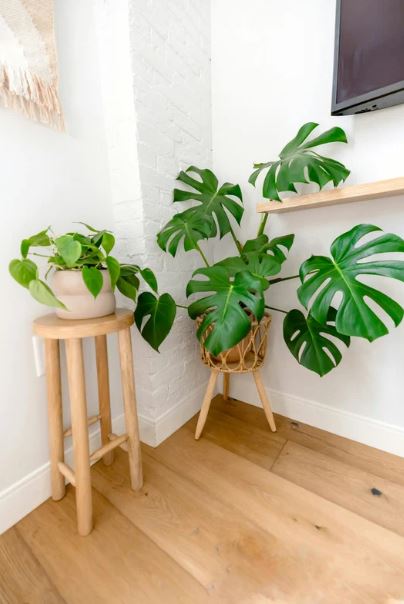
    Big tropical indoor plant

    So What Do Plants Do?

    The flora and greenery of the great outdoors is something that brings relief, calmness, and a sense of connectivity with the world around us. Having indoor plants allows us to capture a slice of that feeling, and use it to bring the homes we live in to life. Depending on the plant, you can evoke freshness, vibrance, or even playfulness. They can relieve stress for the self, convey your personality, and help balance a room’s humidity. Small plants provide a cute and subtle accent while larger plants can be used as presence pieces that draw attention.

    How Do I Use Plants in a Room?

    Incorporating plants is all about nuance over noise. Good usage is often described as “punctuating” a room, symbiotically working with the interior to elevate one another. Avoid overwhelming a room for the sake of it – a single plant in the right position is better than many crammed throughout. Experiment with different positions – you’d be amazed how many work well. Because of their organic nature, it’s a good idea to use odd numbers of plants in a room non-symmetrically. This helps to replicate their sense of naturalness. Tall plants always work well as corner pieces, mid-sized plants can pair with vanities or around sofas, and small plants thrive on shelves and coffee tables.

    How Do I Choose a Plant?

    Shape, size, and colour are king when it comes to finding the right plant. Partnering slender plants against the sides of furniture is always a good call. They call also be used to spruce up entryways. When considering shape, think about what you want to pair the plant with. You can also mull over its silhouette, and whether or not its profile overwhelms or is invisible against your interior.

    Plan for how big the plant can get, and how it might look when mature. Does the plant flower? Will a change of colour complement or oversaturate the room? Some plants also have more involved care routines than others. Think about whether you want something that needs nurturing or minimal attention.

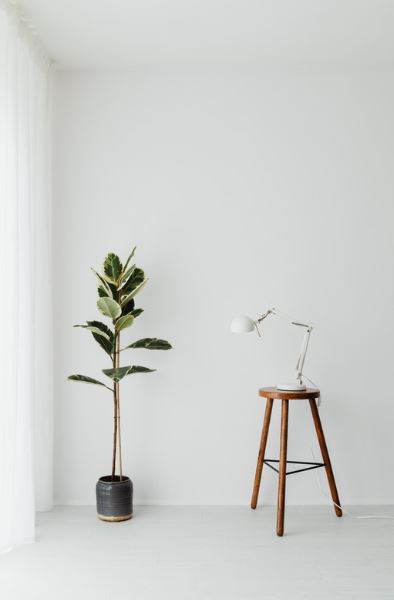
    Japandi plant style

    What About Plant Care?

    Gardening and plant care can come very differently to each person. Some might see it as rewarding and enjoyable, while others may view it as a chore or burden. Being open to a deeper care routine frees up more choices in plant variety, but is entirely optional to get a good-looking assortment. Many species can thrive with minimal attention, but even the toughest need a good position. Managing sunlight is imperative for a plant’s success. Succulents, for example, thrive under direct sunlight, while peace lilies and philodendrons would like to avoid it.

    How Should I Choose a Pot?

    Your plants’ vessels can be as simple or as complex as you want them to be. Going in to your local thrift store or department store can fetch some surprisingly elegant solutions. The prevalence of indoor gardening has made a broad range of planter designs available. Just like with the plant itself, choose a colour that befits your space. Eccentric or tubular designs can be used for modern, bubbly interiors, while brown and bulbous vessels are great for injecting an old-school feel. If you’re feeling adventurous, dabbling in pottery can be great for personal expression, regardless of your skill level.

    Overall, indoor plants are an incredibly prevalent piece of your home. With an abundance of varieties, there is a fit for every interior and every person. Whether you’re after sizable sculptural statements or small, subtle supplements, adding a touch of greenery is sure to inject both vitality and elegance to complete your home.


    Sources:

    How to Display Indoor Plants | Houzz AU

    How to Elegantly Integrate Indoor Plants Into Your Home | Architectural Digest

    Images:

    https://linkmix.co/47296026

    👉 Get in touch with us today to have us help you design your indoor greenery

  • Can Your Home Colour Heal You?

    Can Your Home Colour Heal You?

    Have you ever shied away from a top colour that was a little too loud? Your decision may be tied to a lot more than you think. Whether you’re aware of it or not, colours can have a significant effect on your mood. Notably, colours can also have a healing effect – both physically as well as mentally. Here’s how you can apply colour therapy to your home for a renewed day to day perspective.


    Effects of Colour Therapy

    Innately tied to our emotions, colours can affect the way we think and the choices we make. Every colour from purple, to green, to black come with their own associations and effects, affecting us unconsciously. Red, for example, is associated with empowerment, with strong positive and negative emotions, while blue is more mellow, and linked to a modest positive response. Much of this is due to our brain’s visual processing, in which different wavelengths can stimulate different neural pathways, and it can be tied to personal experiences too; your childhood colour associations can stick with you lifelong.

    Why Colours Can Heal

    When it comes to healing, Roger Ulrich’s 1984 study connected natural views of greenery to a positive outcome in patient recovery rate and level of medication required. Green as a whole is linked to healing, especially when combined with natural elements such as those found in biophilic design, which is also the reasoning behind its use in hospitals to contrast against the white backdrop. For mental healing, blue is commonly regarded to have restorative effects, and is often found in classrooms, therapy spaces, and bedrooms. A pastel pink can also help with emotional recovery, being a nurturing colour.

    How You Can Apply Colours

    We all know how difficult picking a colour can be, especially for a long-term decision like your walls. After all, you’re going to be seeing it for the foreseeable future. The monumentality of this choice also stems from the emotive hints you’ll be getting. A yellow wall can promote happiness and optimism, while orange injects energy into the mix. If you don’t feel too comfortable painting your wall to look like an energy drink can, you can always accessorise your rooms with colourful elements. Paintings, plants, and ornaments can have a profound effect in not only injecting some emotion, but also livening the space as a whole. Warm and cool lights can represent your colours differently, while smart bulbs can create the colour themselves.

    The use of colour is all around us, and it can, and has been, used to great effect. Whether you’re looking to energise, heal, or meditate, there is a perfect colour for everything. Here are some typical associations with common colours:

    Red: Strong energy, passion, aggression

    Blue: Calming, peaceful, intellect

    Green: Healing, nature, brightness

    Yellow: Happiness, joy, sunshine

    Orange: Energy, playfulness, humour

    Purple: Mystery, regality, cheekiness

    White: Relief, truthfulness, innocence

    Black: Strength, intellect, secrecy

    👉 Get in touch with us today to book your first free consultation.


    Resources:

    How Color Psychology Affects Moods, Feelings, and Behaviors

    The healing power of colour

    How Colour Can Affect Your Physical Health | Houzz NZ

  • Cave Core: Humankind’s Longest-Awaited Interior Design Comeback

    Cave Core: Humankind’s Longest-Awaited Interior Design Comeback

    While you may have heard of “man cave” hobby rooms, this emerging design trend is a little more literal. Having been out of style for a short period of only 150,000 years, cave living is making a comeback – only this time, with a few more modern amenities.


    Aptly dubbed “Cave core”, this regression takes us back over a hundred millennia, bringing forth highly geological, rugged, and crystalline elements. Thematically, the focus is on naturality and rawness via the application of rounded, textured, and archaically distinct elements. A bit more realistic than living in an underground lair, this modern interpretation is more about injecting your home with what the earth provides.

    Stone integrated steel table

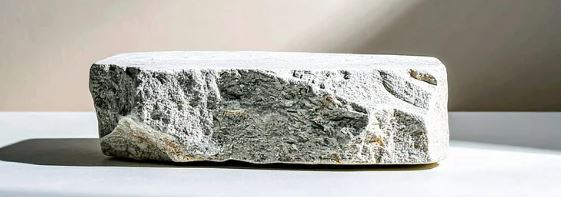
    Whether it’s a stone slab bench, a rugged fireplace hearth, or a literal rock in the centre of your home, this trend isn’t the most discreet, but it certainly packs a punch. It’s not limited to playing with rocks either: handcrafted earthenware, wood-carved décor, and irregularly shaped furniture all play a part in this Palaeolithic presentation.

    To truly stretch the imagination, resin-encased displays, rare stones, and flashy crystals can take your cave to a higher level (or in this case, perhaps lower). Finding the right balance is key to creating intrigue and ambiance without turning your home into your local museum’s geology wing (unless that’s what you’re after). Even if you’re not a fan of caves, cave core’s natural touch can be freeing instead of claustrophobic.

    So why has Cave Core Come Out to Play?

    Architectural Digest cites a fatigue of perfection, largely stemming from the prominence of minimalism. Additionally, it can very well be a byproduct of the chaos and complexity of the ever-evolving modern world. Keeping up with constant change is draining. More than just a meme, rejecting modernity and embracing primitive cave living is all about making our at-home lives as simple and relaxing as possible.

    Relevant or Avant-garde?

    A prominent example of this is “The Rock” at Wellington Airport. Underneath its geological appearance and irregularly tiled geometry, the waiting spaces resemble the inside of a roomy cave. Hailed as bold, unique, and enigmatic, it displays a veritable trove of cave core qualities, somehow coming both before and after its time. Commentators have also called it a giant mecha-cockroach, so perhaps the world is not yet ready to embrace cave living. However, elements of “cave core” are already a central component of many design styles, notably in biophilic homes. Zen gardens also display prominently curated stone arrangements, dating back over a thousand years to Heian Japan.

    Implementing Cave Core

    Aside from simple rocks, coloured textiles, and shelf decorations, achieving a full-fledged cave core overhaul can bring a few challenges, namely price, maintenance, and availability of materials. Instead of high-upkeep natural stone, consider textured walls. For lighting, choose wall scones with warm colour temperatures to resemble torches – subtly positioned to highlight nearby textures, providing a comfy sense of intimacy. Choose a natural and earthy colour palette of moss, sand, stone, and terracotta. Modestly sized wooden or resin sculptures can line shelves, the same for small rocks and minerals – all of which shouldn’t be too hard on the wallet. If you’re desperate for a big rock, outdoor sitting boulders can be a great grounding sculptural piece.

    cave core modern interior design

    When done right, it can be a bold conversational statement and a comfortable way to simplify your everyday life. Tangentially related to biophilic design, this earthy style is yet another way to bring your home closer to nature, or rather, nature to you.


    Sources:

    https://www.architecturaldigest.com/story/caveman-core-design-trend

    https://uchify.com/cave-core-design/

    Images:

    https://linkmix.co/46977439

  • What is Japandi Design and Why is it So Popular?

    What is Japandi Design and Why is it So Popular?

    As an alternative to the bold and busy look of maximalist design, the interior world has shifted toward something calmer and more familiar: Japandi. This style blends the best qualities of Japanese and Scandinavian (Scandi) design into one clean, calming approach.

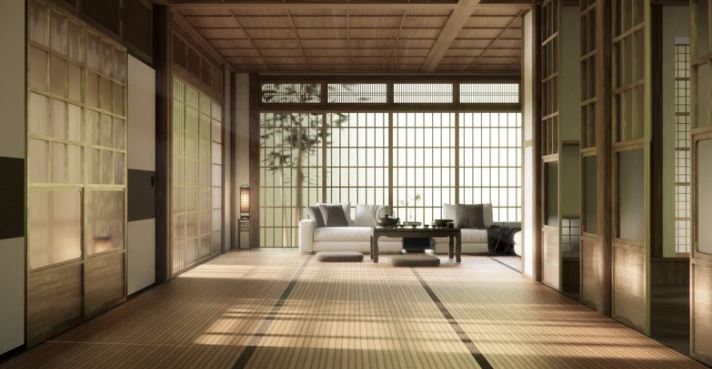
    Wabi Sabi Japandi Living room

    Japanese design has long influenced many modern styles around the world, including Western minimalism and Scandi interiors. A lot of Japan’s aesthetic roots come from the ideas of wabi (侘) and sabi (寂), often described as finding “beauty in imperfection.” While the concept is deeper than this simple summary, it forms the heart of Japanese style: simple shapes, light colours, natural materials, and the removal of anything unnecessary.

    Scandinavian design began in the Nordic countries in the early 20th century. It focuses on functionality and simplicity. Light wood is a key feature, bringing natural patterns and bright tones into spaces. Scandi design is also known for its use of natural elements, which inspired modern biophilic design. While it’s less spiritual than Japanese design, it is grounded in values like equality, comfort, and sustainability. Its timeless, nature-focused feel makes it fit easily with today’s eco-conscious lifestyles.

    So what makes Japandi special? Emerging over the last decade, Japandi combines these two styles to create bright, peaceful, functional spaces with a strong connection to nature. It brings together Japan’s handcrafted simplicity with Scandinavia’s focus on comfort, warmth (hygge), and practicality. Both styles value minimalism, natural materials, and open, breathable layouts — making their fusion feel seamless.

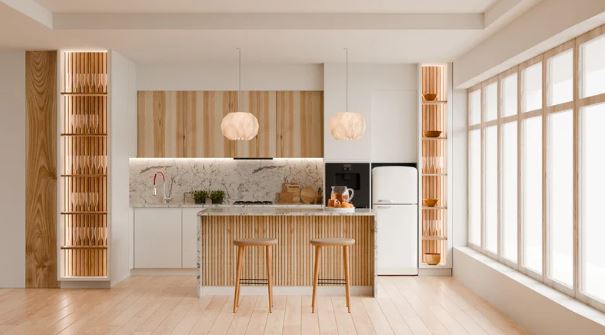
    Scandinavian kitchen design

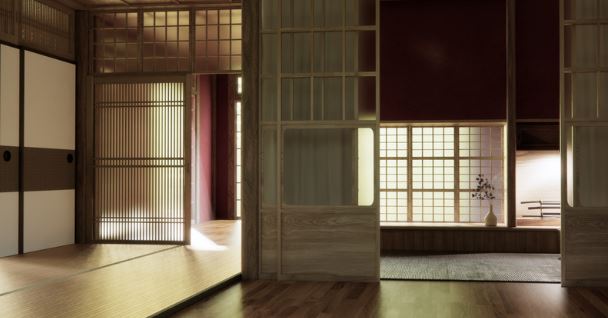
    Japandi colours range from soft whites to warm beige to deeper chestnut tones. Indoor greenery is often used to add natural contrast. You might recognise shoji — Japanese sliding doors made of wooden grids and paper. These light, elegant panels fit perfectly in Japandi spaces as room dividers or decorative features. Vertical slatted walls are also common, reminding us of both traditional Japanese joinery and Scandinavian timber cladding. This mix creates a look that is both modern and natural. Add Scandinavia’s textiles, gentle curves, and cosy atmosphere, and you have a truly balanced environment.

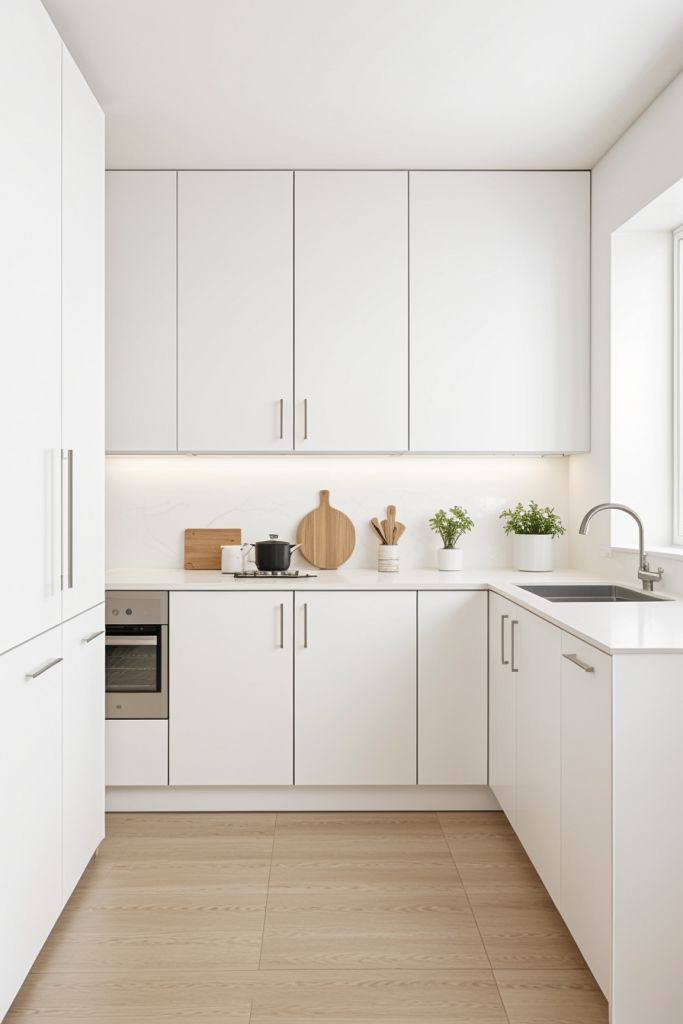
    Although often seen in living rooms, Japandi works beautifully in kitchens too. Think handleless cabinets, light wood finishes, and clean, open layouts. A white benchtop with gold veining can even give a subtle nod to kintsugi. Finish with earthy-toned pots, greenery, and rounded pendant lights for a soft Scandi touch.

    Kintsugi: the Japanese art of repairing pottery with gold.

    Japandi has grown rapidly in popularity — and it’s easy to see why. While Japan’s global influence plays a role, Japandi’s rise comes from the combined strength of both styles and the growing appeal of minimalist and nature-based design. It meets today’s desire for sustainable, calming, and modern living. With its timeless look, Japandi resonates with people of all ages and is likely to stay popular for many years.

    With its dual heritage, Japandi is a versatile and adaptable style — especially in New Zealand, where indoor–outdoor living is part of our culture. By blending two like-minded design philosophies, Japandi creates the perfect mix of modern style, comfort, and natural warmth.


    Sources:

    Japandi: The beautiful marriage between Japanese and Nordic design | Architectural Digest India

    From Japandi to Japanese Craft – The Trend Curve™

    Natural Materials in Scandinavian Design | The Modern Dane

  • How Your Home Can Affect Your Mood

    How Your Home Can Affect Your Mood

    Does your home ever make you yearn for a change in scenery? While being nice to look at is certainly one of the values of home design, it extends far beyond that. As realised by many during the tumultuous lockdown period, prolonged homestay sessions can be a revelatory experience in identifying both its strengths and weaknesses. Depending on its design, it can have profoundly different effects on your mood and mental outlook.


    Air & Light

    While designing for beauty and designing for happiness may seem similar, they very much have differing goals, and good homes are able to channel the best of both worlds. You may not even notice the elements that make your home a joy to live in, and conversely, those that bog it down. Light is first and foremost when it comes to a joyful home – natural light especially.

    Part those curtains, open the windows, and connect yourself with both natural air and light. As sunlight boosts serotonin, a mood regulator, having an ample arrangement of windows is vital for positive design.

    Biophilic Design

    In keeping with the trend of outdoor connectivity, incorporating biophilic design sensibilities can be incredibly useful elevating your mood. Natural elements such as greenery, water, and sunlight are cited to have a restorative effect on the mind. These organic contributions are notable for reducing stress by lowering the body’s cortisol levels, often known as the stress hormone.

    When homeowners couldn’t bring themselves to nature during Covid, some chose to bring nature to them. Even if many don’t realise, this inclination to maintain contact with nature is taught through your body’s positive associations with it. By surrounding yourself with elements such as potted plants, natural wood, and earthy tones, you can make your home the perfect place for stress release and unwinding. For a truly transformative experience, birdsong, water features, and a garden can maximise natural connectivity.

    Spaces of Comfort

    One of the best parts of being outdoors is the freedom it provides, especially here in New Zealand; vast stretches of nature, endless oceans, and the raw feeling of limitlessness. While you may not be able to fit the entirety of Milford Sound into your backyard, the concept of openness remains the same. Much of the reasons behind the popularity of open floor plans is the connectivity they provide. Fewer walls mean reduced barriers, easier flow, and more sunlight.

    While home layout is important, a personalised interior can be just as helpful. Family photos, cute decorations, and your favourite colours are important for an individualised experience. Everyone’s preferences are different, but expressing a bit of yourself into your home’s look can really make it feel elevating. Even the most expensive, luxurious, and glamorous home can feel ice cold if it doesn’t offer a personal touch.

    In creating a home that recursively reinforces positivity, introducing natural elements can do wonders; whether it’s though natural air and light circulation, or a veritable forest of greenery. Plants aren’t just there to look pretty either – they provide a healthy boost to air quality and indoor humidity while also giving you an edge in productivity and creativity. While it may not match the breadth of true New Zealand nature, a few small changes can make a big difference.


    Sources:

    https://www.smh.com.au/lifestyle/life-and-relationships/is-your-house-making-you-sad-this-guide-to-anti-depressive-living-will-help-20250606-p5m5hg.html

    The Effects of Biophilic Design on People’s Psychological Outcomes: A Review of Literature

    A 20-minute nature break relieves stress – Harvard Health

  • Make Your Kitchen Feel High-End on a Budget

    Make Your Kitchen Feel High-End on a Budget

    Often notorious for being the most expensive amongst interior work, pricing a kitchen renovation can be a scary process, especially if your ambition outpaces your budget. This was the case for many decades, where it was only possible to get high-end looks with high-end spending – but no longer. Getting a film-worthy kitchen is more viable than ever.

    Attaining a pricey-looking kitchen for cheap is all about distributing your budget. For a typical kitchen, you should put an emphasis on visuals. Walk through your kitchen as though it were an open home – what do you first see? The elements that take up the most visual real estate are the cabinetry and benchtop, then the lighting and splashback. A premium-looking kitchen revolves around aesthetic investment. This also works incredibly well for boosting your home value.

    Here are some tips for the most essential parts of a kitchen:

    Benchtop

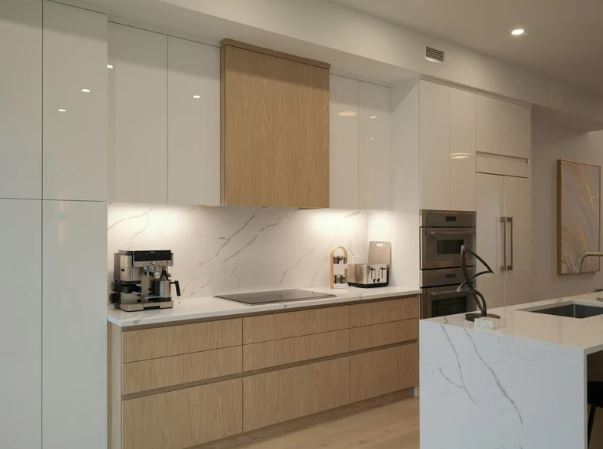
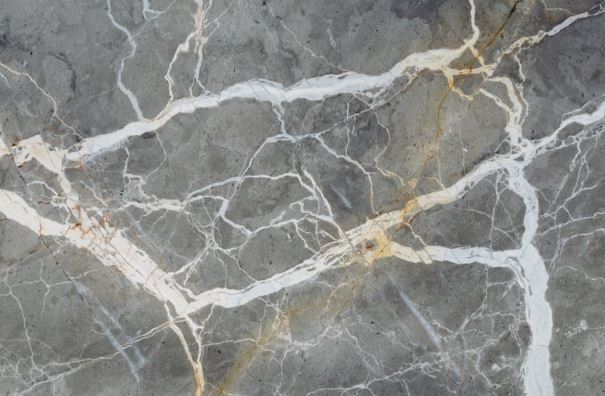
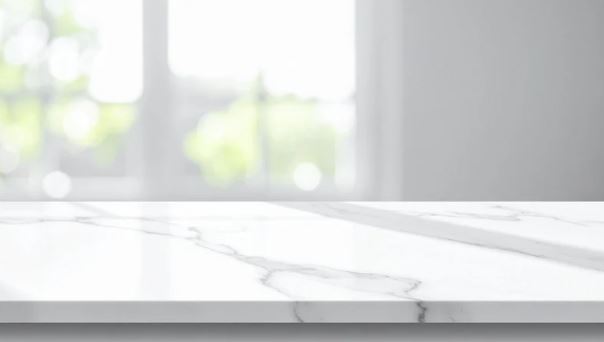
    Getting the look and feel of genuine imported Italian marble used to be a costly endeavour. With engineered stone, you get superior durability and usability while accurately replicating the mesmerising tones and intricate weaves of Calacatta or Statuario – all for a fraction of the price.

    Cabinetry

    Consistence and modernity are key to making your cabinets punch above their weight class. MDF is a reliable core material, and can support an incredible range of surfaces from realistic veneers to glossy laminates. It can be an affordable combination for shiny cabinets in your colour of choice.

    Lighting

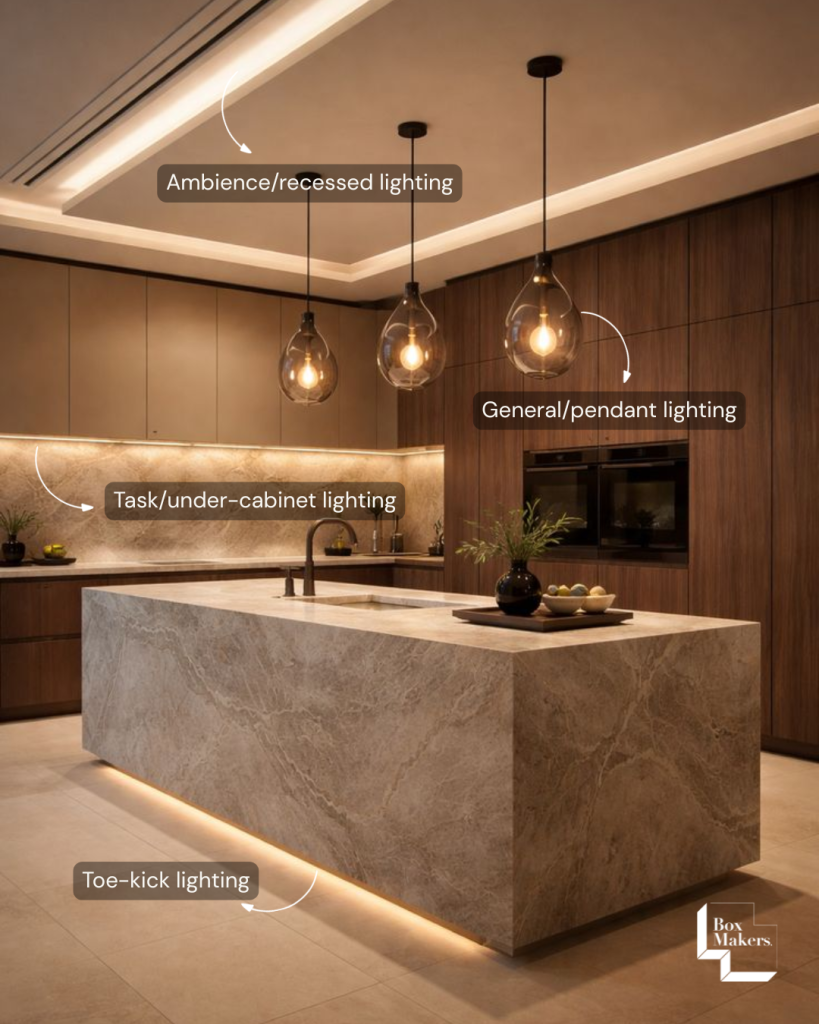
    Often overlooked as an optional kitchen accessory, good lighting can practically transform your kitchen. Pendant lights, under-cabinet lights, and toe-kick lights can seriously give the impression of a premium kitchen while adding practicality. Even a handful of select, budget-friendly options can make a big difference.

    Splashback

    While acrylic splashbacks may be the most affordable, they may not pass the eye test when under scrutiny. Tile splashbacks provide a genuine look and feel with plenty of affordable options. Both offer high variety in terms of looks but tiles will hold up better over time.

    Layout

    The flow of a kitchen is essential to a “luxury” feel. Openness is king in the modern landscape. Layout changes, however, can be an unnecessary expense as it requires more work in design and service connections. You should consider a layout change if your kitchen feels obstructed. A good kitchen should never feel difficult to enter.

    Hardware

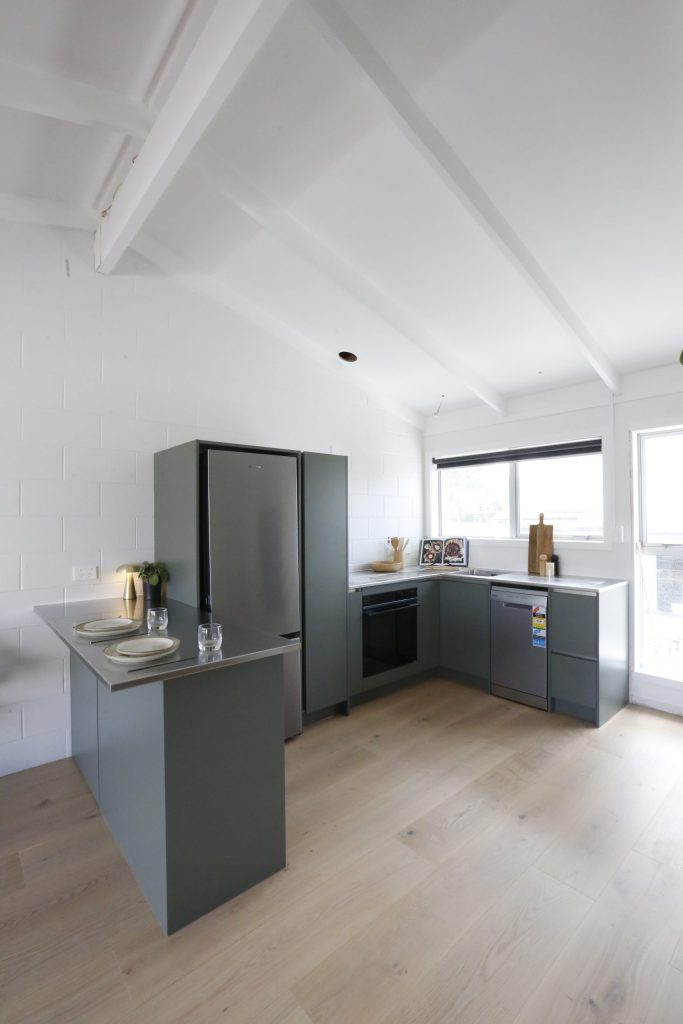
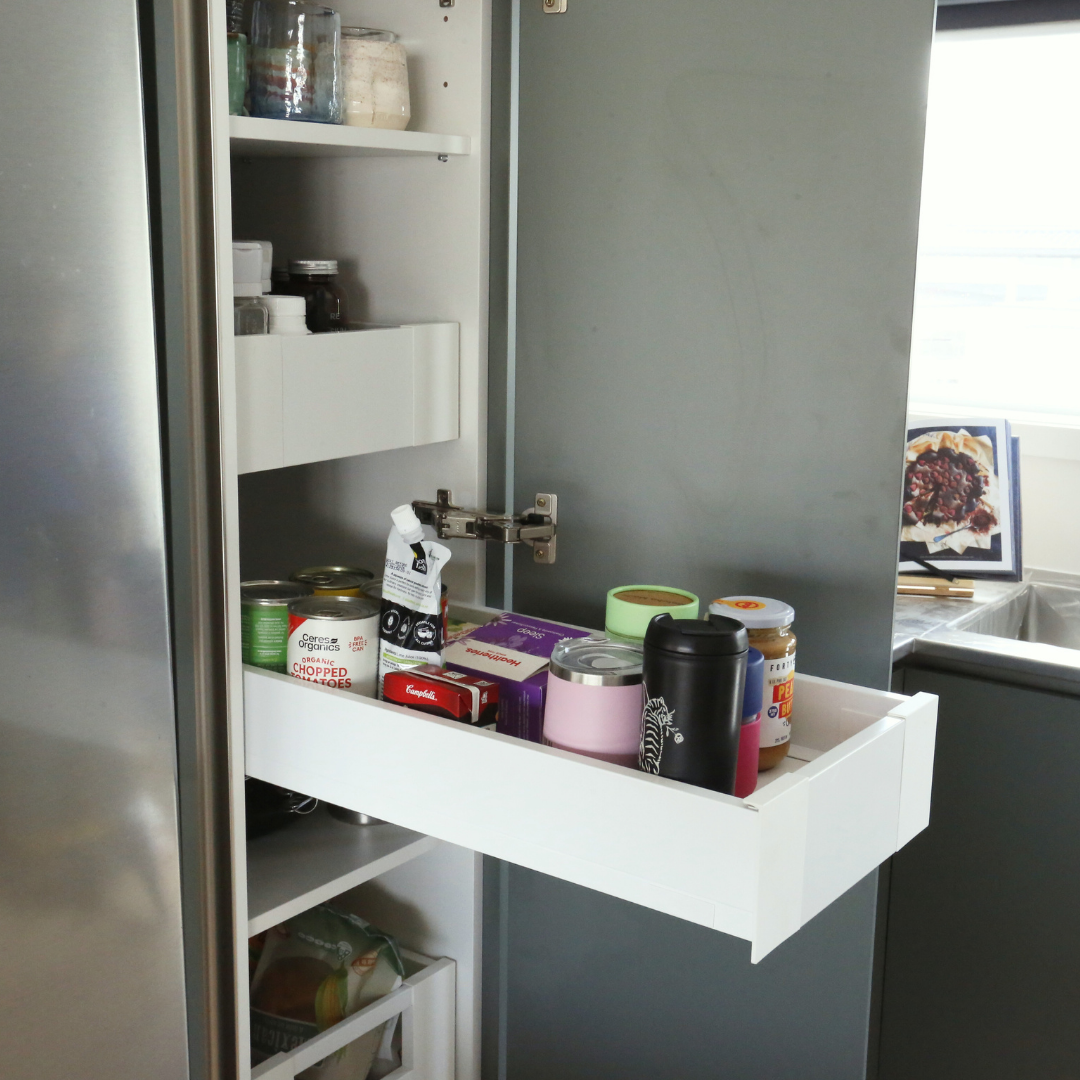
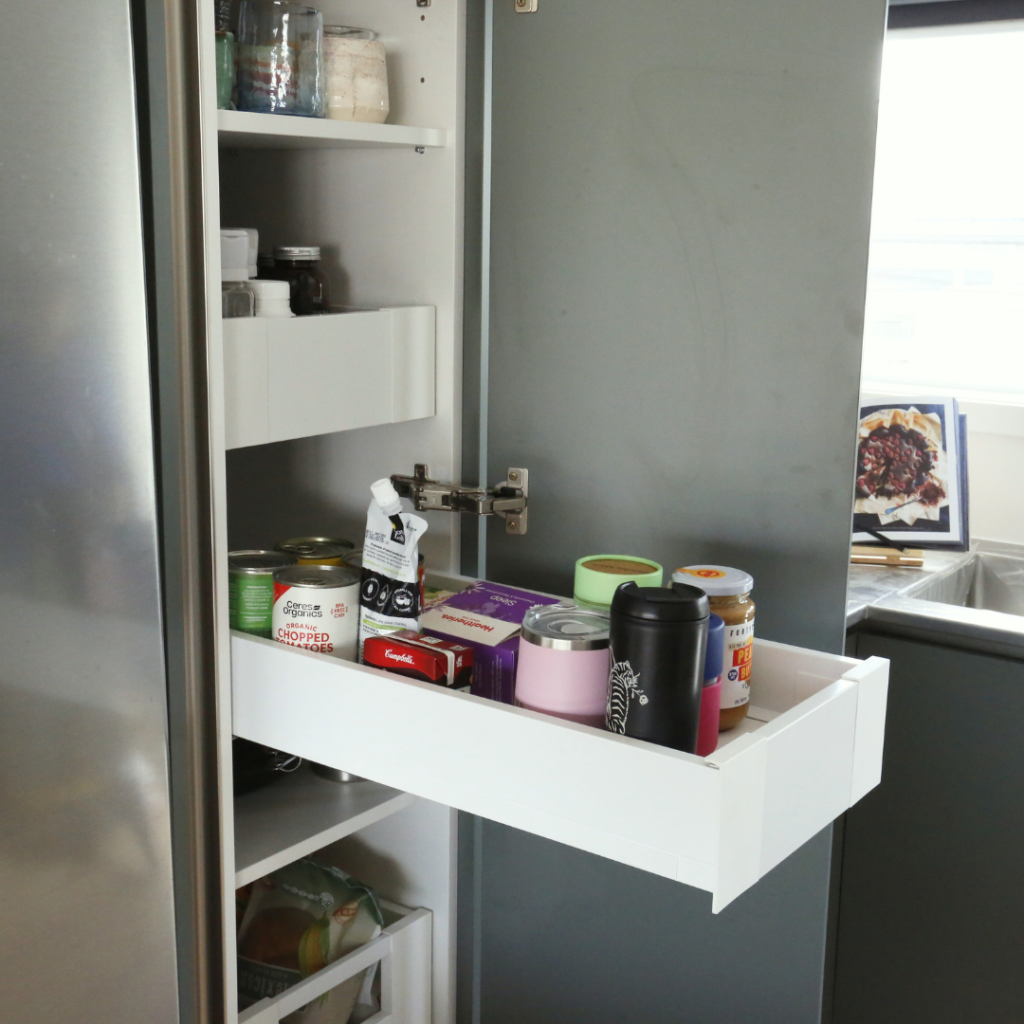
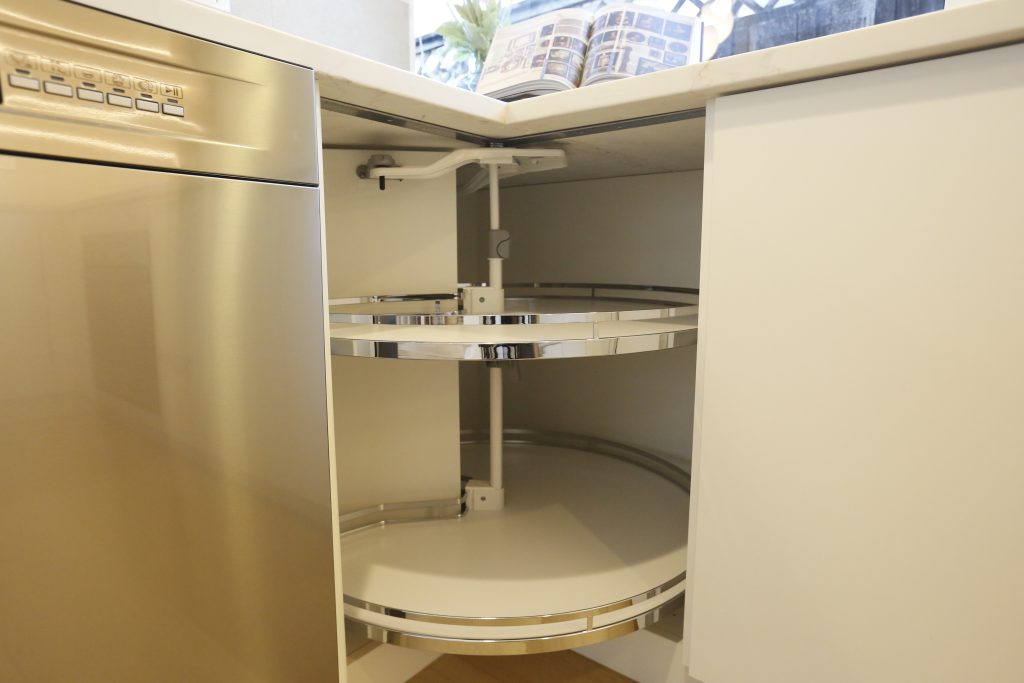
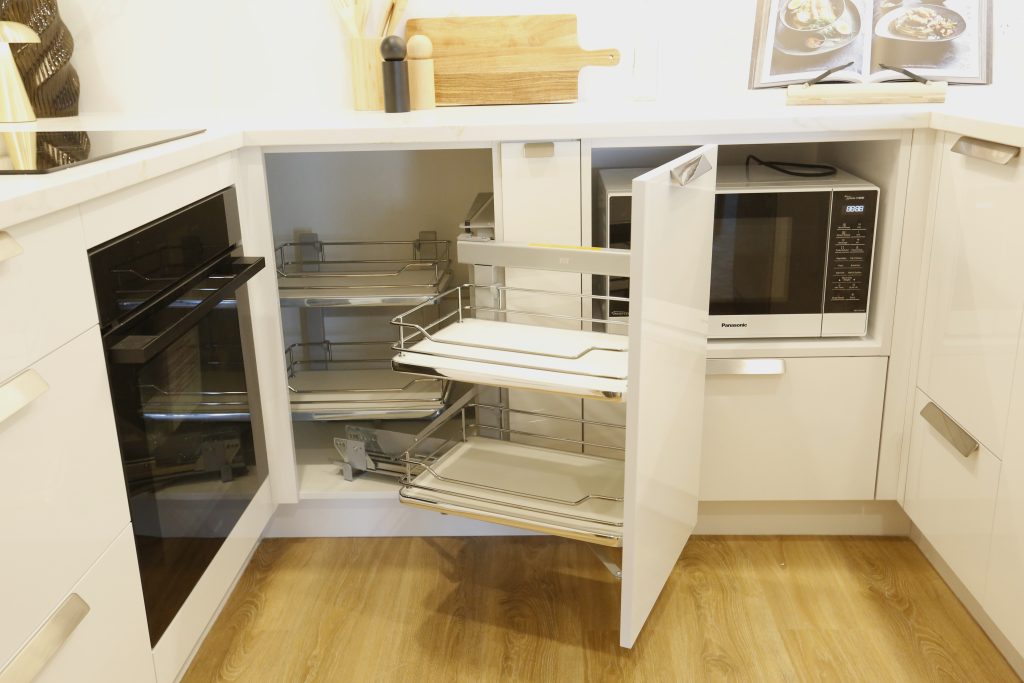
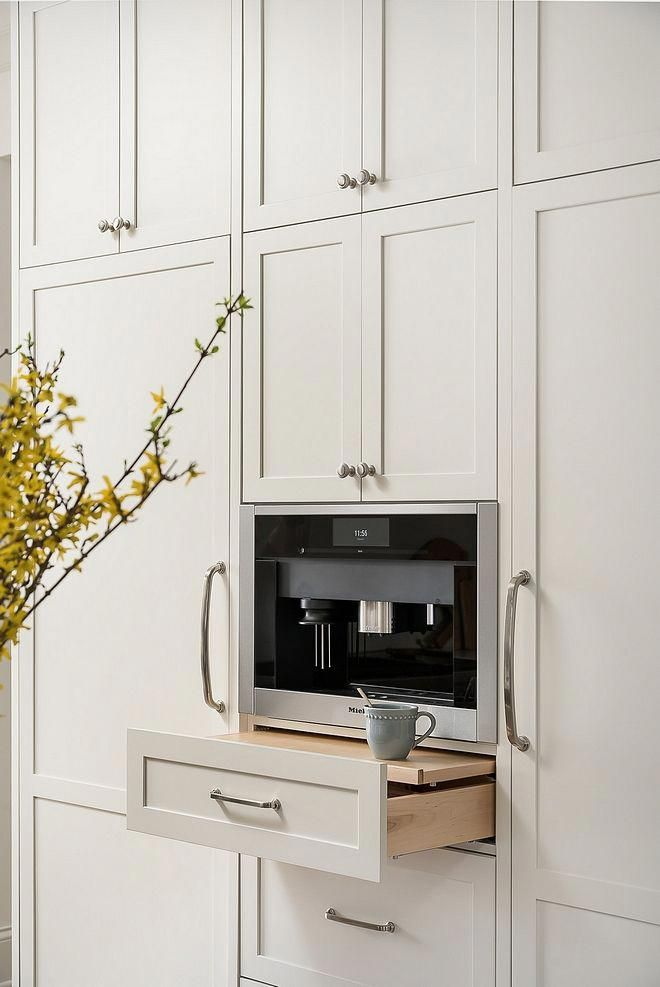
    Complete your kitchen with finishing touches. Among kitchen hardware, handles are the most visually prominent. They can be subtle, eye-catching, or anything in between – even budget handles offer premium aesthetics nowadays. Tactilely, soft-close mechanism can make cabinet operation feel premium, and in-cabinet storage solutions provide practical packing – their value is seen through daily use.

    Appliances

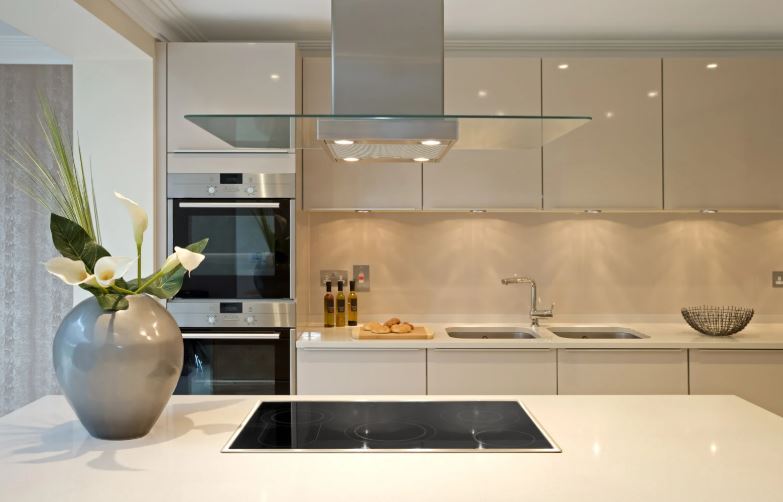
    Pick mid-range appliances from known brands. Don’t be upsold on rarely-used features offered by their flagship range. Realistically, their mid-tier offerings have a more than ample feature set for day-to-day use.

    Luxury doesn’t have to be replicated through cost alone. Through careful selection and thoughtful planning, you can achieve the look of kitchens many times your budget while still having incredible performance.

  • Benchtop Maintenance Guide: How to Care for Every Material

    Benchtop Maintenance Guide: How to Care for Every Material

    As the crown jewel of your kitchen, the benchtop doubles as both your aesthetic and functional centre. Subject to daily use, your kitchen’s operation revolves around your benchtop, whether it’s for food prep, storage, or dining. You’ll want to maintain of your benchtop, and it all starts with choosing the right care routine for your material. In doing so, here is a detailed guide for 4 different benchtop materials:

    Natural Stone

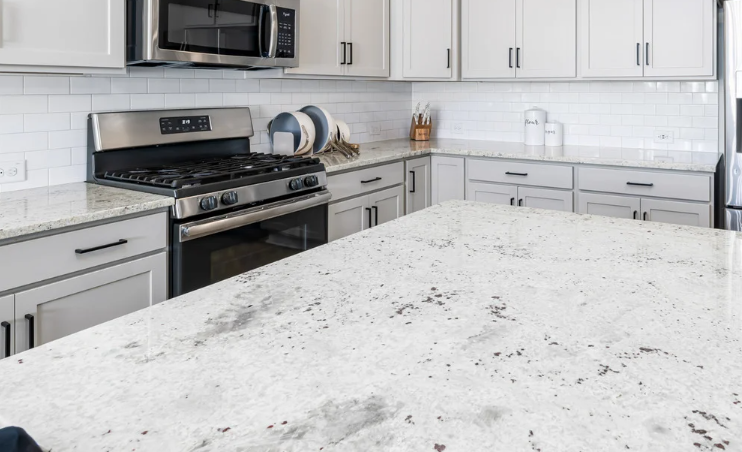
    An expensive, natural, and highly unique choice, genuine stone is chosen mainly for its one-of-a-kind patterns and premium aesthetics. While it may shine for looks and individuality, it is not an easy material to maintain. Natural stone’s porous nature means that without a seal, it can trap moisture and bacteria. Liquids that seep in can also alter its appearance by causing stains.

    Kitchen island clad in Patagonia quartzite

    The most important aspect of maintaining natural stone’s sheen and integrity is to have it sealed regularly, typically once every 2 years for granite, and more often for lighter-toned materials (as they are typically more porous). This can be prolonged by maintaining the seal itself during cleaning. Using gentle, pH-neutral cleaners will stop it from breaking down. You’ll know the seal needs replacing if a drop of water seeps in or if it darkens the stone. Due to its unique aesthetics, physical repairs may not preserve the original look. Deep scratches will be more noticeable on natural stone as well, so avoid harsh objects. It is, however, remarkably heat-resistant.

    Engineered Stone

    Durable, non-porous, and moderately priced, engineered stone is a popular choice for kitchen benchtops. Its maintenance requirements are lower than natural stone, being easier to clean and perfectly uniform thanks to its composition of crushed quartz and resins – the latter being why it’s non-porous.

    Taj Mahal quartzite round-edged kitchen benchtop with curved walnut kitchen cabinet face panels

    The resin binders fill the gaps and the slab is vacuum-compacted. It will be sufficient to clean the surface with mild soap and water. Spills can be wiped away without concern and scratches won’t compromise its integrity. While it’s highly durable, high levels of physical impact or heat can still damage the resin, so be sure to keep your hot pans away.
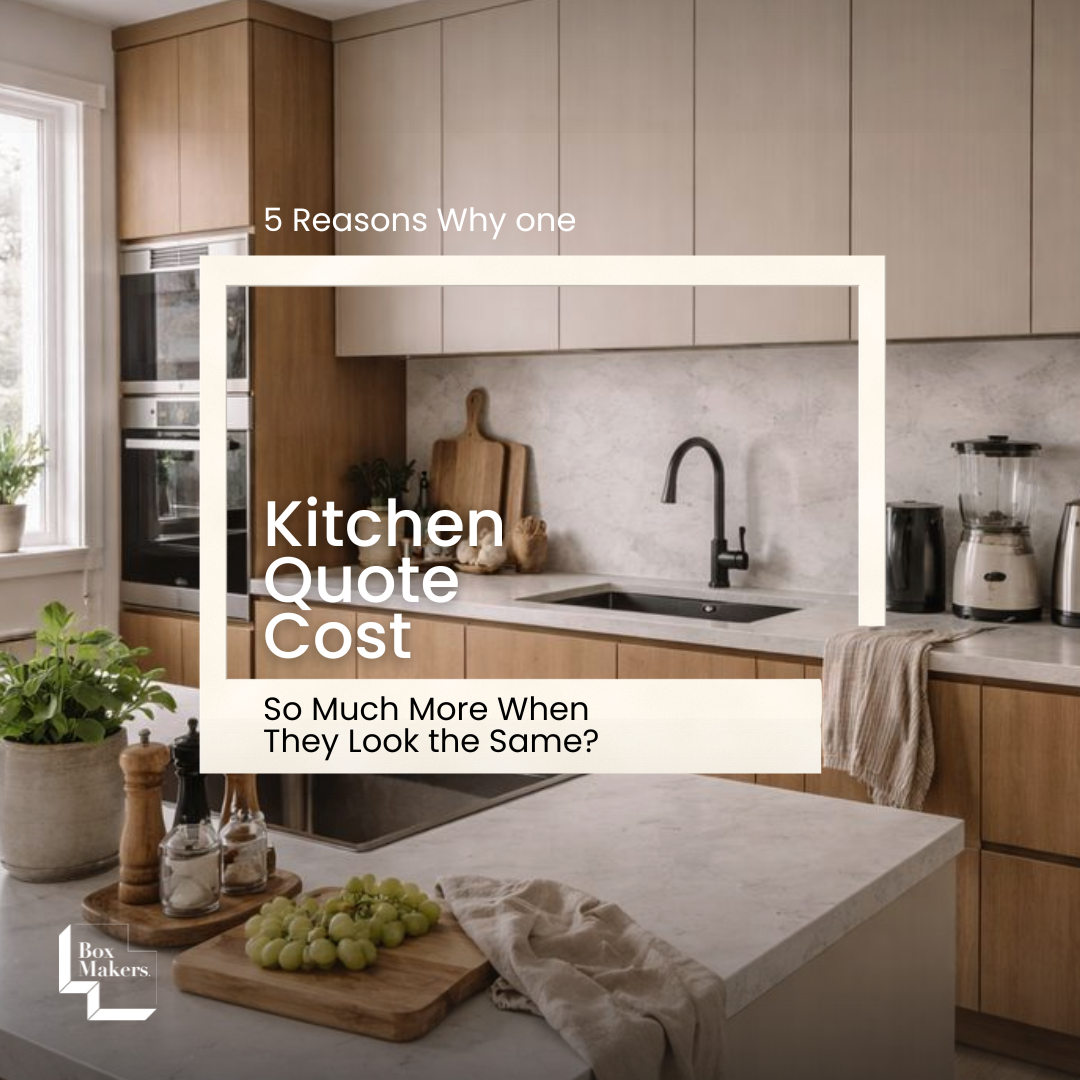
    Laminate

    Featuring even more aesthetic variety than engineered stone, laminate benchtops shine brightest for design diversity, affordability, and DIY-friendliness. Thicker offerings can mimic stone’s appearance at a much lower cost, though it certainly won’t mimic its physical properties. It’s key to know laminate’s composition: an engineered wood substrate with a surface layer of bonded resin, paper, and print. This makes it vulnerable to heat and sharp objects, so avoid placing those directly on the counter.

    Stone-look and silica-free laminate benchtop

    While laminate typically performs well against water, keeping it wiped down and dry can prevent rare cases of moisture-ingress, which can cause the material to swell or warp if there is an opening. Abrasive cleaning tools or agents can also damage the surface.

    Timber

    Timber benchtops are typically made of solid wood strips that have been bonded together and sealed. The core material is usually a hardwood and they’re known for their natural, warm appearances.

    Similar to natural stone, its aesthetics depend on what is naturally available, and therefore is more limited. Another shared trait is their inherent porous nature, meaning regular sealing is required for continued use. To maintain it, apply an oil finish every 12 months and avoid harsh cleaners or chemicals. Instead, use soft cloths and warm water to clean it. Due to its similarities with laminate benchtops, they are not particularly heat or scratch resistant.

    Dark oak real timber kitchen benchtop

    Each benchtop material has its strengths and weaknesses. As shown by natural stone (particularly marble), pricier doesn’t always mean more durable. Universally, all benchtops can benefit from gentle cleaning with warm water. Depending on the material, regular sealing can be a welcome protectional supplement or an essential layer for integrity preservation.


    Sources:

    https://archant.co.nz/blog/articles/engineered-stone-vs-natural-stone-benchtops-comparison-guide.html#:~:text=With%20engineered%20stone%2C%20you%20have,offers%20heat%20resistance%20as%20well.

    https://www.bunnings.co.nz/diy-advice/home-improvement/splashbacks-benchtops/a-guide-to-kitchen-benchtop-materials?srsltid=AfmBOorx3RpAIomjT9WXQ4FExAtOYoj6i-M9KeCNMqKxOhouX3EQ4vZP

    https://linkmix.co/46300284

  • Realistic Timeline for an Auckland Kitchen Renovation

    Realistic Timeline for an Auckland Kitchen Renovation

    Renovating your kitchen is an exciting journey that can breathe new life into your home. Depending on your scale and ambition, the process as a whole can get quite lengthy. Here’s a quick guide to get you up to speed on what you can expect out of your kitchen renovation’s timeline.

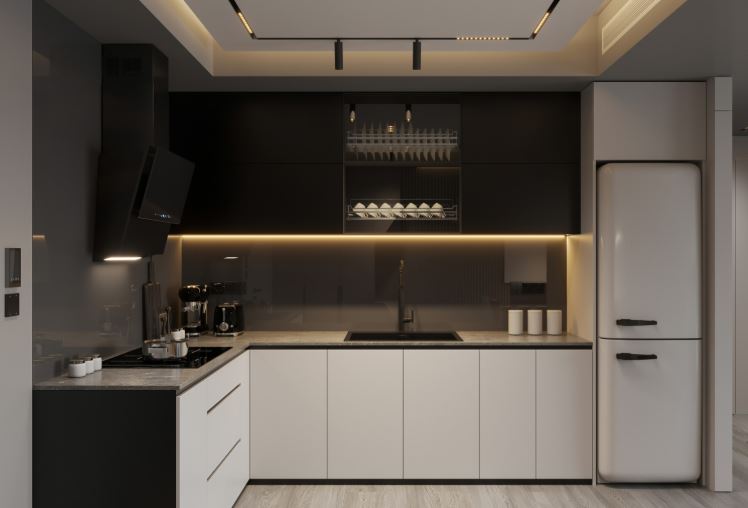
    Design & Consultation

    When you first begin, you’ll likely be looking for a trusted designer who can deliver everything you want out of your new kitchen. Visiting different designers and weighing their catalogues, selections, and quotes can be a great way of finding a good fit, but being reliable, experienced, and trustworthy is important too. When you’ve chosen your designer, working with them to determine the scale of work, kitchen design, layout, and more can last a few weeks but largely depends on the rate of communication between you and the designer. You can expect site visits and measurements during this phase.

    Material Selection & Ordering

    Here you’ll be finalising the materials used for your kitchen, including everything from the benchtop and cabinetry to fixed appliances such as the oven, cooktop, and rangehood. Once they’re locked in, the designer will order them. The ordering itself typically only takes 2 weeks, but finalising materials has the potential to drag out a renovation job. Constant communication and settling topics quickly can speed up the timeline. During this phase, you can spend the time getting your home ready for the kitchen work, such as setting up a temporary kitchen, protecting the floors, and making room for the tradespeople to move.

    Demolition

    When all is decided and the major components are ready, demolition can begin. This is when the old kitchen is removed, along with any other parts, such as flooring, walls, or columns. The used kitchen parts are typically dismantled and recycled, but good condition parts can be sold or repurposed for another room. Demolition usually only lasts a week, but could be longer if more than just your kitchen needs to be removed.

    Fabrication

    For designers that provide custom cabinetry (such as ourselves), they take time to manufacture your tailor-made cabinets in-house. This typically takes place after the design and renovation is locked in, and can take place concurrently with on-site efforts such as demolition and preparation. Fabrication involves taking the chosen cabinet materials and custom cutting them to match your home’s dimensions, leading to a much better fit compared to flat-pack or premade cabinets. This includes personalised accommodations for appliances and in-cabinet storage solutions. Fabrication typically lasts around 3 – 4 weeks.

    Site Prep & Rough-in

    This is when the old kitchen has been removed, and the tradespeople are preparing the room for the new kitchen. The process typically involves readying the electrical and plumbing systems with new wires and pipes. This phase can be long or short depending on the scale of your project. Notably, if your kitchen layout is planned to change, then the service connections will need rerouting, which requires more time. Complex renovations may require more than a month.

    Installation

    When the site is prepared and ready for your new kitchen, putting the parts together is the final phase of your renovation. This includes installing the cabinetry, benchtop, flooring, and hardware such as hinges, handles, and drawer systems. After, the splashback and fixed appliances are installed, with everything properly connected to your home’s services. Finally, the finishing touches are applied, followed by the final inspection and clean-up. Installation typically lasts 2 weeks.


    Design & Consultation: Weeks to months depending on communication.

    Material Selection & Ordering: 2 weeks, longer if more deliberation required.

    Demolition: 1 week.

    Fabrication: 3 – 4 weeks.

    Site Prep: Highly varies depending on the layout and the scope of the project

    Installation: 2 weeks.


    Overall, you can expect your kitchen to be out of commission for around 1 – 2 months, while the whole process may last several months depending on how much consultation is required and how complex the project is. While the process itself can be quite involved, it is a highly rewarding experience and an opportunity to make your kitchen truly yours.


    👉 Get in touch with us today to book your first free consultation.